
Last updated November 22, 2026
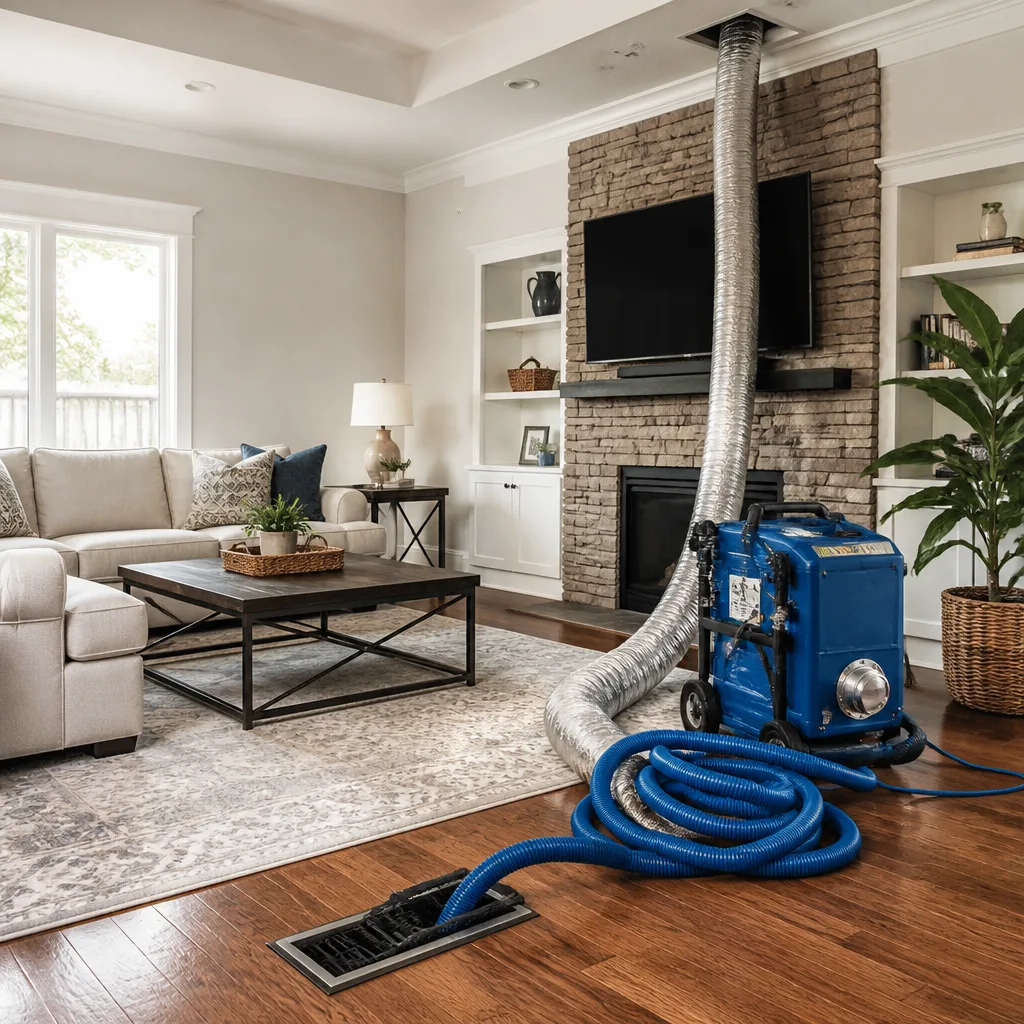 Whole-home duct cleaning
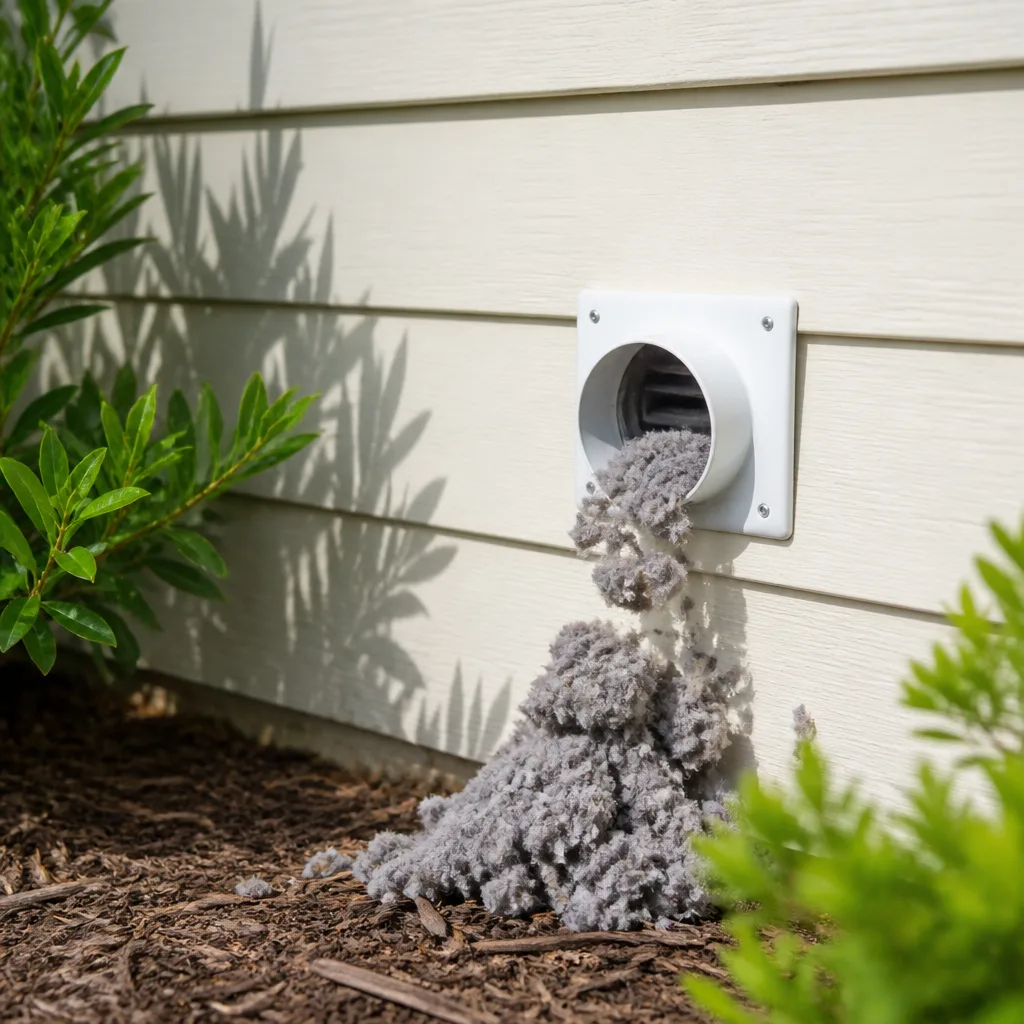 Dryer vent cleaning
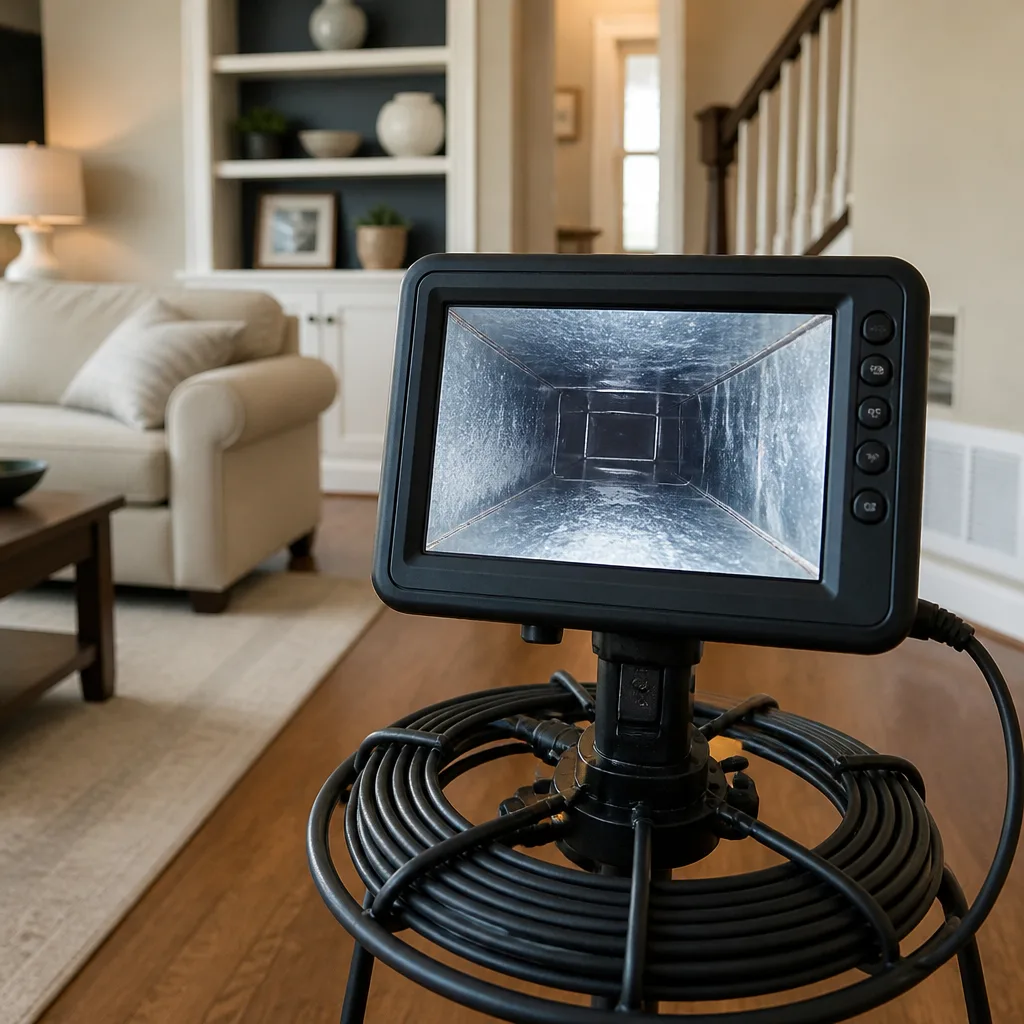 Camera inspection
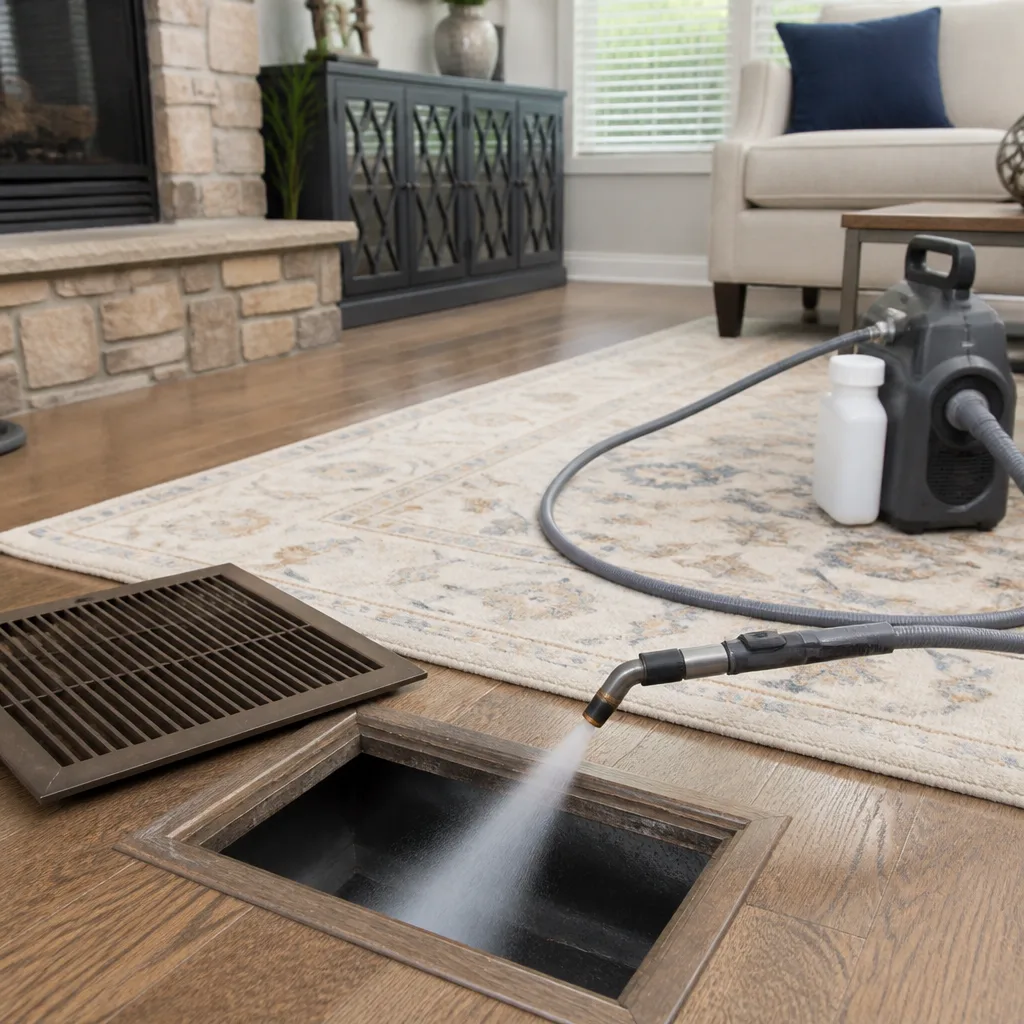 Sanitizing & deodorizing
Whole-system duct and dryer vent check with before-and-after photos - you see exactly what came out of your vents
That "$99 whole-house special" is a bait ad - the real number appears once they are in your hallway, or the "clean" is a shop-vac at the register. We photograph the inside of your ducts before and after instead.
Air Duct Cleaning Emergency Preparedness Guide for Hell’s Kitchen Homes
When a kitchen fire in a 12-story Hell’s Kitchen building gets extinguished in 20 minutes, the visible damage is often confined to one unit. The smoke and combustion particulate that entered the shared duct system is a building-wide problem, though, and it doesn’t show up until every HVAC unit in the building redistributes it, sometimes days later. The same is true of construction dust rolling in from a street-level project and of mold discovered behind a wall during a renovation. Most building owners and residents have no plan for any of it. This guide lays out the three scenarios that actually happen in Hell’s Kitchen, what to do in the first hours, who’s responsible for which ductwork, and how to tell a scheduled appointment from a genuine emergency call.
Quick Answer
Duct-system emergencies in Hell’s Kitchen come in three forms: post-fire smoke contamination in shared buildings, construction dust infiltration, and mold discovery during renovation. In the first 24 hours, contain the affected area, document conditions with photos, and get professional eyes on the ductwork before running the HVAC system, because a running system spreads contaminants through every connected unit. Immediate response is warranted when smoke residue or mold is confirmed inside the duct run; a scheduled appointment works for visible dust on supply registers alone.
Styles & brands we work with
- Whole-home duct cleaning
- Dryer vent cleaning
- Camera inspection
- Sanitizing & deodorizing
Table of Contents
- Post-Fire Smoke Contamination in Shared Hell’s Kitchen Buildings
- Construction Dust Infiltration Events
- Mold Discovery in or Near Ductwork: The First 24 Hours
- The Decision Tree: Immediate Response or Scheduled Service?
- What Legitimate Emergency Remediation Looks Like
- Shared vs. Unit Ductwork: Who’s Responsible for What
- Building a Duct Emergency Plan Before You Need It
- Common Mistakes to Avoid
Post-Fire Smoke Contamination in Shared Hell’s Kitchen Buildings
In a multi-unit Hell’s Kitchen building, fire smoke doesn’t stay in the unit where the fire started. Combustion particulate travels through return-air pathways, riser shafts, and any shared duct sections, then settles on duct linings, coil faces, and interior surfaces. Run the HVAC for a couple of days and that settled residue gets lofted back into the airstream, redistributed to units that never had a fire in them. This is the single most common version of the problem we’re asked about.
The correct sequence after a contained fire, before the system is put back into normal operation:
- Do not run the HVAC fan. Withdrawal of heat does not mean the smoke is gone. Circulating air turns settled particulate into airborne contamination across the whole building.
- Document the event, case number, and affected units in writing. Photos of visible smoke staining, register interiors, and any affected duct openings.
- Have the duct system assessed before cleaning starts. A trained technician inspects representative supply and return runs, plenum surfaces, and coil faces to determine scope. A visual assessment from the register alone doesn’t tell you what’s inside the duct.
- Clean the affected runs with source-containment equipment. Negative-air containment and HEPA filtration at the vacuum source prevents the cleaning from redistributing the problem. Rotary agitation inside the duct, such as the Rotobrush platform, lifts residue from the lining where a shop vacuum can’t reach.
- Deodorize and sanitize. After cleaning, a Guardsman-grade sanitizing treatment addresses the smoke odor that clings to duct lining even after the visible residue is gone.
- Replace filters and restart under observation. Fresh filters in every affected unit, and a first run monitored for residual odor.
That sequence matters because in our experience, the homeowner who runs the system first and calls a cleaner second has already spread the problem through the building. The cleaner cannot un-spread it.
Construction Dust Infiltration Events
Hell’s Kitchen is a dense, vertical neighborhood with near-constant construction. Scaffolding on one block, a residential gut renovation on the next, a street-level utility project that kicks up fine concrete dust for weeks. When that particulate gets pulled into a building’s HVAC intake or finds its way through window gaskets and rooftop penetrations, it settles inside the duct system and stays there. Running the system afterward recirculates it into every room the supply serves.
The response has two distinct tracks: getting the dust out, and documenting the event so whoever is responsible – the construction project, the building, a landlord, or an insurer – can be told what happened.
Documentation Process
- Photograph the registers and any visible dust accumulation on supply diffusers, return grilles, and window sills in the affected rooms. Time-stamp the photos if your phone does it automatically.
- Note the construction timeline and address so the documentation lines up with the event, not a vague “sometime this month.”
- Record any HVAC filter condition before and after replacement. A filter that clogged in a week is evidence the particulate entered the system.
- Have the duct cleaning company provide a written scope and findings report. For a landlord claim or insurance file, a written record of what was found inside the duct system and what was cleaned carries far more weight than a receipt. Ask for it upfront.
- Keep the report with the building’s maintenance records, not just in a tenant’s possession. In a Hell’s Kitchen multi-unit building, the responsible party is often not the person who noticed the dust.
The professional response itself starts with cleaning the affected runs under containment so the dust doesn’t travel further, followed by filter replacement and, where the accumulation has been heavy, a sanitizing treatment. If a building intakes from a rooftop near a construction site with no filtration stage, that’s the conversation to have with the building manager before the next project begins. A Honeywell or Aprilaire filtration stage on the intake side changes the outcome.
Mold Discovery in or Near Ductwork: The First 24 Hours
Mold found in or around ductwork during a renovation is a specific kind of emergency: one where doing the wrong thing fast makes it worse. Running the HVAC to “dry out” the space can push mold spores through the duct run and into every room it serves. Tearing out ductwork without understanding the moisture source spreads contamination into the renovation zone. Neither belongs in the first 24 hours.
What to do in the first 24 hours
- Stop running the HVAC system. This is the most important step and the one people most often skip.
- Identify and address the moisture source. Point it out to whoever controls it – a leaking pipe, a window that’s been improperly sealed, a bathroom exhaust not venting outside. A duct cleaning company that shows up to mold in a duct system without a moisture source identified is treating a symptom, not a cause.
- Contain the affected area. Poly sheeting over the opening of any discovered duct or register keeps spores from migrating into the rest of the renovation. Keep the renovation zone closed off from living space.
- Don’t attempt to scrub or spray the duct lining or insulation yourself. Consumer mold sprays and hand scrubbing can dislodge spores without capturing them, moving the problem deeper into the duct system.
- Do not attempt to clean porous duct components yourself. Duct board and duct lining that’s been wet and colonized by mold typically cannot be cleaned in place, and removal has to be done under containment.
- Call a professional for a written assessment before any cleaning starts. The assessment should identify where the mold is, how far it travels, and whether the duct lining or just a surface is affected.
Professional response typically uses Abatement Technologies containment and negative-air equipment to pull contaminated air away from the working space, then HEPA filtration at the vacuum source rather than positive-pressure blowing. Cleaning comes first; the sanitizing treatment – Guardsman-grade products, applied correctly – follows. Duct repair and sealing often complete the job, because the moisture source usually implies a compromised run of duct somewhere.
If the discovery is a few small spots on a single supply register and the moisture source has been addressed, a scheduled appointment for a full inspection is often adequate. If mold is seen inside the duct run or on the duct lining, and the HVAC system has been running since the discovery, treat it as an immediate response.
The Decision Tree: Immediate Response or Scheduled Service?
The single most useful piece of emergency preparedness is a way to tell whether you’re dealing with an immediate call or a scheduled appointment. The difference matters to you and to the response you get. Here’s the criteria we use.
Requires an immediate call – same-day
- Post-fire smoke residue inside a shared duct run. Combustion particulate in a shared system has already or will shortly redistribute across the building. The clock is running.
- Mold confirmed inside ductwork or on duct lining, especially if the HVAC system has been running since the discovery.
- Odor that persists after an event – chemical, smoke, or a persistent musty smell from registers – that wasn’t present before.
- Visible particulate at multiple supply registers in the building or home, after construction activity nearby, with no other explanation.
- Any duct opening that has flooded or been actively wet from a burst pipe, roof leak, or plumbing failure.
Can be scheduled – not urgent
- Visible dust accumulation on register covers alone, with no recent event or construction nearby. That’s routine maintenance territory.
- Odor that improves after replacing the filter. Replace it, and monitor for a week.
- Aging system with no acute symptoms. A scheduled inspection or cleaning is appropriate. This is what a maintenance visit is for.
- Dryer vent lint buildup noticed during a renovation. Scheduled, but don’t defer it far. An annual dryer vent cleaning keeps lint load down and reduces fire risk; it’s not a same-day emergency unless the dryer itself is running hot or the vent is blocked.
When a situation lands between immediate and scheduled, call and describe what you’ve seen. We answer 24/7. A call outside dispatch hours is booked into the next opening, Sunday through Friday, 7am to 7pm. Fast dispatch from 7am to 7pm on scheduled days. The one thing never to do is run the HVAC to “see if it clears up.” That moves contaminated air through the building.
What Legitimate Emergency Remediation Looks Like
A professional duct-cleaning response to an emergency event is different from routine cleaning, and the equipment tells you what you’re dealing with. Residents should know what legitimate response looks like so they can recognize it – and recognize a consumer-grade shop vacuum brought to a containment job.
What to expect:
- Containment sheeting and negative-air pressure at the workspace. The working area is sealed and the air inside is pulled under negative pressure so it can’t escape into the rest of the home or building. Abatement Technologies equipment is used for this specific purpose – it’s the same class of equipment used on commercial and remediation jobs.
- HEPA filtration at the vacuum source. The Nikro negative-air vacuum platform pulls contaminated air through HEPA filtration so the dust and spores it picks up are captured, not exhausted back into the room.
- Rotary-brush agitation inside the duct run. The Rotobrush system reaches duct lining and plenum surfaces that vacuum alone doesn’t lift residue from. This is the step that makes a post-fire cleaning hold.
- Sanitizing treatment applied after cleaning, not instead of it. Guardsman-grade sanitizing products address the residual allergens, mold spores, and microbial contamination on surfaces that cleaning alone can’t reach. Applied to a dirty duct, they do very little. Applied to a cleaned duct, they matter.
- Written scope, findings, and photo documentation. Cleaning photos, before and after, and a written record of what was found and what was cleaned. Ask for it. Legitimate response provides it.
What it should not look like: a shop vacuum with a wand, no containment, one technician with no negative-air equipment, and a bill presented verbally. If the response feels lighter than a routine cleaning, it’s not a genuine emergency response.
The right tool for every part of your duct system is the standard we hold. That includes the source-containment equipment – not just the cleaning heads.
Shared vs. Unit Ductwork: Who’s Responsible for What
In a Hell’s Kitchen multi-unit building, the responsibility split between the building and the individual unit owner is where most emergency duct situations get stuck. Nobody is certain who’s on the hook, so nobody acts.
The general split, and one to verify against your own building’s governing documents, is this:
- The building is generally responsible for shared ductwork – risers, common-area supply and return runs, rooftop or basement mechanical equipment, and any duct section serving more than one unit.
- The unit owner is generally responsible for ductwork within their own walls – the runs from the branch-off point inside the unit through to the registers within the apartment.
- A cooperative or condominium board’s bylaws and offering plan define the exact boundary. It’s worth knowing where yours is defined before a fire, a construction event, or a mold discovery puts you in a scramble.
- For a rental, the landlord is generally responsible for the building’s ductwork, and for the unit’s ductwork where it’s part of the building system. Ask where the line is in writing.
For post-fire response specifically, an insurance claim is usually the building’s, with a subrogation process against the unit where the fire started. What the building needs from a duct cleaner is a written scope and findings report that matches the affected runs to the building’s own duct map. Ask for that document in hand before work starts; a cleaner who can’t provide it is a problem, because the recovery of the cost depends on it.
If the assessment concludes that ducts need repair after cleaning – which is common after a fire or a water event has compromised sections of ductwork – those repairs are also part of the scope. We don’t just clean and walk away. Duct repair and sealing complete the job.
Building a Duct Emergency Plan Before You Need It
Preparedness is a fairly quiet idea for ductwork. Most of the emergency response above goes better if a few things are in hand before an event happens. For a Hell’s Kitchen homeowner or building manager, the checklist looks like this:
- Know where your duct boundary is. Which runs are building-shared and which are inside your unit. Write it down. If you’re a renter, ask the landlord and save the answer.
- Keep a building duct map on file. The board, the super, and the manager should all have a copy. Every remediation project goes faster with it, and every insurance claim is more defensible with it.
- Note the equipment and brands on your air quality system. If you have a Honeywell filtration stage, an Aprilaire humidifier, or anything else inline in the system, write down the model so a specialist can plan the cleaning around it.
- Inspect supply registers monthly during any nearby construction. A few minutes of checking tells you whether infiltration is happening before you have to call for a full clean.
- Replace HVAC filters on a schedule and record the dates. A filter log is the single most useful pre-event record when you’re trying to establish a construction dust claim.
- Book dryer vent cleaning on a yearly basis if you’re not sure of last service. Lint buildup is a fire risk, and it’s not a task to leave to memory. A scheduled yearly clean addresses it.
- Know the immediate-response number and the difference between emergency and routine. That’s the decision tree above. Print it if the building has a common area; a single phone call that gets the right response is worth having on the wall.
The one item on that list most people skip is the duct map. When a fire contained to one unit does happen in a Hell’s Kitchen building, and the shared duct system is ready to carry particular matter into every other unit in the building, the response speed depends entirely on how well the building knows its own duct system before the fire, not after.
Common Mistakes to Avoid
- Running the HVAC system after a fire to “check that the smoke cleared.” It won’t clear – it redistributes. In a Hell’s Kitchen multi-unit building, this turns a single-unit problem into a building-wide one in under an hour.
- Waiting for visible staining before acting on construction dust. By the time the register is visibly loaded, the duct system is already carrying particulate into the air. Photograph the register and call before you see the stain.
- Trying to kill mold with a spray or a bucket of bleach. Mold spores are microscopic and cleanly fragment when disturbed. Untrained cleaning spreads more than it kills, and it does it right where the spores will flow.
- Assuming the cleaning company will document the event for you. Ask for a written scope and findings report before any cleaning. A renovation contractor, a landlord, or an insurer will not accept a verbal “yes, we saw smoke in the ducts.”
- Hiring a duct cleaner who has no source-containment equipment. A shop vacuum and a wand is a “quick job,” not emergency remediation. The equipment is the certification of whether the job is being done properly, not a page on a website.
- Booking dryer vent cleaning only when the dryer already feels hot. The dryer vent is a fire risk, not a convenience, and the equipment is a real safety tool in the Hell’s Kitchen building stock. A yearly appointment keeps the risk down.
- Not knowing your co-op or condo duct boundary until you need to file a claim. In a cooperative or condo building, the offering plan and bylaws hold the answer. Read it before the fire, not after.
See the difference
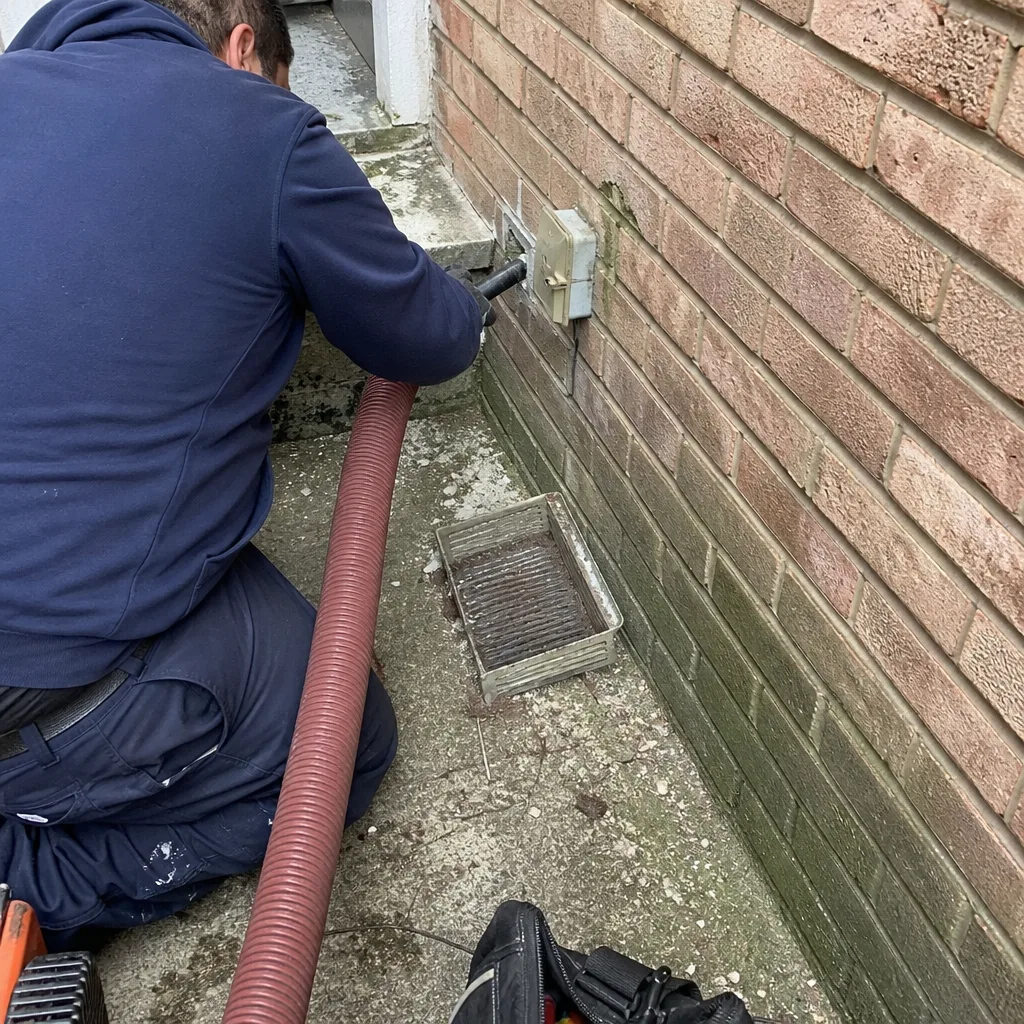 Before
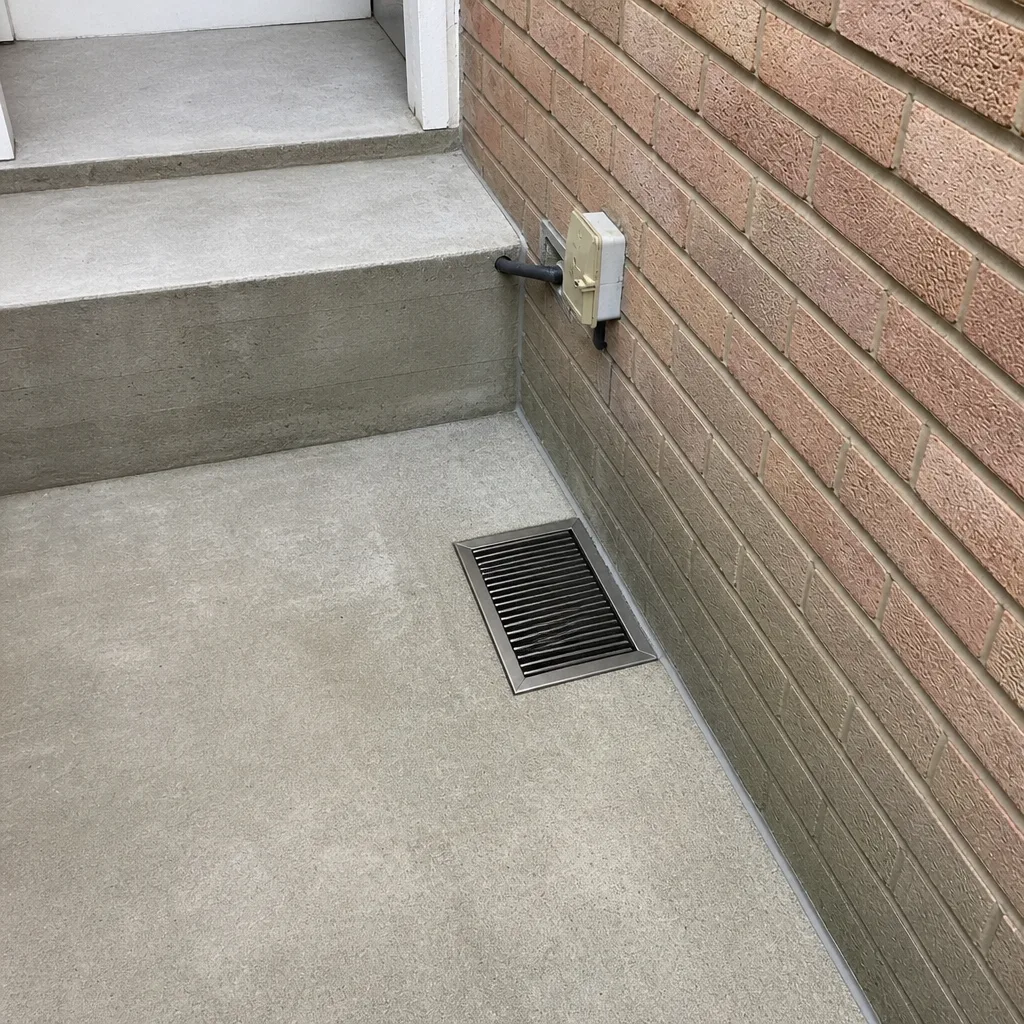 After
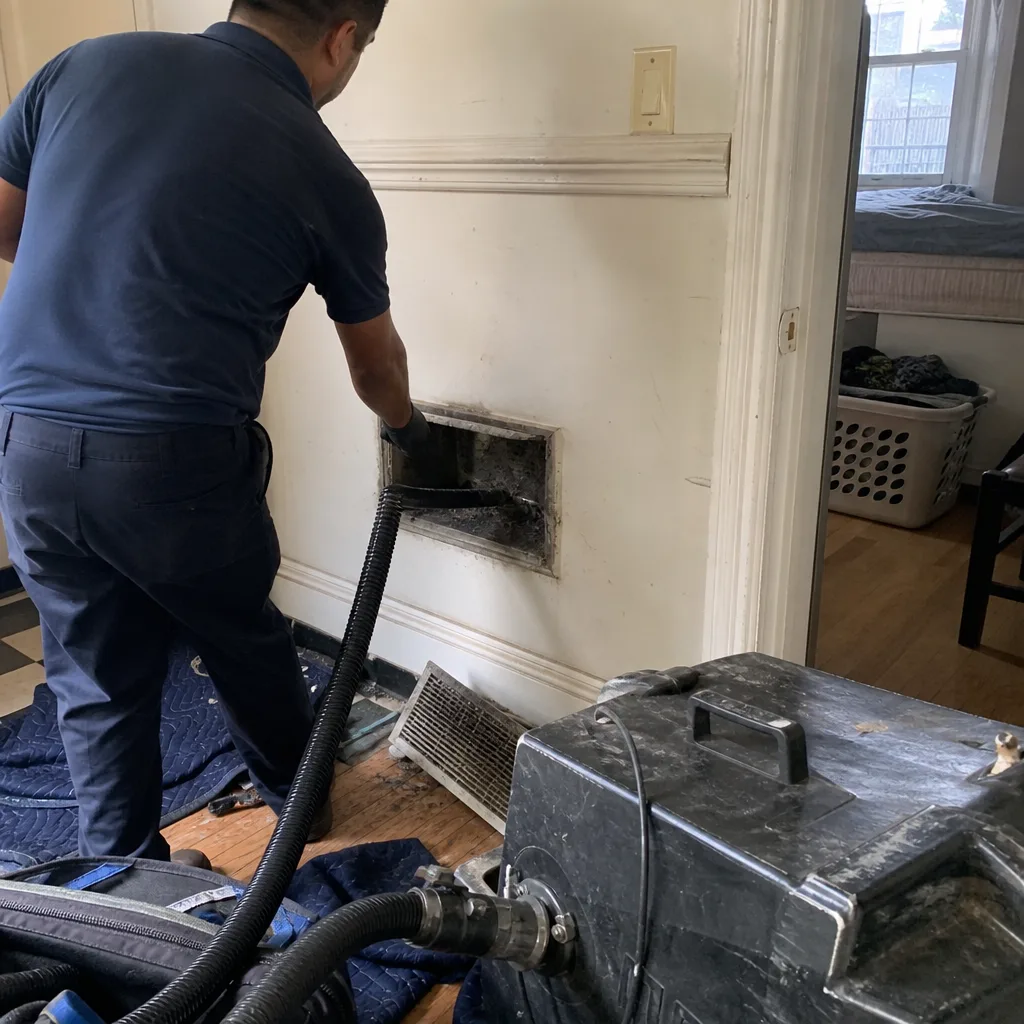 Before
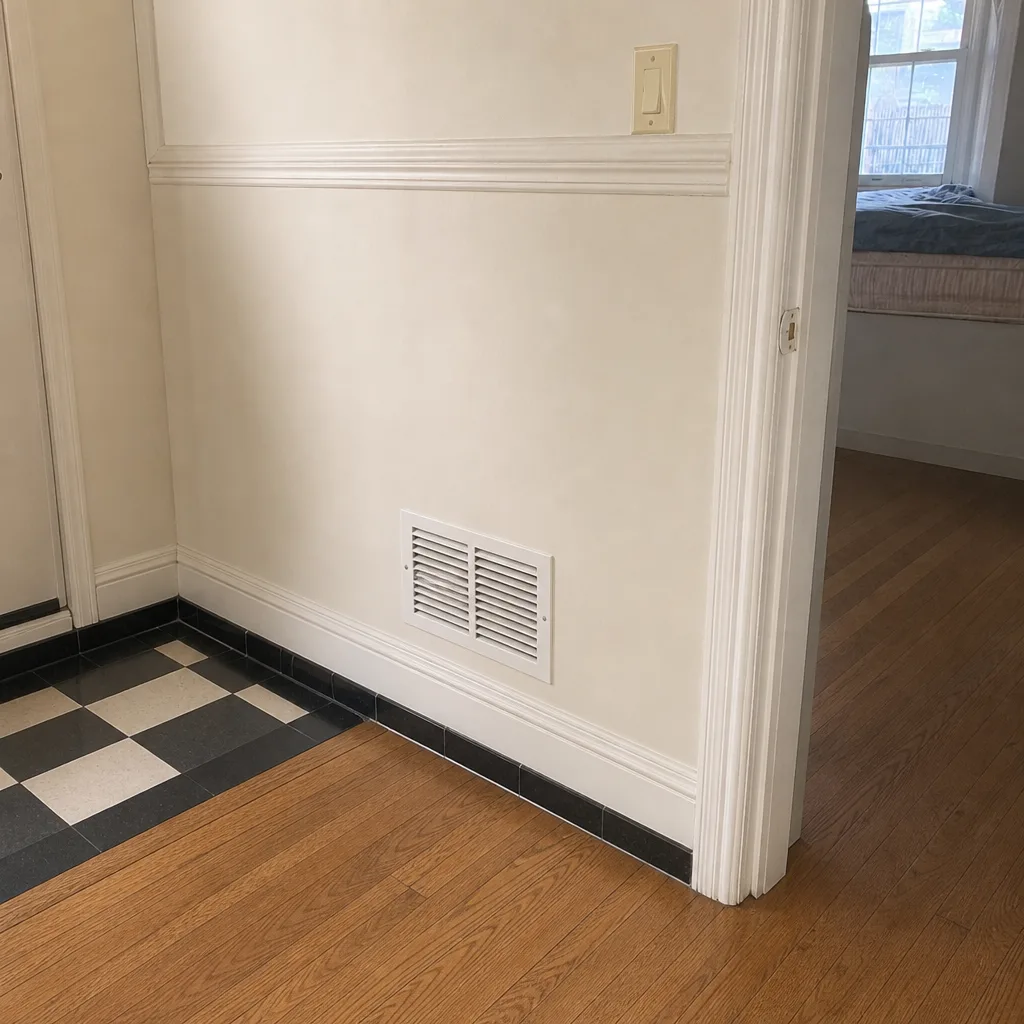 After
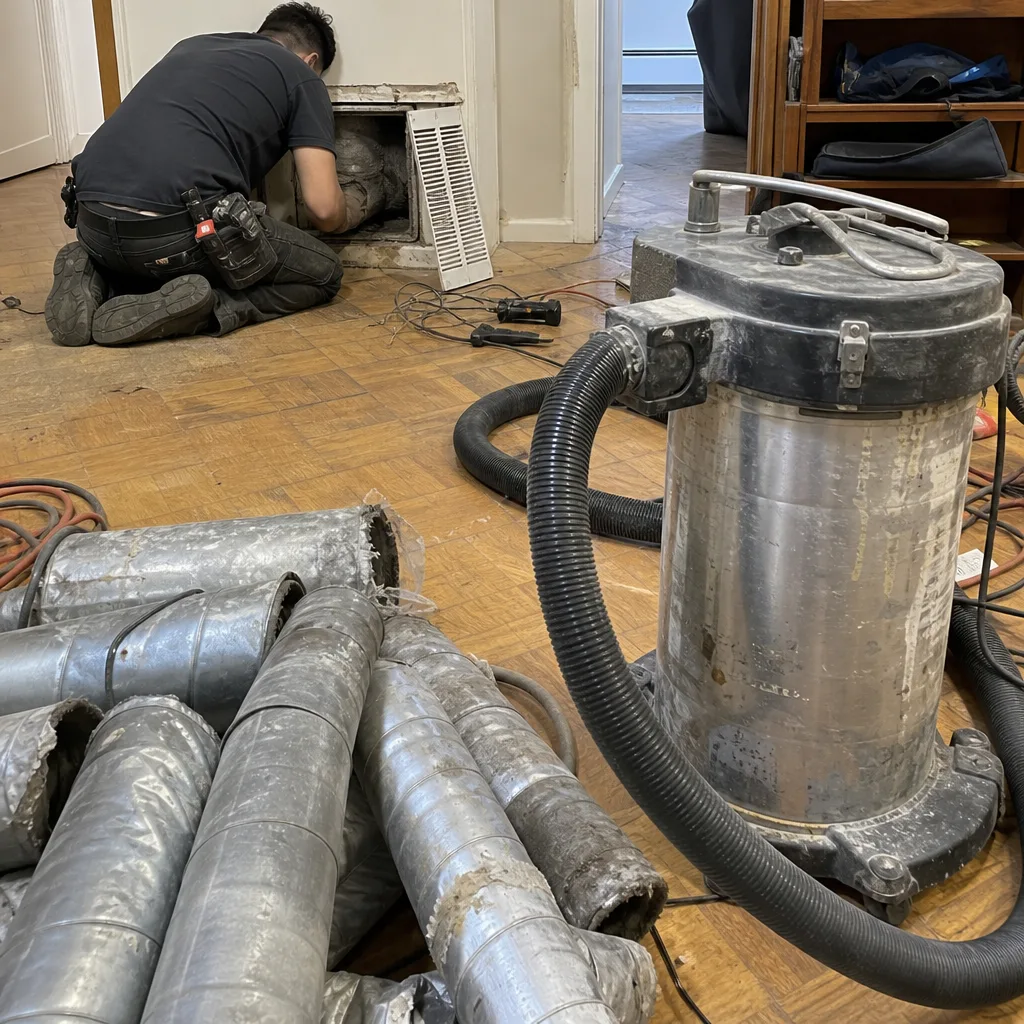 Before
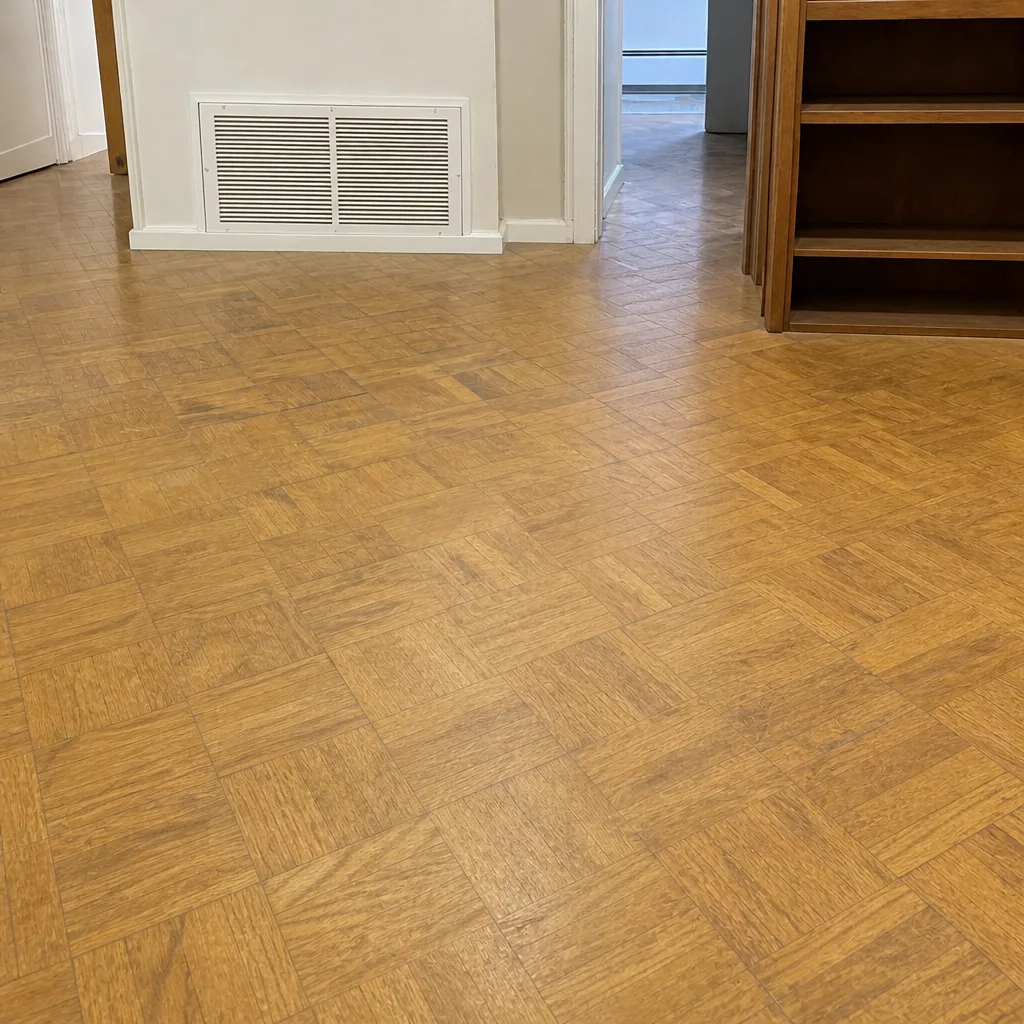 After
When to Call a Professional
Call when you’ve got smoke residue in a shared duct run, mold confirmed inside the ductwork, or persistent odor and visible particulate across multiple registers after a construction event. Those are the three points at which a scheduled appointment turns into an immediate response. Call when the duct opening itself has been wetted by a burst pipe or a plumbing failure; wet duct lining is a mold situation even if no mold is visible yet. For a burning odor from the vents or a dryer vent you suspect is blocked, call before using the appliance again. Air Duct Cleaning Hell’s Kitchen offers free estimates in Hell’s Kitchen. Call (833) 468-5937. We answer 24/7. Fast dispatch from 7am to 7pm, Sunday through Friday. The written estimate sets the price before work starts.
Frequently Asked Questions
A typical whole-home air duct cleaning in Hell’s Kitchen runs in a range that depends on how many supply and return runs the system serves, whether the building is one unit or several, and whether the job is routine or post-event. Post-fire and mold remediation require more equipment and more scope (containment, sanitizing, sometimes duct repair) and a written estimate is the right way to price either one. We don’t price per vent, and we don’t quote a teaser figure. The written estimate sets the price before work starts. Call (833) 468-5937 for a free estimate – the assessment and the price come from the same visit.
Because they’re quoting a different job. A quote that lands far below the professional range almost always reflects a shop-vac-and-wand visit with no source containment, no rotary agitation inside the ducts, no sanitizing treatment, and no written scope. On a post-fire or mold job, that difference is not cosmetic. Contaminants left in the lining, or blown into the room by a poorly filtered vacuum, make the situation worse than before the cleaning. The right answer is to compare the equipment and the written scope, not the headline number. Call (833) 468-5937 for an honest estimate with the scope spelled out.
Ask for before-and-after photos of your own ducts and a written findings report before and after the cleaning. On an insurance or landlord claim, ask for the same document. A legitimate duct cleaning company provides both. The professional equipment – the containment sheeting, the HEPA-negative-air unit, the rotary-brush system – is visible at the start of the job; ask to see it before work begins. Call (833) 468-5937 for a free estimate and a scope that tells you exactly what’s being done.
Routine cleaning is typically done on a multi-year cycle for a home with no event, no construction nearby, and no pets or allergy concerns. Post-event cleaning is not on a schedule; it’s done when the event happens. In Hell’s Kitchen, the construction schedule matters as much as the calendar, because the closer your building is to a recurring construction zone, the more often infiltrated dust has to be addressed. If you’re not sure of the last service, that itself is a reason to schedule an inspection. Call (833) 468-5937 for a free estimate.
Turn the HVAC system off, contain the affected area as best you can with sheeting over register openings, and document everything: photos, time stamps, and the fire event number if you have it. Do not run the system “to see if it clears up,” and do not use a consumer vacuum on any duct opening. Fast dispatch from 7am to 7pm in our window, but the steps above are the important ones in the first hour. Call (833) 468-5937. We answer 24/7, and the call books you into the next opening on the dispatch schedule.
Generally, yes. Shared ductwork – risers and common-area runs serving more than one unit – is the building’s responsibility under most co-op and condo governing documents, while ductwork wholly inside an apartment is the unit owner’s. Verify against your own offering plan or bylaws, because the exact boundary varies building to building. In Hell’s Kitchen, this is worth knowing before an event. If you’re the building manager, having a duct map and a written scope in hand turns the claim from a hassle into a routine process. Call (833) 468-5937 for a free estimate and a written findings report.
The Bottom Line
Emergency duct preparedness in Hell’s Kitchen comes down to three situations: post-fire smoke in a shared building, construction dust infiltration, and mold discovery during renovation. Each has a first-hour response that keeps the problem contained and a set of steps that make the eventual cleaning, documentation, and insurance claim possible. The single most important action in any of the three is the same – turn the HVAC system off before you do anything else. That one step buys the time for a professional assessment to be done right. When in doubt about whether a situation is an immediate call or a scheduled one, call. We answer 24/7. Fast dispatch from 7am to 7pm, Sunday through Friday, and the written estimate sets the price before any work starts.
Related Services and Reading
Post-event emergencies often involve more than duct cleaning alone. Air Duct Cleaning Hell’s Kitchen covers the full response. For the system-side scope after an event, see HVAC cleaning. For dryer-side fire safety, see dryer vent cleaning. Duct repair and sealing are scoped into the same written estimate when the assessment finds compromised duct runs.
For a free estimate, call (833) 468-5937. We answer 24/7. Fast dispatch from 7am to 7pm, Sunday through Friday. Our technicians have up to 14 years of experience, and every job is priced per system by the written estimate before work starts.
Written by the team at Air Duct Cleaning Hell’s Kitchen.
What happens when you call
- 1
A real person answersNo phone trees – you reach a local pro.
- 2
You get an upfront price rangeHonest numbers before anyone is dispatched.
- 3
A background-checked tech heads outLicensed & insured, dispatched right away.
- 4
You approve before work beginsNothing starts until you say go.