
Last updated November 22, 2026
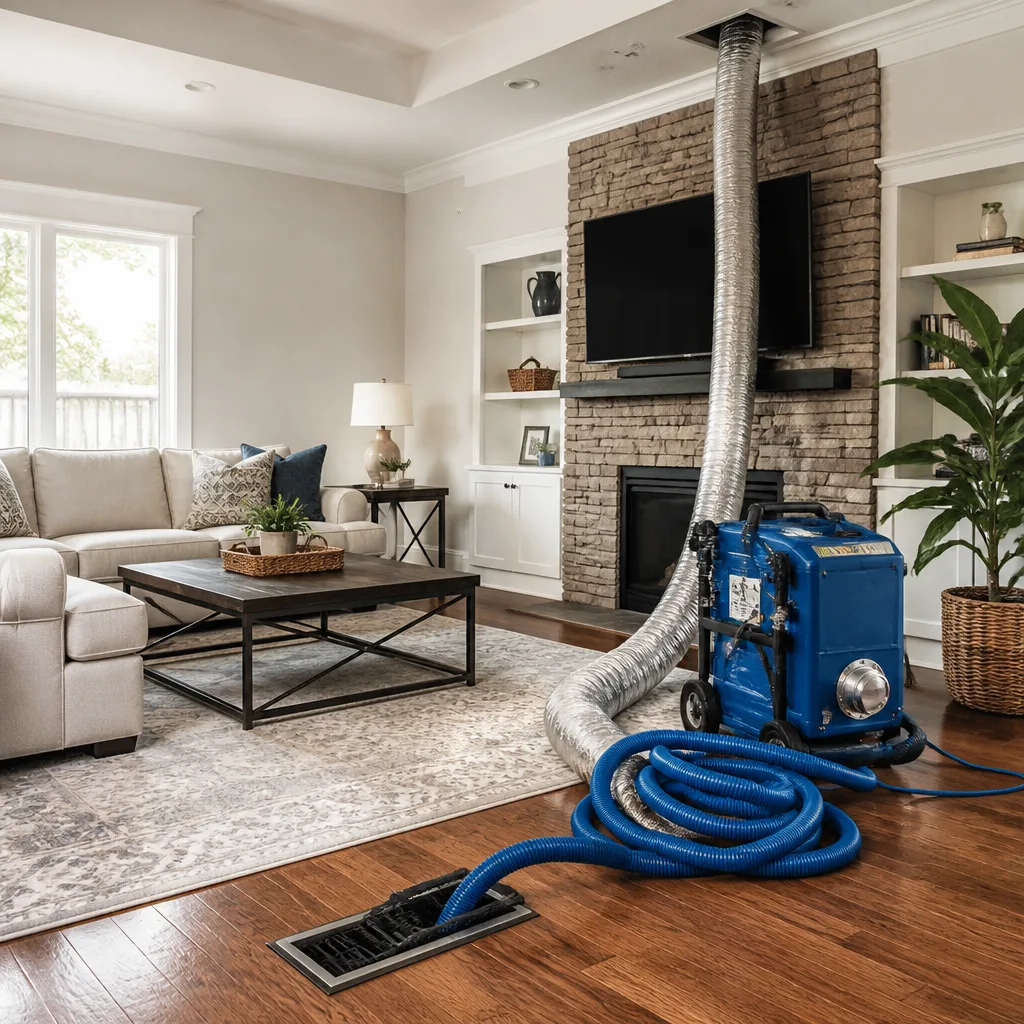 Whole-home duct cleaning
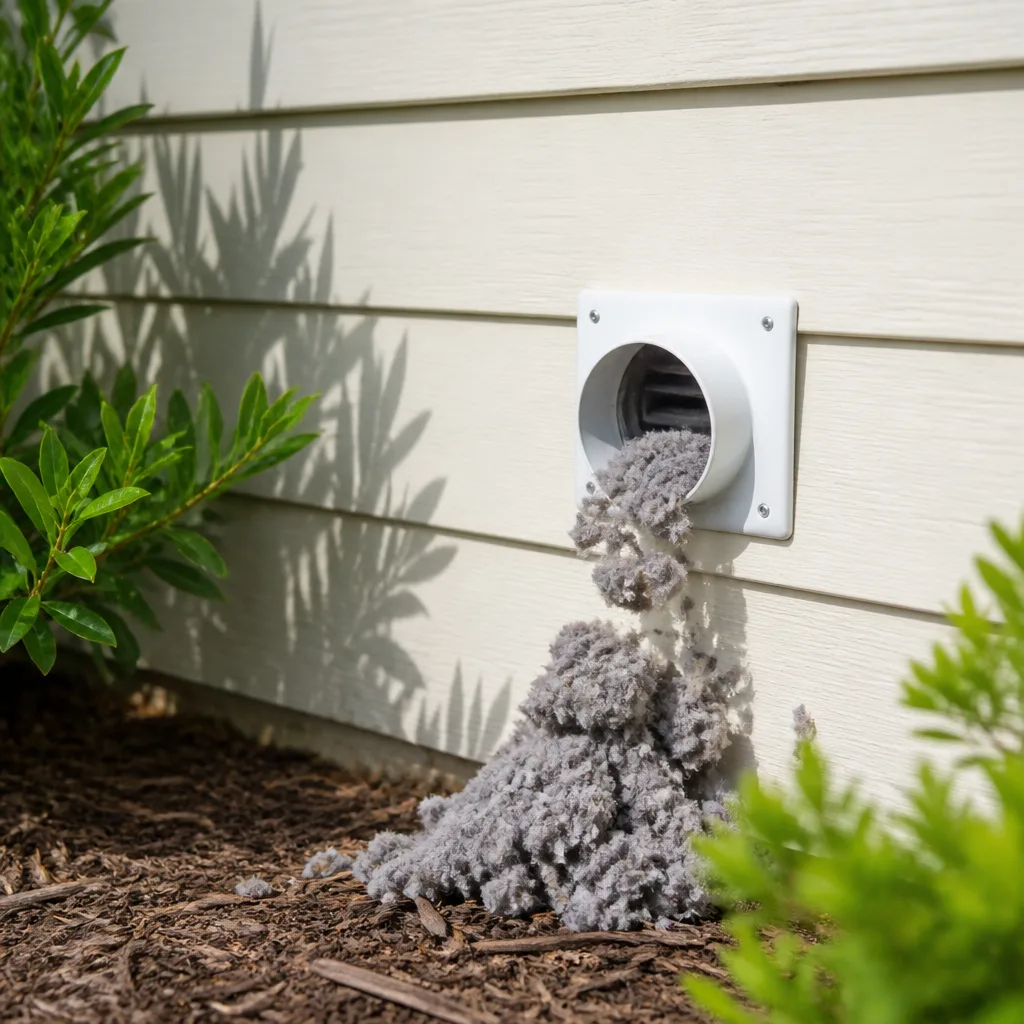 Dryer vent cleaning
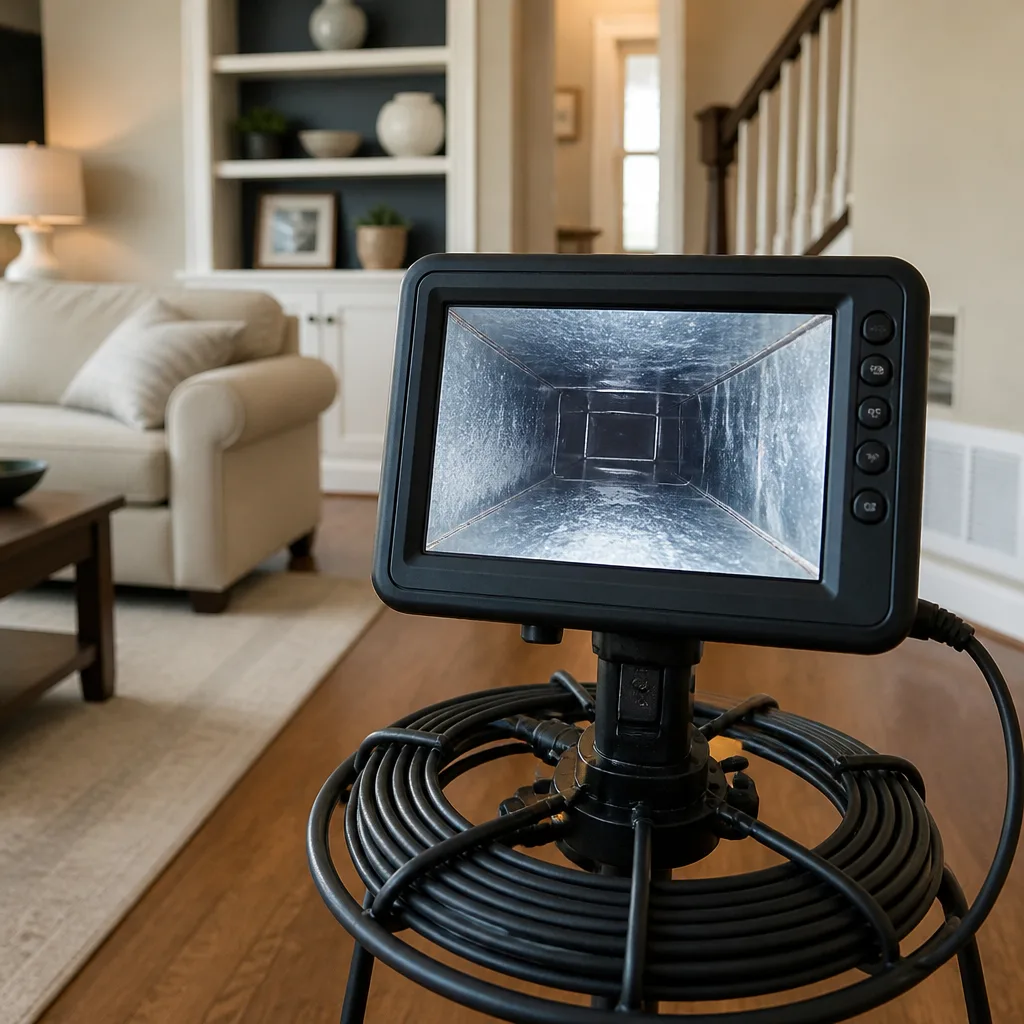 Camera inspection
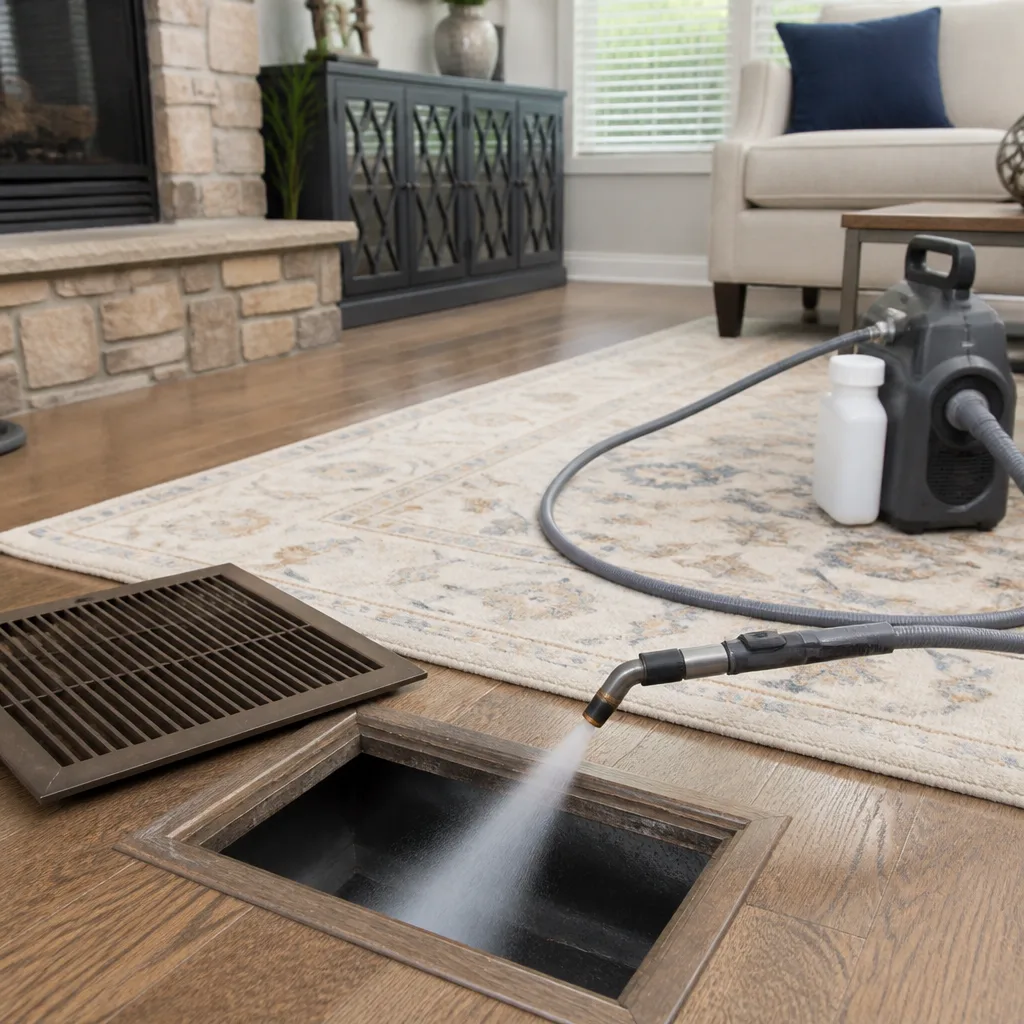 Sanitizing & deodorizing
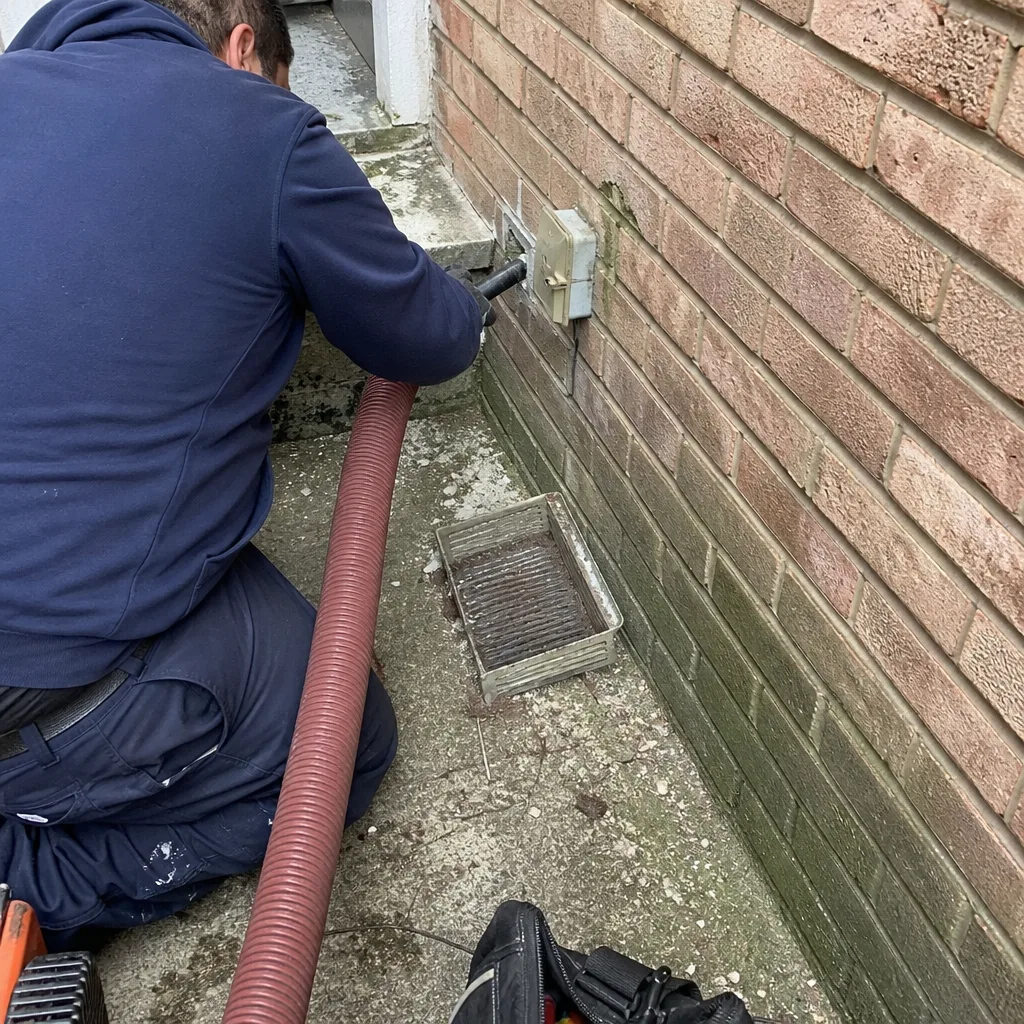
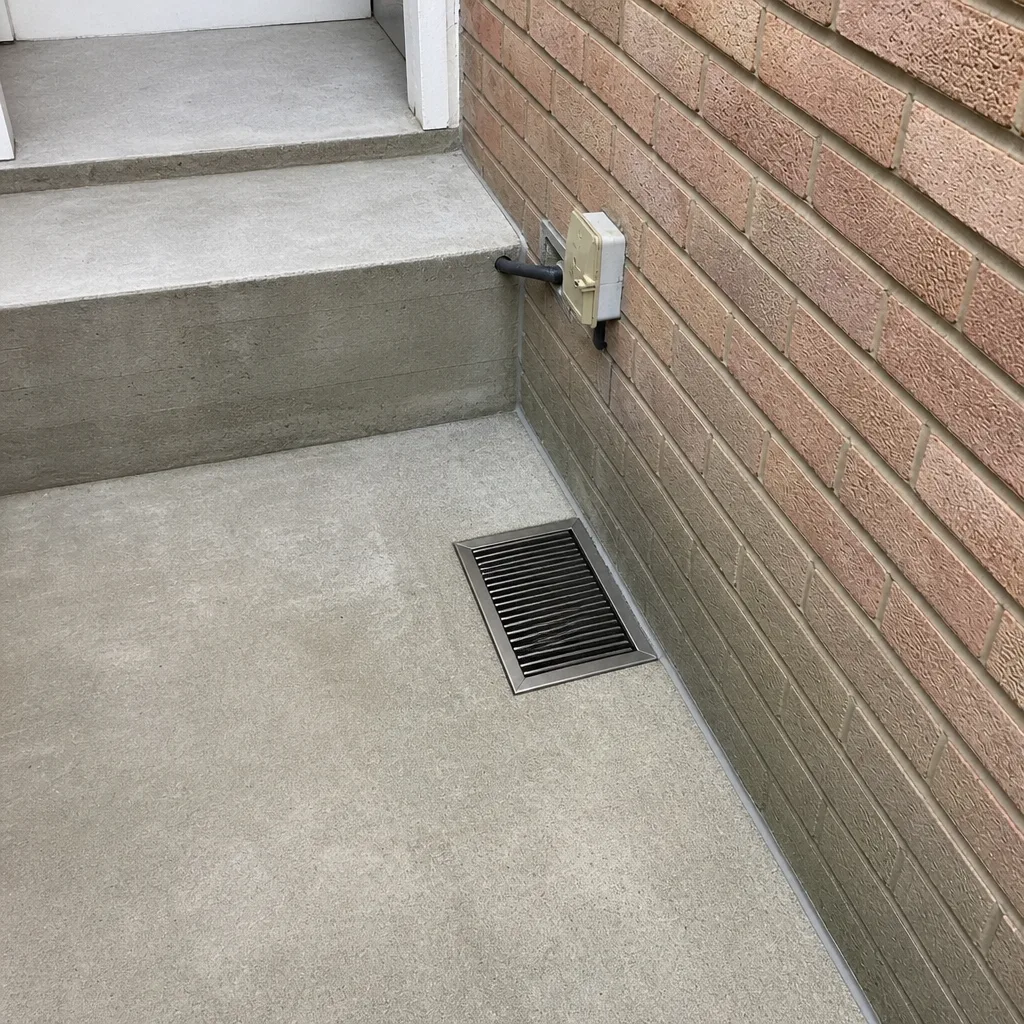
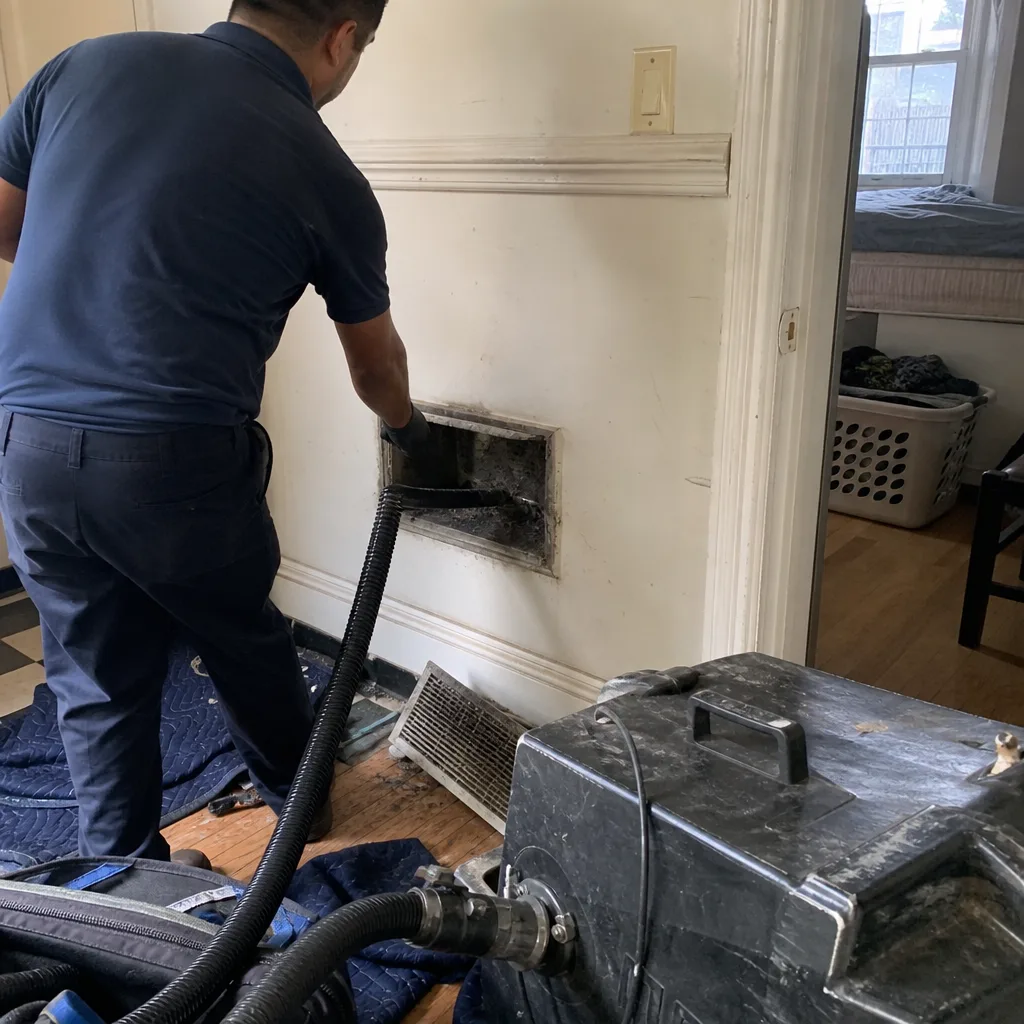
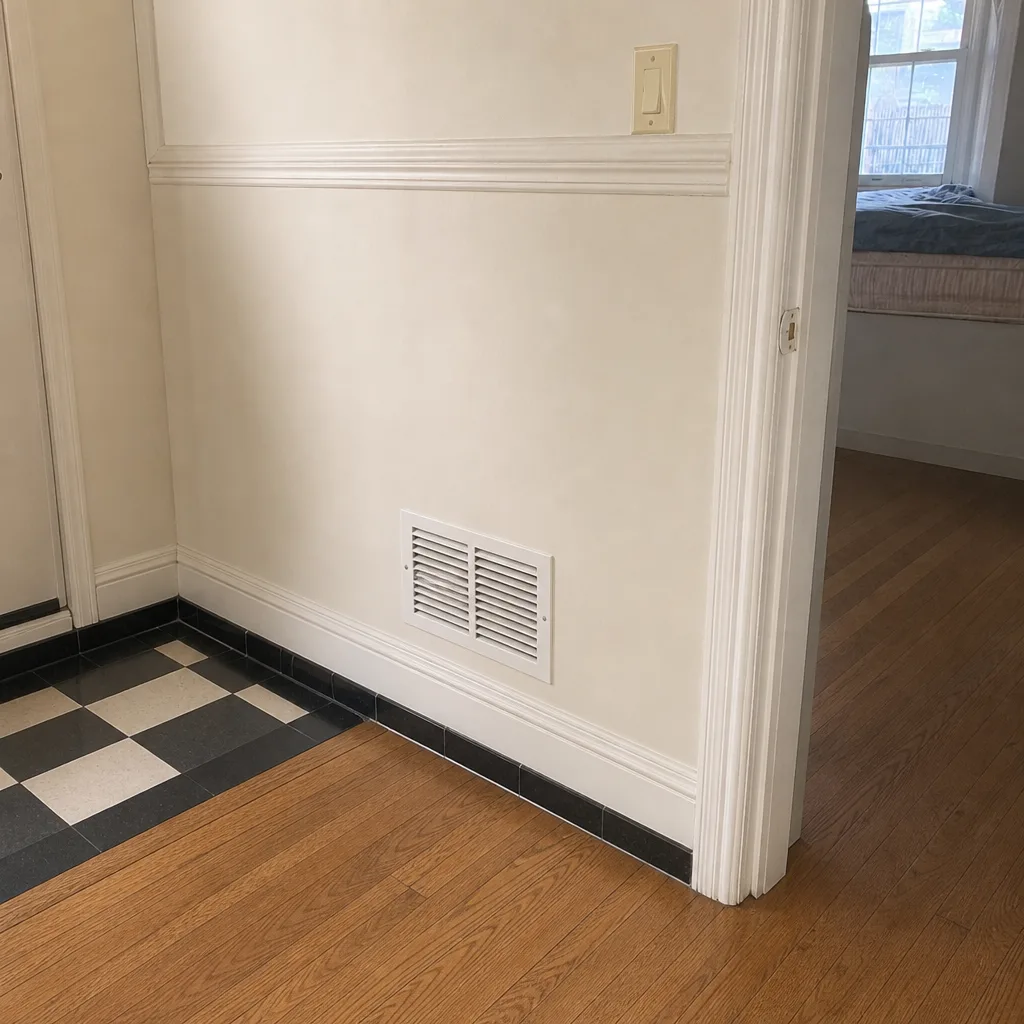
Whole-system duct and dryer vent check with before-and-after photos - you see exactly what came out of your vents
That "$99 whole-house special" is a bait ad - the real number appears once they are in your hallway, or the "clean" is a shop-vac at the register. We photograph the inside of your ducts before and after instead.
Air Duct Cleaning Permits, Codes & Inspections in Hell’s Kitchen, NY: What You Need to Know
The cleaning itself usually needs no permit. The moment a technician cuts into a duct run, splices in a new section, or seals a joint on ductwork that serves more than one unit, the regulatory picture changes. Most homeowners in Hell’s Kitchen never learn where that line sits until a job is already finished and a violation shows up on a building record. This guide draws the line clearly: what counts as cleaning under the NYC Mechanical Code, when repair or sealing crosses into modification, how Local Law 97 and Local Law 32 tie ventilation to building compliance, when a licensed mechanical contractor is required, how DOB filing works in landmark-designated buildings, and what to request in writing before anyone touches your ducts.
Quick Answer
Routine air duct cleaning in Hell’s Kitchen, NY does not require a permit. Duct repair, sealing, or modification that alters the system – cutting, adding, rerouting, or changing airflow in a way that affects the mechanical system – can trigger NYC Mechanical Code and Department of Buildings requirements, and in some cases requires a licensed mechanical contractor. Landmark-designated buildings and multi-unit properties carry additional filing obligations. Ask what permit, if any, a job requires before work begins, and get the answer in writing.
Styles & brands we work with
- Whole-home duct cleaning
- Dryer vent cleaning
- Camera inspection
- Sanitizing & deodorizing
Table of Contents
- Cleaning vs. Modification: Where the Line Sits
- What NYC Mechanical Code Chapter 6 Actually Covers
- Local Law 97 and Local Law 32: Ventilation and Building Compliance
- When You Need a Licensed Mechanical Contractor
- DOB Filing in Landmark and Historic Buildings
- How to Protect Yourself as a Renter or Unit Owner
- What an Inspection Actually Involves
- The Documentation Checklist Before Work Starts
Cleaning vs. Modification: Where the Line Sits
Cleaning is maintenance. Modification is construction. Everything else – permits, licensing, filing – follows from which one a job actually is. In Hell’s Kitchen, where a large share of the housing stock is prewar and ductwork was often retrofitted decades after the building went up, this distinction comes up more often than people expect.
Under the NYC Mechanical Code, air duct cleaning that removes dust, debris, and contaminants from inside the system without cutting, splicing, or rerouting the ductwork is treated as routine maintenance. No permit is issued for it, and the DOB does not get a filing. A cleaning specialist can handle this work. The system is the same system when the job ends as when it began.
Modification begins with any of the following:
- Cutting into an existing duct to add, remove, or redirect a branch
- Splicing in a new section of duct to replace a damaged run
- Applying sealant to joints or seams in a way that changes the airflow characteristics of the system
- Altering the duct in a way that affects an exhaust, return, or supply connection to the common building system
- Any work that penetrates a rated wall assembly or fire separation
Not every modification needs a full permit, and not every repair is a modification. A pinhole leak sealed in a single-family duct run is different from a new branch serving a second bathroom in a multi-unit building. In our experience, the honest answer to “does this need a permit?” depends on exactly what is being done and to whose system. That’s why the scope belongs in writing before the work starts – a clear scope is what tells you which category you’re in.
What NYC Mechanical Code Chapter 6 Actually Covers
NYC Mechanical Code Chapter 6 governs duct systems – their construction, installation, and the standards that apply when ductwork is altered. It is the chapter most relevant to Hell’s Kitchen residents because it is the chapter that separates cleaning from modification. Reading it directly is possible (the DOB publishes it), but the practical version is simpler: Chapter 6 sets standards for materials, sizing, sealing, and support. Work that must meet those standards is work that may need a permit.
In plain terms, Chapter 6 covers:
- Duct construction: what materials are permitted, minimum thicknesses, how ducts must be supported
- Duct sealing: requirements for closing joints and seams, and what counts as an approved method
- Clearances: how close ductwork can run to combustible materials and other building components
- Ventilation: supply and return air requirements, including exhaust systems
- Access: requirements for how duct systems must be accessible for cleaning and inspection
For a Hell’s Kitchen building, the access requirement matters. Some duct systems in older buildings were installed without adequate cleanouts or access panels. A technician who arrives to clean a system with no access panels has a choice: attach a panel properly (possibly a modification), or clean from the register openings only (standard for most residential jobs, but limits the reach of the equipment). We work with everything from single-apartment systems to rooftop HVAC serving multiple units, and the access question is always the first thing we look at.
The key point for a homeowner: if a contractor proposes any work that involves cutting the duct, adding access panels, or modifying the system in a way that changes it from its installed condition, ask whether the work is subject to Chapter 6 requirements and whether a permit is required. The answer is specific to the job. It is never just “no.”
Local Law 97 and Local Law 32: Ventilation and Building Compliance
Local Law 97 gets most of its attention for carbon emissions, and it deserves that attention. But the same buildings covered by Local Law 97 have ventilation and air quality obligations that connect directly to their duct systems. For property managers in Hell’s Kitchen – especially in larger buildings with mechanical HVAC serving multiple floors – the two laws sit in the same conversation.
Local Law 97 sets building performance standards and emissions caps for buildings above a size threshold. Buildings subject to the law must track their energy performance and file regular reports. Ventilation systems that leak, run inefficiently, or use undersized or oversized ducts relative to the load they serve increase energy consumption. A duct system that has not been cleaned in years, that has failing seals, or that has never been sealed properly at the joints is an efficiency problem in Local Law 97 terms.
Local Law 32 establishes indoor air quality requirements for buildings, including periodic inspection and maintenance of ventilation systems. Buildings covered by the law have obligations to keep their ventilation systems in service and in reasonable condition. A sealed, clean, and functioning duct system is how a building meets those obligations in practice.
What this means for a Hell’s Kitchen building owner:
- Know whether your building is subject to Local Law 97 and Local Law 32. The DOB and NYC Accelerator publish the thresholds.
- Treat duct cleaning, sealing, and system repair as compliance work – not just cosmetic maintenance.
- Keep service records. A documented cleaning and sealing schedule is evidence that the system has been maintained.
- Before any modification, confirm whether the work affects the building’s filing obligations. Adding a branch to a common ventilation system can do that.
We work with Honeywell and Aprilaire air quality products as part of whole-home filtration and humidity control conversations, and that’s where these laws most often meet residential work. A homeowner in a building subject to Local Law 97 who is installing filtration equipment – or repairing ductwork in a way that affects air distribution – should confirm whether the work triggers filing requirements under the building’s compliance plan. That’s a conversation with the building’s engineer or managing agent before the work starts.
When You Need a Licensed Mechanical Contractor
Air duct cleaning does not require a mechanical license in New York City. Duct repair and modification that involve cutting into the system, altering airflow, or making work subject to NYC Mechanical Code permits generally do require a licensed contractor to perform and sign off. This is the practical dividing line in Hell’s Kitchen, and it’s worth understanding from both sides.
A cleaning specialist can handle:
- Source removal cleaning of the entire duct system, all accessible branches, and the supply and return plenums
- Sanitizing after cleaning using products designed for HVAC duct surfaces
- Dryer vent cleaning, which operates on a separate exhaust system
- HVAC cleaning – the air handler unit, coils, and blower – as part of the cleaning scope
- Inspection and documentation of the system’s condition
A licensed mechanical contractor is generally required for:
- Cutting into or splicing ductwork to add, remove, or reroute a branch
- Modifications that change the system’s airflow in a way that affects the mechanical system or its connection to the building
- Work that penetrates a fire-rated or smoke-separated assembly
- Any repair subject to a mechanical permit under NYC Mechanical Code Chapter 6
In our experience in Hell’s Kitchen, most residential cleaning jobs are exactly that: cleaning. When an inspection turns up a damaged run that needs a splice, or a return duct that needs to be rerouted to improve performance, we tell the homeowner the repair may require a licensed contractor’s involvement and a permit. We’re direct about that line. An honest scope says where the cleaning ends and where a licensed mechanical contractor starts – and it says so before anyone touches the system.
Duct repair and sealing are part of what we do, and we do them where the work is within the cleaning scope. When it isn’t, we tell the homeowner to involve a licensed contractor. That’s the responsible answer, and it’s the one that protects the homeowner from a filing problem later.
DOB Filing in Landmark and Historic Buildings
Not every building in Hell’s Kitchen is landmark-designated. But enough of them are – especially in the older prewar blocks – that a building owner or resident should know to ask before scheduling anything that might count as exterior or building-system work. DOB filing requirements are one layer. Landmark approval is a second layer, and in designated buildings both can apply.
When a building’s exterior or visible elements are protected, the scope of work that counts as “visible” can reach further than a homeowner expects. Modifications visible from the street or affecting the building’s exterior envelope are generally outside the scope of a residential duct cleaning. Modifications that alter a building’s mechanical system are generally subject to standard DOB filing requirements, not landmark approval. But when a building is landmark-designated, asking the managing agent or building engineer before work begins is the safest step.
The practical process for a Hell’s Kitchen building with landmark designation:
- Confirm the building’s designation status. The NYC Landmarks Preservation Commission publishes this.
- If designated, ask the managing agent or building engineer whether the proposed work affects protected elements.
- If the work is a mechanical system modification, confirm with the DOB whether a filing is required for the system change.
- If the answers are unclear, request the filed scope in writing before work starts.
Most duct cleaning in a landmark-designated building proceeds without any additional filing because it doesn’t touch protected elements. The work that requires a second look is modification work – a new duct run, a change to a common system, work affecting a visible component. If you’re not sure, ask the managing agent. That’s the step most homeowners skip, and it’s the one that prevents the surprise.
How to Protect Yourself as a Renter or Unit Owner
The single most effective protection is a written scope of work that clearly states what the contractor will do and whether any permit is required for it. In Hell’s Kitchen, where many duct systems serve more than one unit or connect to common building systems, a scope that doesn’t specify what is being modified and who authorized it is difficult to defend. Get it in writing before anyone arrives with equipment.
A complete written scope should include:
- What is being cleaned versus modified. A line in the scope that distinguishes cleaning from repair or modification is the document that answers the permit question later.
- Whether any permit or DOB filing is involved. If the scope says “no permit required,” ask what standard the contractor used to decide. The answer should reference the specific work being done, not a blanket statement.
- Whether the work touches a common building system. If the duct serves more than one unit, the building’s managing agent or building engineer should authorize the work. A unit owner who authorizes modification to a common system without building authorization can end up on the wrong side of a building violation.
- Before-and-after documentation. Photos of the duct interior before and after cleaning are standard for a professional job. Request them in writing as part of the scope.
- Contractor credentials as they apply to the work. If the work is modification within the scope of a licensed mechanical contractor, request proof of that license before work starts.
If a contractor performs work that later triggers a violation, the documentation is the difference between being a victim of unpermitted work and being considered part of it. In our experience, the contractors who resist putting a scope in writing are the ones whose work most often ends up under review. A written scope protects the homeowner and the building both. Request it before the work starts, not after.
What an Inspection Actually Involves
A duct inspection in Hell’s Kitchen is a visual and instrumental check of the system’s condition, not a regulatory review. Most inspections happen as part of a cleaning job, and the findings determine whether repair, sealing, or modification work is recommended – and therefore whether the permit question needs to be raised. Understanding the process helps you ask the right questions at the right time.
A typical inspection covers:
- Access panel and register review. The technician checks every accessible opening and notes the system’s layout, number of branches, and any obvious damage.
- Interior condition. A camera inspection or direct visual check inside the duct runs assesses dust load, debris, moisture, and any sign of mold or microbial growth.
- HVAC unit inspection. The air handler, filter, coils, and blower are checked as part of the HVAC cleaning scope. A clogged coil or dirty blower is often the real air quality problem.
- Seal and joint condition. Failing seals, separated joints, and disconnected runs are noted. Disconnected runs are a common finding in older Hell’s Kitchen buildings where ductwork was retrofitted.
- Dryer vent inspection. If the unit has a dryer, the vent run is measured and checked for lint buildup or kinks – a separately important fire safety item.
After the inspection, a reputable contractor tells you what was found and recommends the next step. If that step is cleaning, sanitizing, or HVAC cleaning, that’s within scope. If the step is cutting into ductwork, adding access panels, or splicing a run, that’s where the permit question arises and where a licensed mechanical contractor may need to be involved. Ask for that distinction in the written findings.
We use Rotobrush rotary-brush systems and Nikro negative-air vacuums for source removal cleaning, and Abatement Technologies equipment for containment and negative-air pressure during the job. That equipment is used during the cleaning, not the inspection, but it’s worth asking each contractor what they’re using – industrial-grade equipment and residential results belong together, and a shop vac isn’t the same as a negative-air machine. The inspection is the moment to confirm what the cleaning will actually cover and what it won’t.
The Documentation Checklist Before Work Starts
Before any contractor touches your ducts in Hell’s Kitchen, get these items in writing. The checklist is short, and the items are simple. The point is not to add friction; the point is to make sure both sides agree on what the job is and whether any regulatory layer applies. This is a cornerstone of a professional relationship.
- Written scope of work. A document that says, line by line, what will be cleaned and what, if anything, will be modified. Cleaning only, cleaning plus repair, cleaning plus sealing – the scope must say which.
- Permit status. A statement of whether a permit or DOB filing is required for the work, with a brief reason. “No permit required because the work is source removal cleaning under NYC Mechanical Code” is the kind of sentence that answers the question.
- Licensed mechanical contractor involvement, if applicable. If the scope includes modification that triggers mechanical code or permit considerations, the name and proof of licensure of the mechanical contractor performing that portion.
- Building authorization, if the duct serves a common system. Written authorization from the managing agent or building engineer. Multi-unit Hell’s Kitchen buildings often have common systems.
- Before-and-after photos. A written confirmation that the contractor will document the duct interior before and after cleaning.
- The estimate, in writing. A per-job price agreed before work starts, not a per-vent or per-hour figure that changes once the technician is on site.
- A direct phone number for questions. Before, during, and after the work. A contractor who answers questions directly is more useful than one who returns calls days later.
Compare this list to what a contractor hands you. If the scope is one page and full of generalities, ask for a more specific document. If the permit status is a blank stare, that’s your answer. And if the estimate is given only after the technician arrives, the job isn’t ready to schedule.
Common Mistakes to Avoid
- Assuming cleaning needs a permit. It usually doesn’t. Assuming it does can lead to paying for a filing that isn’t required; assuming it doesn’t can lead to skipping the filing when modification is involved. Read the scope, not the label on the truck.
- Assuming modification doesn’t need one. The more common error. Cutting into a duct to add a branch or to splice a damaged run is the work most likely to require a permit or a licensed contractor. Ask before, not after.
- Not checking whether the duct serves more than one unit. In Hell’s Kitchen buildings, ductwork often does. Modifying a common-system duct without building authorization can land the unit owner in a building violation, which is why managing agent authorization belongs in writing.
- Skipping the managing agent conversation. The most expensive mistake in landmark-designated buildings and in co-ops with board approval requirements. A quick conversation up front is much cheaper than a stop-work order later.
- Accepting a verbal scope. Verbal scope is unenforceable after the work. If the contractor can’t put the scope and the permit status in writing, that’s a reason to slow down.
- Ignoring the access panel question. Some Hell’s Kitchen duct systems were installed without cleanouts. If a contractor proposes to cut in access panels, ask whether that work is considered modification and whether a permit is involved. It often is, and the answer belongs in the scope.
- Not asking for Local Law 32 documentation. If your building is subject to Local Law 32, the cleaning and maintenance record is part of the building’s compliance evidence. Keep the records.
See the difference
 Before
 After
 Before
 After
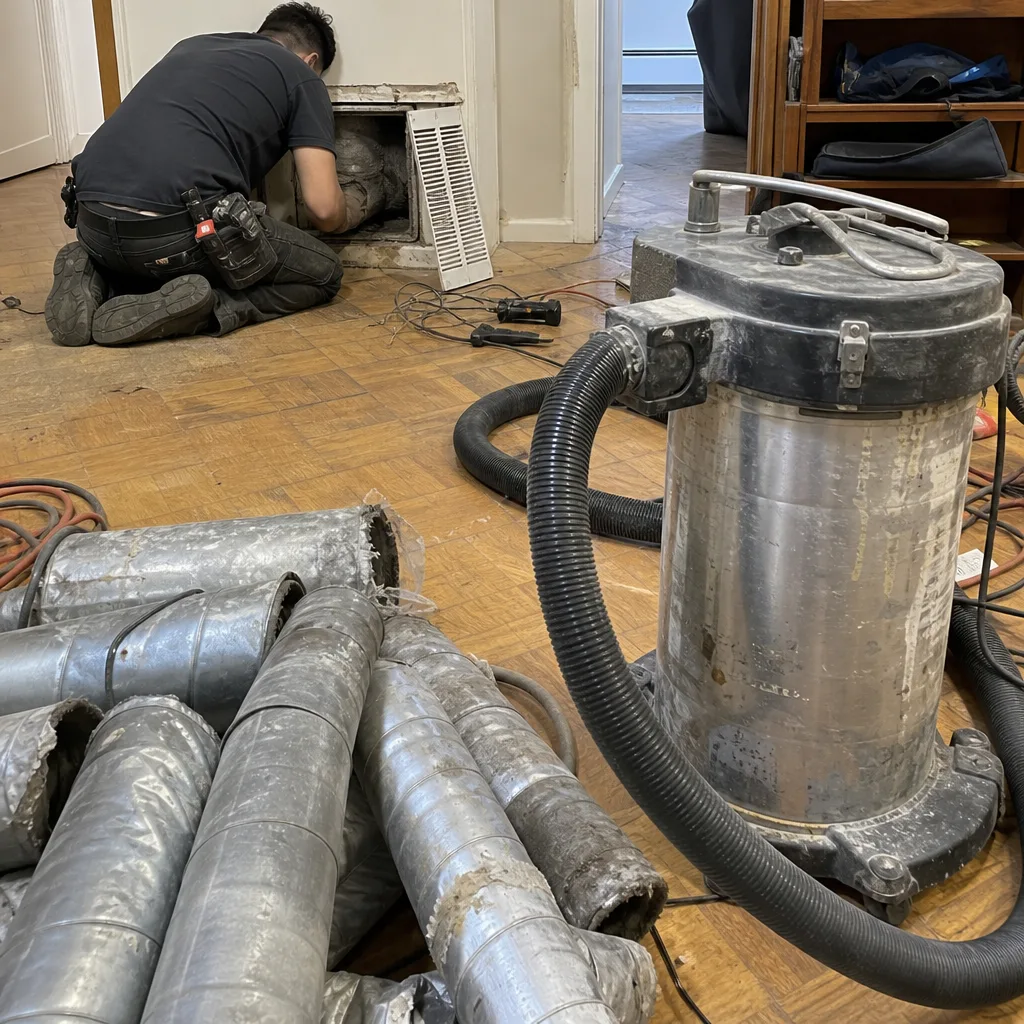 Before
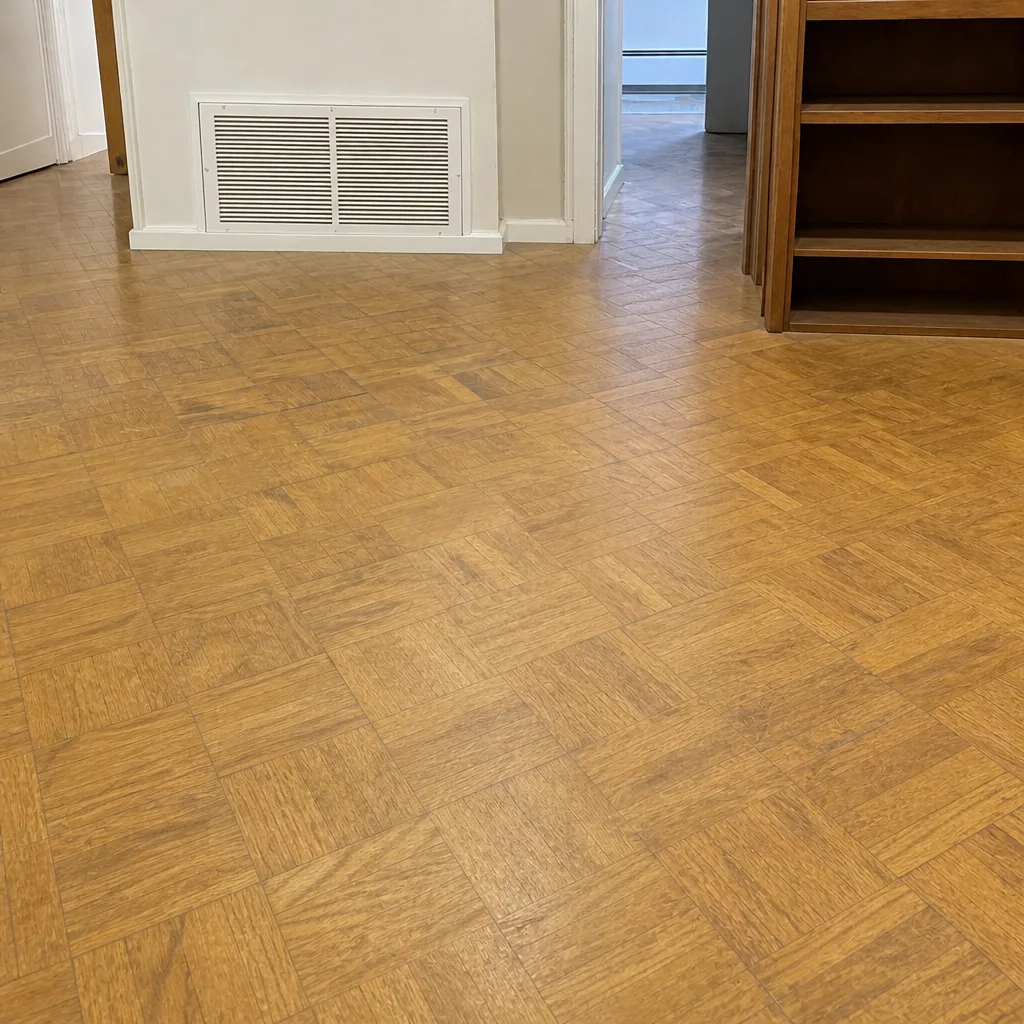 After
When to Call a Professional
Call a professional in Hell’s Kitchen when an inspection turns up damage that could require modification, when an inspection turns up signs of mold or moisture in the duct system, when the HVAC system is running poorly and the ductwork is a suspect, or when a recent renovation has left construction debris in the supply or return ducts. If you’re a renter, call your landlord first, then call us and we’ll tell you whether the work is within a cleaning scope or needs a licensed mechanical contractor. If you’re a unit owner with a common-system duct, call your managing agent first and then us. Air Duct Cleaning Hell’s Kitchen offers free estimates in Hell’s Kitchen – call (833) 468-5937. We answer 24/7. Fast dispatch from 7am to 7pm, Sunday through Friday.
Frequently Asked Questions
No. Routine air duct cleaning in Hell’s Kitchen and the rest of NYC is treated as maintenance under the NYC Mechanical Code, and no permit is issued for it. The permit question changes the moment the work involves cutting, splicing, or modifying the duct system. Call (833) 468-5937 for an exact quote – estimates are free.
Duct repair generally becomes a modification when it involves cutting into or altering the system’s existing configuration – adding a branch, splicing in a new section, rerouting a run, or doing anything that changes how the system connects to the building’s mechanical system. A licensed mechanical contractor is typically involved for that work. For a specific job, ask the contractor to state in writing whether the work is cleaning or modification and whether a permit applies. Call (833) 468-5937 to discuss your Hell’s Kitchen system – estimates are free.
It depends on what is being sealed. Sealing individual joints and seams as part of routine cleaning is generally within a cleaning specialist’s scope. Sealing that changes the airflow characteristics of a system, or that involves cutting or adding to the ductwork to reach the seal, is modification and generally requires a licensed mechanical contractor. The line is specific to the job. Call (833) 468-5937 for a written scope – estimates are free.
Local Law 97 sets building emissions caps and performance standards; Local Law 32 sets indoor air quality and ventilation maintenance requirements. Both make duct cleaning, sealing, and repair part of a building’s compliance picture, not just a maintenance matter. If your building is subject to either law, keep service records and confirm with your managing agent before modifying a common system. Call (833) 468-5937 to schedule an inspection – estimates are free.
Landmark designation adds a second layer, but most duct cleaning in a landmark-designated building proceeds without additional filing because cleaning doesn’t touch protected elements. Mechanical system modifications are generally subject to standard DOB filing requirements, not landmark approval, and the safe step is to confirm with the managing agent or building engineer before work starts. Call (833) 468-5937 to set up an inspection – estimates are free.
Ask for a written scope that distinguishes cleaning from modification, states whether any permit or DOB filing is required, and confirms whether the duct serves a common building system. Ask for before-and-after documentation in writing, and ask for the per-job price agreed before work starts rather than a per-vent figure. Call (833) 468-5937 if you want a scope for your Hell’s Kitchen system – estimates are free.
The Bottom Line
Cleaning is maintenance and usually permit-free. Modification is construction and often isn’t. In Hell’s Kitchen, the distinction matters most in older buildings where ductwork was retrofitted and in buildings where a single duct run serves more than one unit. Local Law 97 and Local Law 32 have made duct cleaning and sealing part of the compliance record, not just a housekeeping item. Landmark designation adds a second layer in some buildings, and a managing agent conversation is cheaper than a stop-work order. The one practice that protects you in every scenario is a written scope before work begins. Our technicians have up to 14 years of experience on duct systems across Hell’s Kitchen, and we put the scope in writing before anyone picks up a tool.
One flat price per system, agreed before work starts. No per-vent pricing, and before-and-after photos of your own ducts. We don’t just clean – we seal, repair, and sanitize, and we use the right tool for every part of your duct system. Call (833) 468-5937. We answer 24/7. Fast dispatch from 7am to 7pm, Sunday through Friday.
Written by the team at Air Duct Cleaning Hell’s Kitchen.