
Last updated November 22, 2026
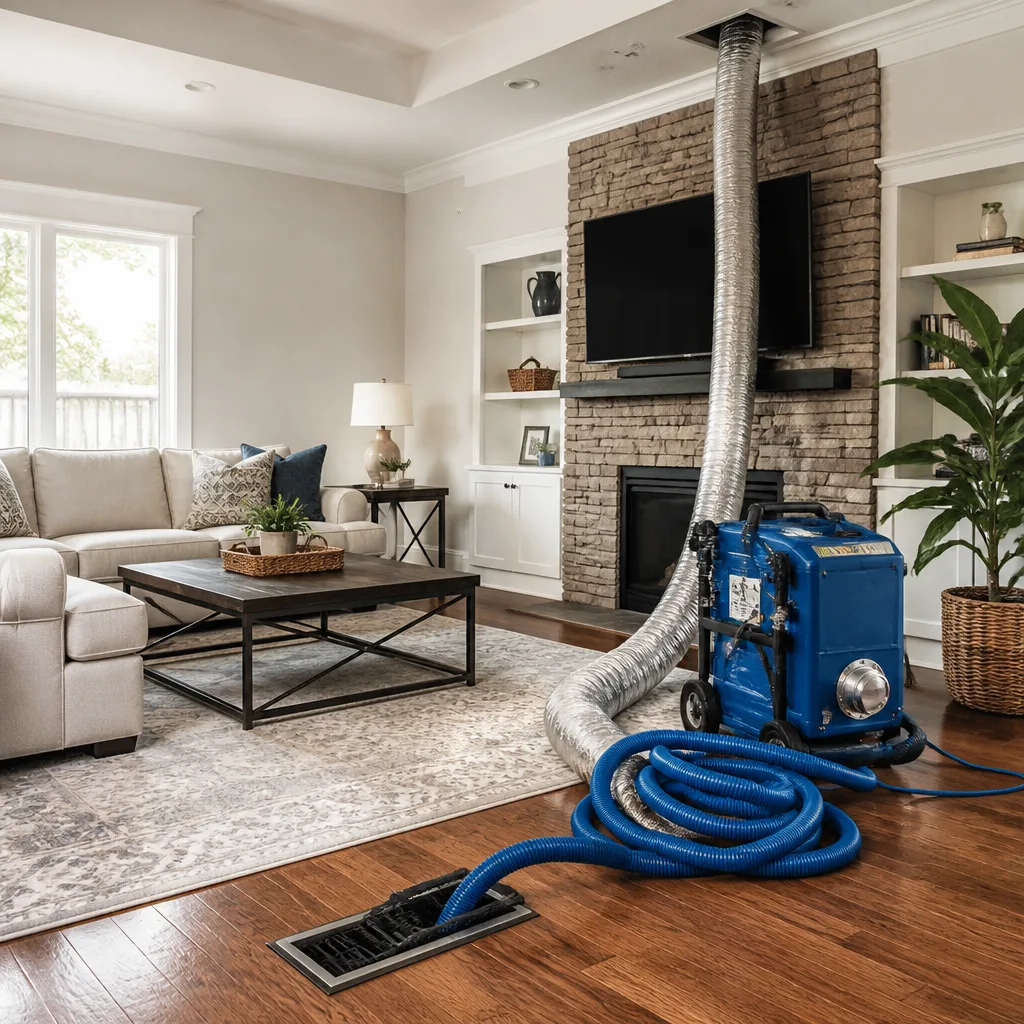 Whole-home duct cleaning
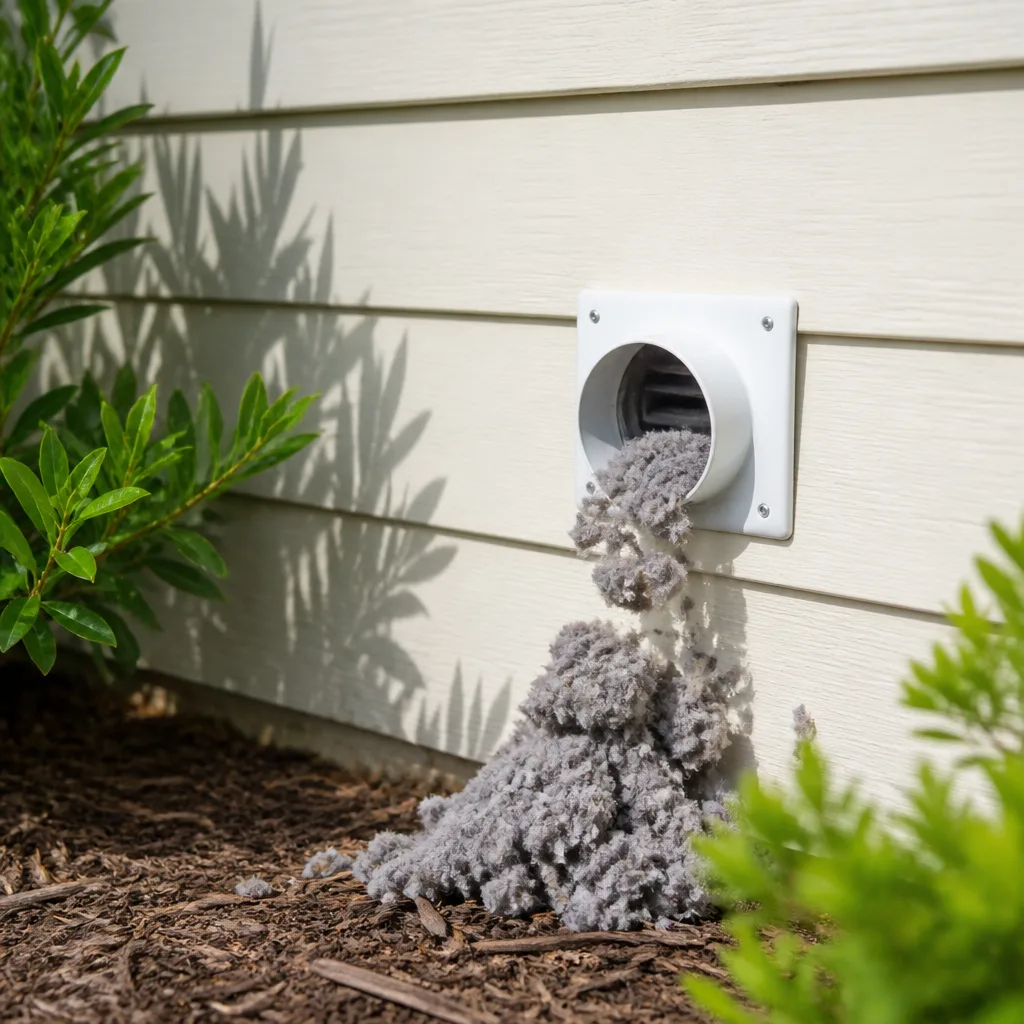 Dryer vent cleaning
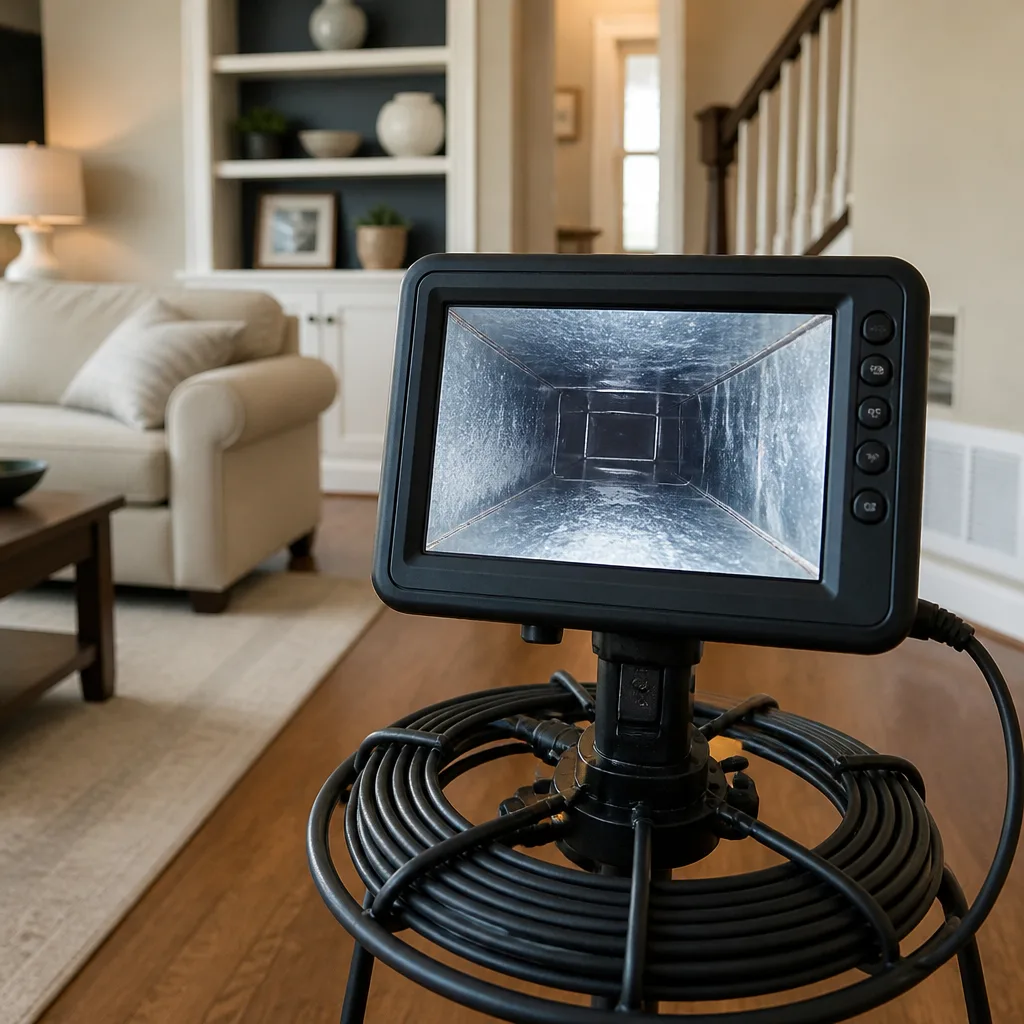 Camera inspection
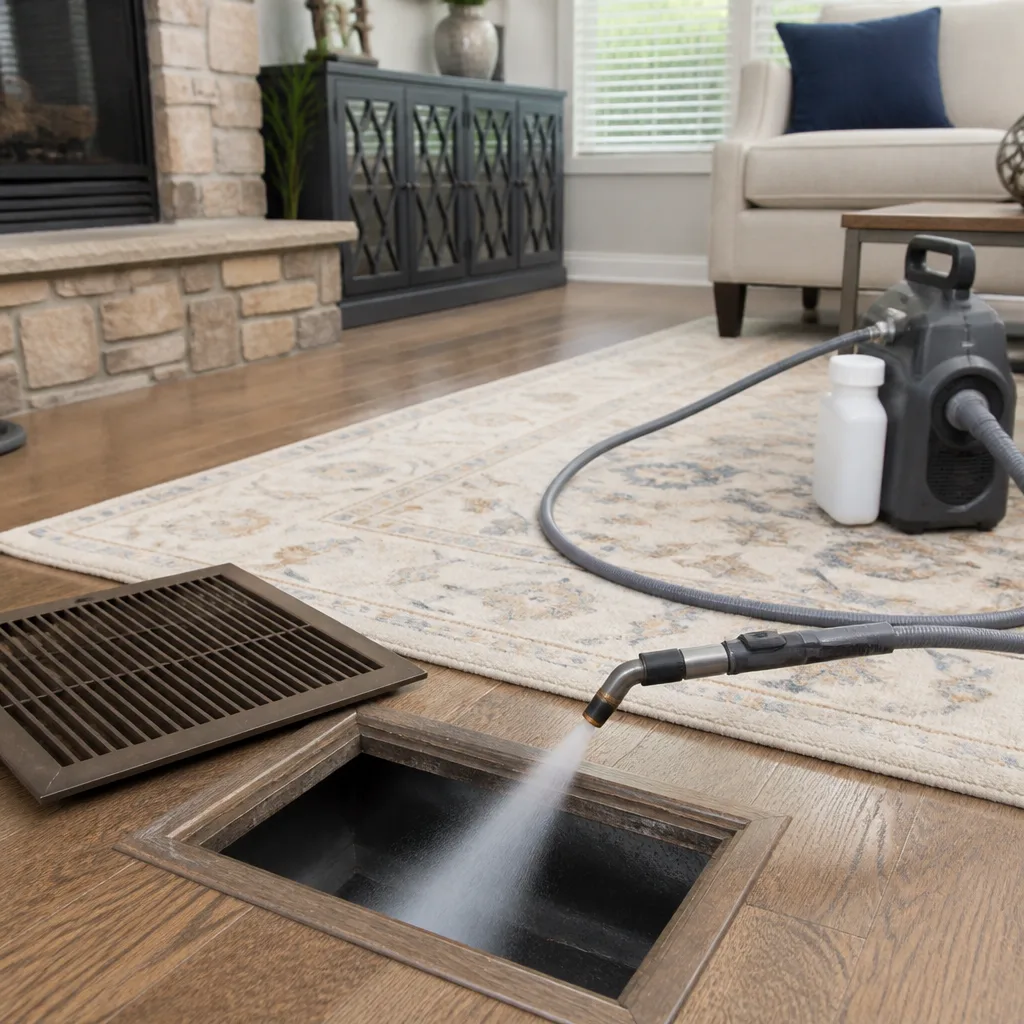 Sanitizing & deodorizing
Whole-system duct and dryer vent check with before-and-after photos - you see exactly what came out of your vents
That "$99 whole-house special" is a bait ad - the real number appears once they are in your hallway, or the "clean" is a shop-vac at the register. We photograph the inside of your ducts before and after instead.
The Complete Guide to Air Duct Cleaning in Hell’s Kitchen
Most air duct cleaning guides are written for three-bedroom ranch houses in Phoenix with a single trunk line, an attic air handler, and a garage the equipment can park beside. Hell’s Kitchen doesn’t look like that. Here you have cast-iron radiator systems that predate forced air entirely, shared risers running through buildings where one duct serves several apartments, construction dust that has been settling since the 1900s, and diesel particulate from the crosstown corridors moving past your windows every hour of the day. This guide is written for the buildings that actually exist here – the walk-ups, the pre-war co-ops, the postwar brick rentals – and it covers what a proper cleaning involves, how to verify one was done, and what you can control versus what belongs to your building’s management.
Quick Answer
Air duct cleaning in Hell’s Kitchen means removing accumulated dust, debris, and particulate from the ducts serving your apartment or building using negative-air containment and rotary-brush equipment, then sanitizing and sealing as needed. In pre-war and postwar buildings, the job is less about a quick vacuum and more about reaching duct configurations that consumer equipment cannot physically access. A proper cleaning ends with verified airflow improvement and before-and-after documentation of your own ducts.
Styles & brands we work with
- Whole-home duct cleaning
- Dryer vent cleaning
- Camera inspection
- Sanitizing & deodorizing
Table of Contents
- How Hell’s Kitchen Building Types Create Different Duct Problems
- What Midtown West Traffic Does to Your Indoor Air
- Shared HVAC Systems in Multi-Unit Buildings: What You Control
- Why Equipment Grade Matters in Older Duct Configurations
- How to Verify the Cleaning Was Actually Done
- What Air Duct Cleaning Costs in Hell’s Kitchen
- What a Professional Cleaning Involves, Step by Step
- Dryer Vents: The Fire-Safety Job Most Duct Cleaners Skip
How Hell’s Kitchen Building Types Create Different Duct Problems
The construction era of your building tells you more about your duct contamination profile than any square footage number. Hell’s Kitchen has three broad building generations, and each leaves a different signature inside the ductwork.
Pre-war buildings (roughly 1900s to 1930s). Many of these were built with cast-iron radiators and no ductwork at all. When forced air was retrofitted decades later, the ducts were squeezed into whatever cavities the architects could find: between joists, above closets, behind kitchen walls. Runs are short, turns are tight, and access panels are often missing or painted shut. Contamination here is dominated by construction dust from the original build and every renovation since. That dust is fine, alkaline, and packed hard against duct walls, which means a plain vacuum pulls the loose top layer and leaves the rest.
Postwar buildings (roughly 1945 to 1970s). This is the era that produced most of the mid-rise rental stock in Hell’s Kitchen. Ducts tend to be galvanized sheet metal with interior fiberglass lining on the plenums and sometimes on the trunks. The lining is the issue. It traps particulate deep in its fibers, and once it’s saturated it becomes a substrate rather than a filter. Lined ductwork needs brush agitation matched to the lining’s condition – too aggressive and the fiberglass tears, too soft and nothing comes out.
Modern construction and gut renovations. Newer systems are tighter, better sealed, and usually easier to clean. But a gut renovation in a Hell’s Kitchen apartment pushes a wave of drywall dust, joint compound, and sawdust into the returns, and that dust reaches the air handler within days. If your apartment was renovated before you moved in and nobody cleaned the ducts afterward, the evidence is still in there.
What Midtown West Traffic Does to Your Indoor Air
Hell’s Kitchen sits between some of the busiest north-south and east-west corridors in Manhattan. Diesel trucks, delivery vans, and the constant stop-and-go of Midtown West generate fine particulate matter that does not stay outside. It enters through window gaps, through lobby doors, through rooftop intakes, and through every unsealed penetration in the building envelope.
Once that particulate is inside, the return-air side of your HVAC system acts as a collection point. Returns pull air from the apartment, pass it through a filter that catches the coarse fraction, and deliver the rest to the ducts, where it settles on surfaces and in the fiberglass lining. Over a heating season, that accumulation builds.
What makes this local rather than generic:
- The particulate load is continuous rather than seasonal. Traffic doesn’t stop in January.
- Street-level apartments and units facing the avenues accumulate faster than upper-floor units facing courtyards.
- Fine particulate passes standard filters. A filter swap helps, but it doesn’t clean a duct that already has a decade of accumulation in it.
- Open-window season in Hell’s Kitchen starts earlier and ends later than the calendar suggests, and every one of those weeks adds to the load.
This is why a cleaning schedule built around “every three to five years” from a national guide doesn’t map cleanly onto a ground-floor apartment on a truck route. In our experience, the useful question is not how many years have passed but what the ducts look like inside.
Shared HVAC Systems in Multi-Unit Buildings: What You Control
In a Hell’s Kitchen walk-up or mid-rise, the duct system rarely belongs entirely to you. It’s worth understanding the split before you call anyone.
What you control:
- The branch ducts and registers inside your apartment, from the point where they leave the riser.
- The filter at your return grille, if your unit has one.
- The condition of your registers, diffusers, and any accessible duct runs within your walls.
- Whether your apartment gets cleaned, and when.
What requires building management:
- The main risers and trunk lines shared between units.
- The central air handler, coils, and drain pan, if your building has one.
- Rooftop or basement mechanical rooms and their intakes.
- Any work that requires opening walls or ceilings in common areas.
What this means practically: cleaning your apartment’s branches without addressing a contaminated riser is a partial job. It still helps, because you spend your time in your own rooms, but the source keeps feeding the branches. A useful first step is asking management when the building’s shared mechanical systems were last serviced. If nobody knows, that answer is itself information.
For buildings with central systems, the scope often includes the air handler itself, which is where HVAC cleaning comes in – coils, blower, and drain pan are part of the same air path as your ducts, and cleaning one without the other leaves the job half done.
Why Equipment Grade Matters in Older Duct Configurations
This is the part of the conversation where the difference between services becomes concrete rather than marketing. A shop vac and a rotary brush are not a smaller version of professional equipment – they do different things, and in Hell’s Kitchen’s older duct layouts the difference is physical.
What a shop-vac-based service can do: pull loose dust from short, straight, accessible runs. That’s it. It has no way to maintain negative pressure across the work area, no way to agitate contamination bonded to duct walls, and no way to reach more than a few feet into a run.
What industrial-grade equipment does:
- Containment and negative pressure. Abatement Technologies containment units hold the work area under negative air pressure so dislodged particulate travels into the collection system rather than into your apartment. In a pre-war building where ducts run above closets and behind kitchen walls, this is the difference between a cleaning and a dust event.
- Mechanical agitation. Rotobrush rotary-brush systems drive a spinning brush head through the duct run, scouring contamination off the walls and lining. In ductwork that turns sharply every few feet, the flexibility of the brush shaft is what allows it to follow the run at all.
- High-volume extraction. Nikro negative-air vacuums move enough air to carry the loosened material out of the system and hold it in the collection unit. A shop vac moves a fraction of that volume.
- Access creation. Older ducts often have no service openings. Professional work involves cutting and resealing access points at the right locations, then sealing them properly afterward.
Our technicians have up to 14 years of experience, and most of what that experience buys you is knowing which tool setting suits which duct. A lined postwar trunk and a 1920s retrofit branch need different treatment, and getting it wrong means either a duct that’s still dirty or a lining that’s been damaged.
How to Verify the Cleaning Was Actually Done
This is the question that separates serious buyers from hopeful ones, and it deserves a direct answer. A cleaning you can’t verify is a cleaning you’re taking on faith. Here’s what verification looks like when it’s done properly.
- Before-and-after photos of your own ducts. Not stock images, not a generic gallery – photographs of the actual runs inside your apartment, with a reference point so you can tell which duct you’re looking at.
- Inspection camera footage. An inspection camera pushed down the run shows the duct wall condition before and after. Ask to see it. A service that can’t produce it either didn’t use a camera or didn’t want you to see what the camera found.
- Airflow measurement. Measuring airflow at the registers before and after gives you a number. A restricted run that reads low before and normal after is evidence the cleaning did something.
- Access panel condition. Any openings cut for cleaning should be sealed and finished. Unsealed or taped-over holes in walls and ceilings are a sign of rushed work.
- The collection unit. Professional extraction equipment collects what it pulls out. A responsible service shows you what came out of your system.
If a company resists any of these, that resistance is your answer. For a deeper look at what the full service includes, our air duct cleaning page covers scope and process in detail.
What Air Duct Cleaning Costs in Hell’s Kitchen
Air duct cleaning in Hell’s Kitchen typically runs higher than suburban markets, and the reason is structural rather than inflated: apartment duct systems require more access work, tighter containment, and more time per run than a single-family house with an open basement. The estimates below are typical ranges, and a written estimate sets the final price.
| Service | Typical estimated range |
|---|---|
| Apartment duct cleaning (1-2 bedroom, accessible runs) | $350 – $600 |
| Larger apartment or multi-room with multiple returns | $550 – $900 |
| HVAC cleaning (air handler, coils, blower, drain pan) | $300 – $650 |
| Dryer vent cleaning | $150 – $300 |
| Duct repair and sealing (per section) | $200 – $550 |
| Air quality sanitizing after cleaning | $150 – $400 |
Three things drive the number up or down in Hell’s Kitchen specifically: how many access panels need to be cut, whether the ductwork is lined fiberglass (more time, more care), and whether building management needs to be involved for shared risers.
One flat price per system, agreed before work starts, is the standard we hold to. That means no per-vent pricing, no coupon figure that grows once the technician is inside, and no surprise line items mid-job. Before-and-after photos of your own ducts are part of the job, not an extra.
What a Professional Cleaning Involves, Step by Step
Here’s how a proper job runs in a Hell’s Kitchen apartment or building, in sequence.
- Assessment. We inspect the visible duct runs and registers, identify the construction era and duct material, and map where access will need to be created. For shared systems, we confirm what’s in scope and what belongs to management.
- Containment setup. Negative-air containment goes in before anything gets agitated, so dislodged particulate has somewhere to go other than your living room.
- Access creation. Where ducts have no service openings, we cut them at the right points and plan to seal them afterward.
- Agitation and extraction. Rotobrush rotary-brush heads work the duct walls while Nikro negative-air vacuums pull the loosened material into the collection unit. Each run gets worked from the register back toward the main.
- HVAC cleaning. The air handler is next: coils, blower wheel, and drain pan. Contamination here re-enters the airstream on every cycle, so it gets addressed as part of the same job.
- Sanitizing. Guardsman-grade sanitizing treatment goes in after the cleaning, targeting allergens, mold spores, and microbial contamination at the source rather than masking odors.
- Duct repair and sealing. Leaks and disconnected joints discovered during cleaning get sealed. This is where a cleaning becomes a fix rather than a rinse.
- Verification and handoff. Before-and-after photos, inspection camera footage where needed, airflow readings, and sealed access panels. You see what was done.
For apartments with whole-home filtration or humidity control, familiarity with Honeywell and Aprilaire systems means the equipment gets respected during cleaning rather than bypassed.
Dryer Vents: The Fire-Safety Job Most Duct Cleaners Skip
Dryer vent cleaning belongs in a guide about duct cleaning because it’s the same trade, the same equipment logic, and the same failure mode: lint accumulates in a duct nobody looks at, and the risk compounds silently. Many duct-only companies don’t cover it at all.
In Hell’s Kitchen, dryer vents tend to run long and turn often, because the laundry is rarely on an exterior wall. A long vent with multiple elbows traps lint faster than a short straight run, and in a pre-war building the vent may route through a wall cavity with no inspection access. That’s exactly the scenario where a professional cleaning makes a measurable safety difference rather than a cosmetic one.
The job itself is straightforward: disconnect the dryer, run brush and extraction equipment through the full vent length, clear the termination, verify airflow, and reconnect. If you can’t remember your vent ever being cleaned, that’s reason enough to have it looked at. Our dryer vent cleaning page walks through the process and what gets checked.
Building-wide laundry rooms need coordination with management, the same as shared HVAC. For individual apartment dryers, the vent is usually yours to maintain.
Common Mistakes to Avoid
- Choosing on price alone. A quote far below the typical Hell’s Kitchen range usually means a shop vac, no containment, and no verification. You’ll pay for the difference later when the job has to be redone properly.
- Cleaning apartment branches while ignoring the riser. In buildings with shared systems, this leaves the source feeding the branches. Ask management about the shared mechanicals before booking, and know what you’re getting.
- Accepting per-vent pricing. Per-vent pricing rewards speed over thoroughness and makes the final bill unpredictable. A flat price per system agreed in advance is the honest structure.
- Skipping the air handler. Cleaning ducts without cleaning coils, blower, and drain pan leaves the biggest contamination source untouched. Both parts of the air path need attention.
- Not asking for photos. A cleaning you can’t verify isn’t one. Before-and-after documentation of your own ducts should be standard, not a favor.
- Forgetting the dryer vent entirely. Most households think about duct cleaning and never think about the dryer vent, which in a long-run Hell’s Kitchen apartment is often the higher-risk duct in the home.
- Cleaning during or right after a renovation. Drywall dust and construction debris need to settle and the renovation to finish before the ducts get cleaned, or the work gets undone within a week.
See the difference
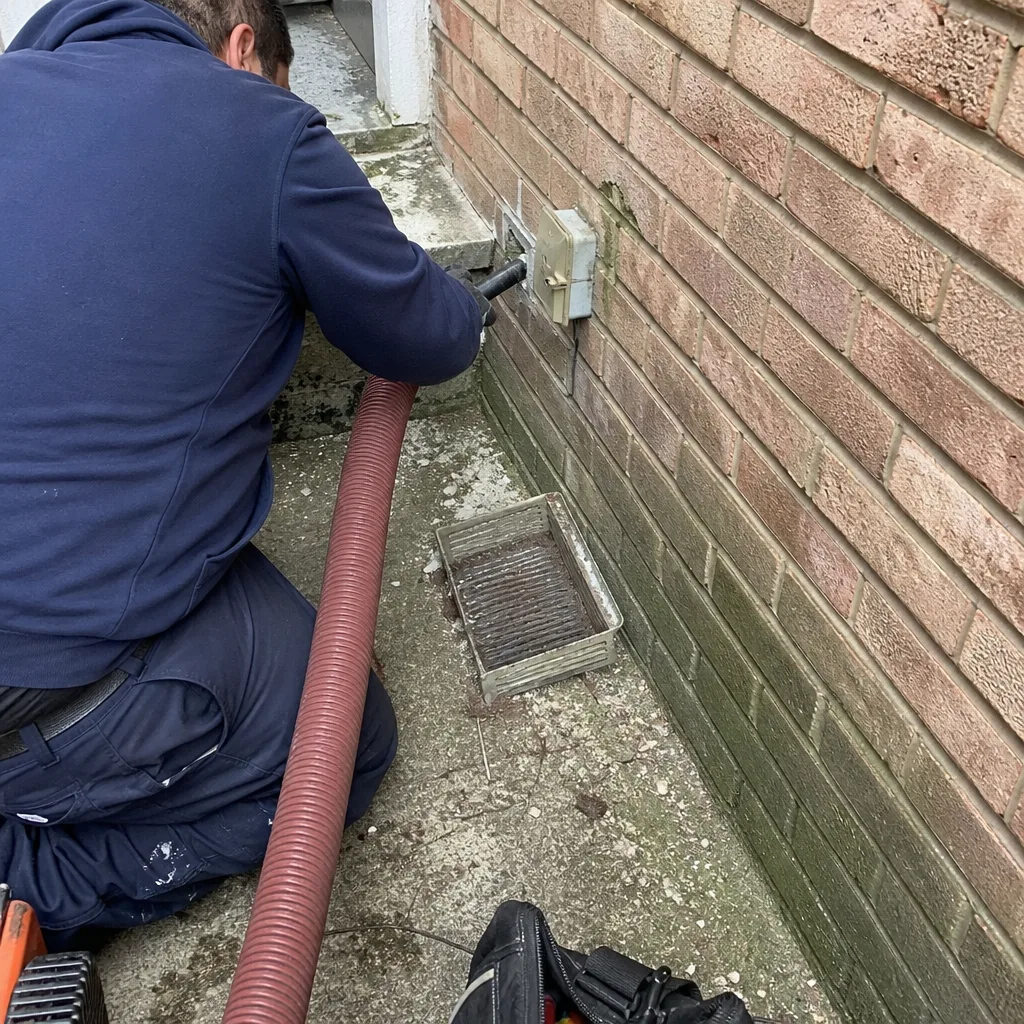 Before
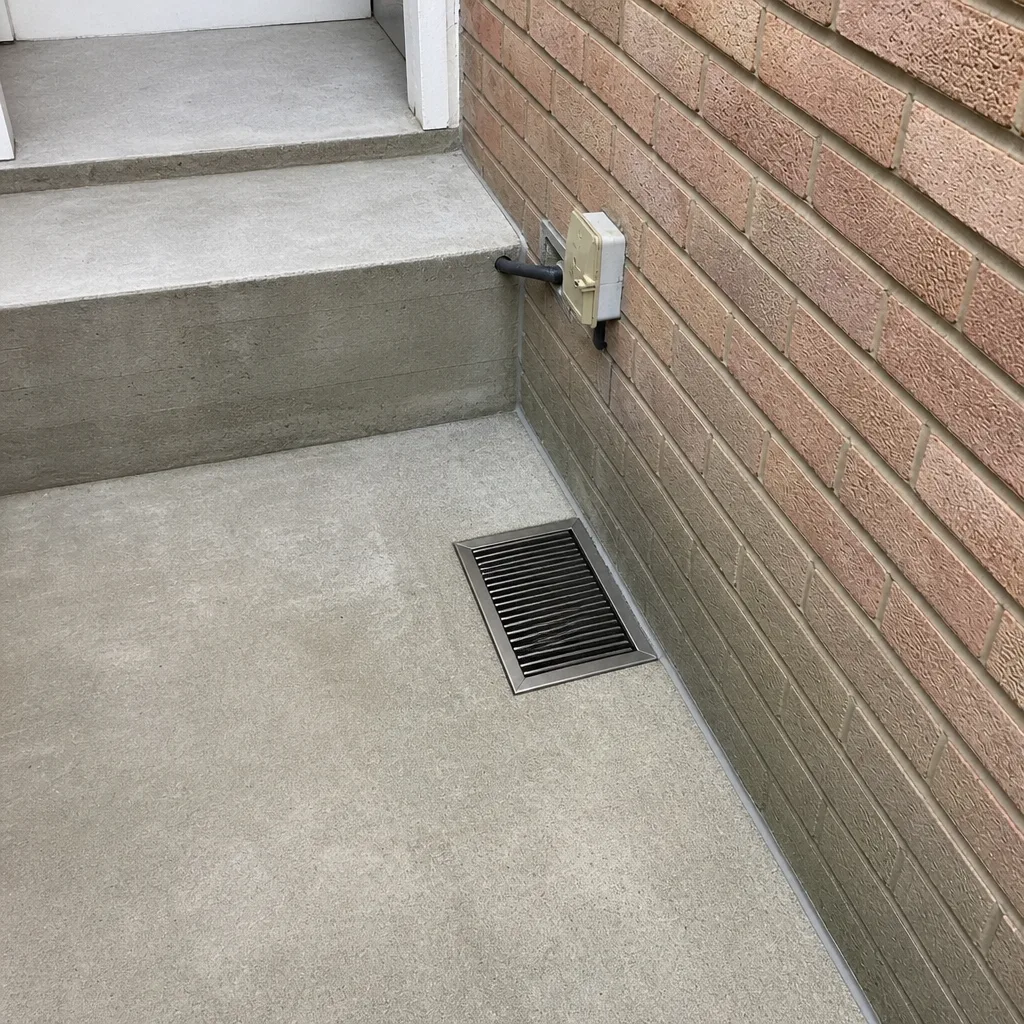 After
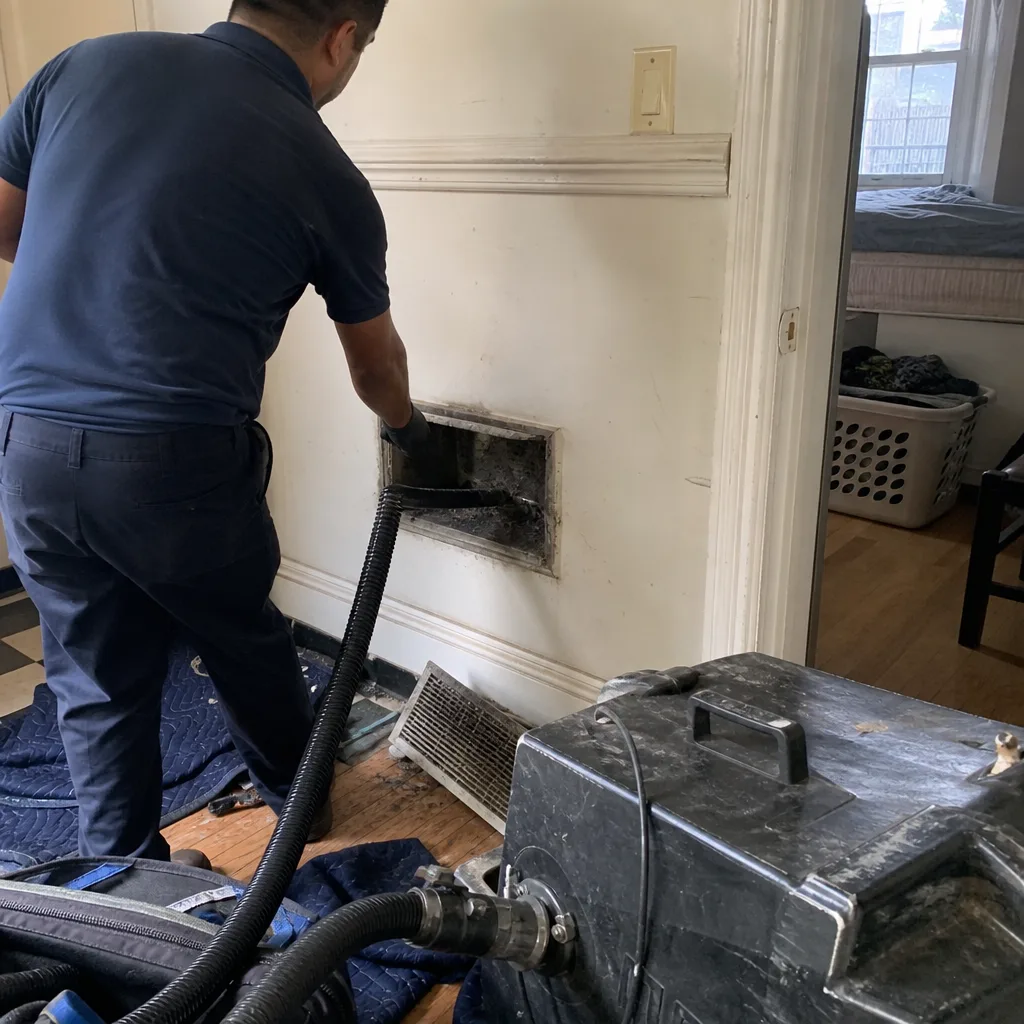 Before
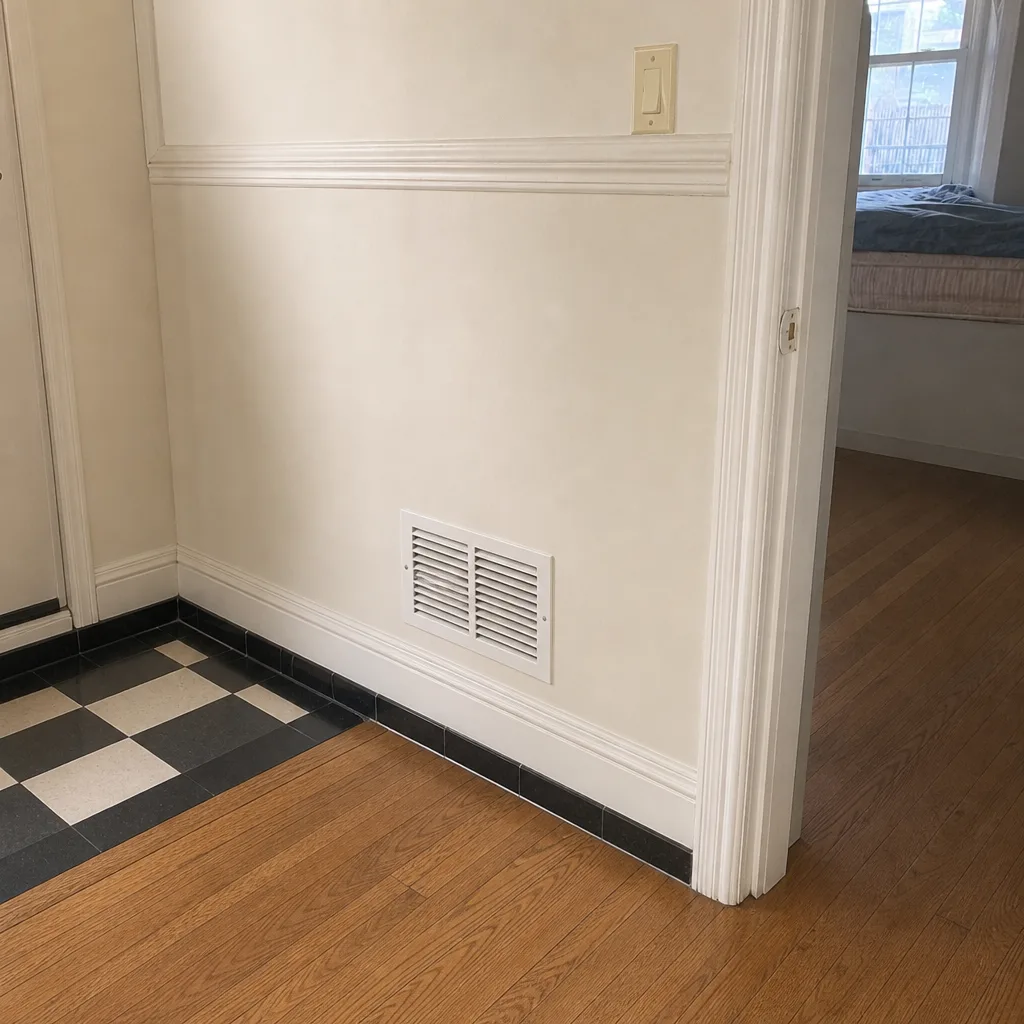 After
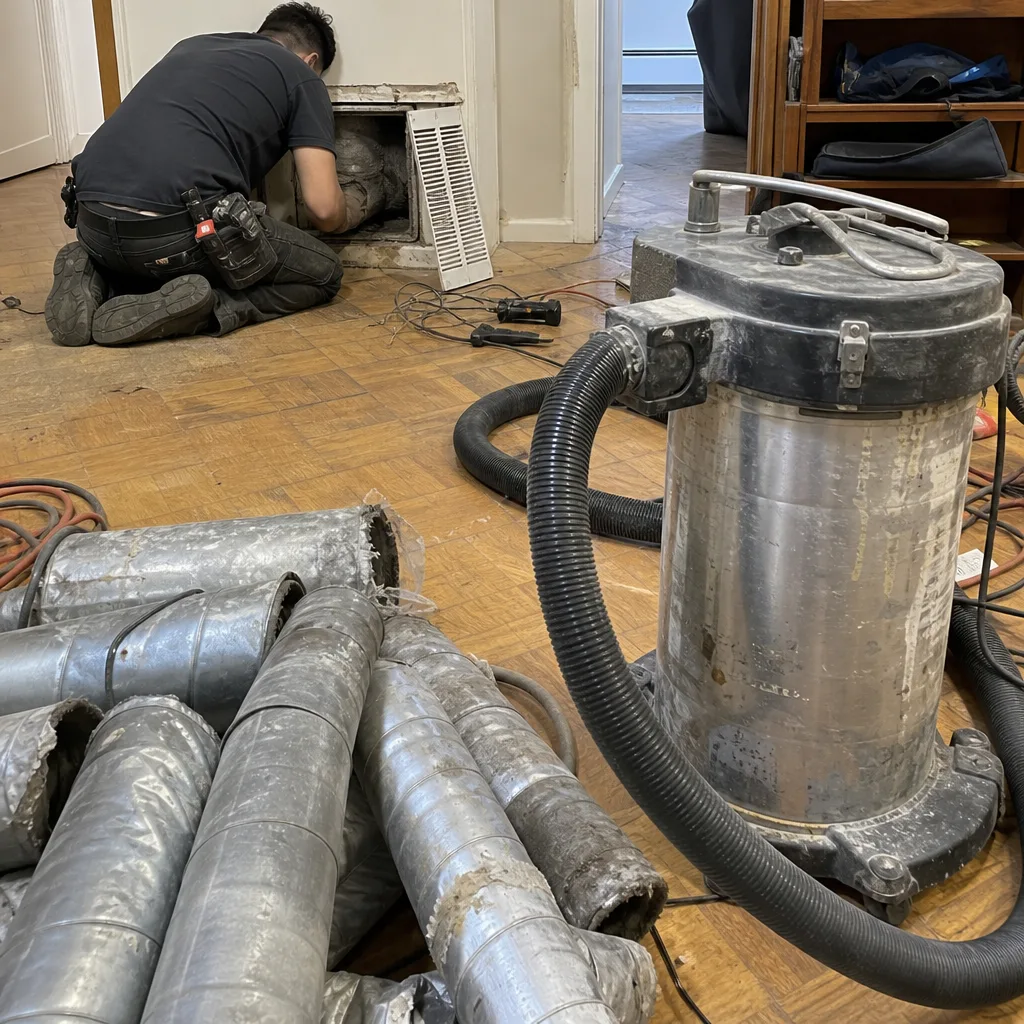 Before
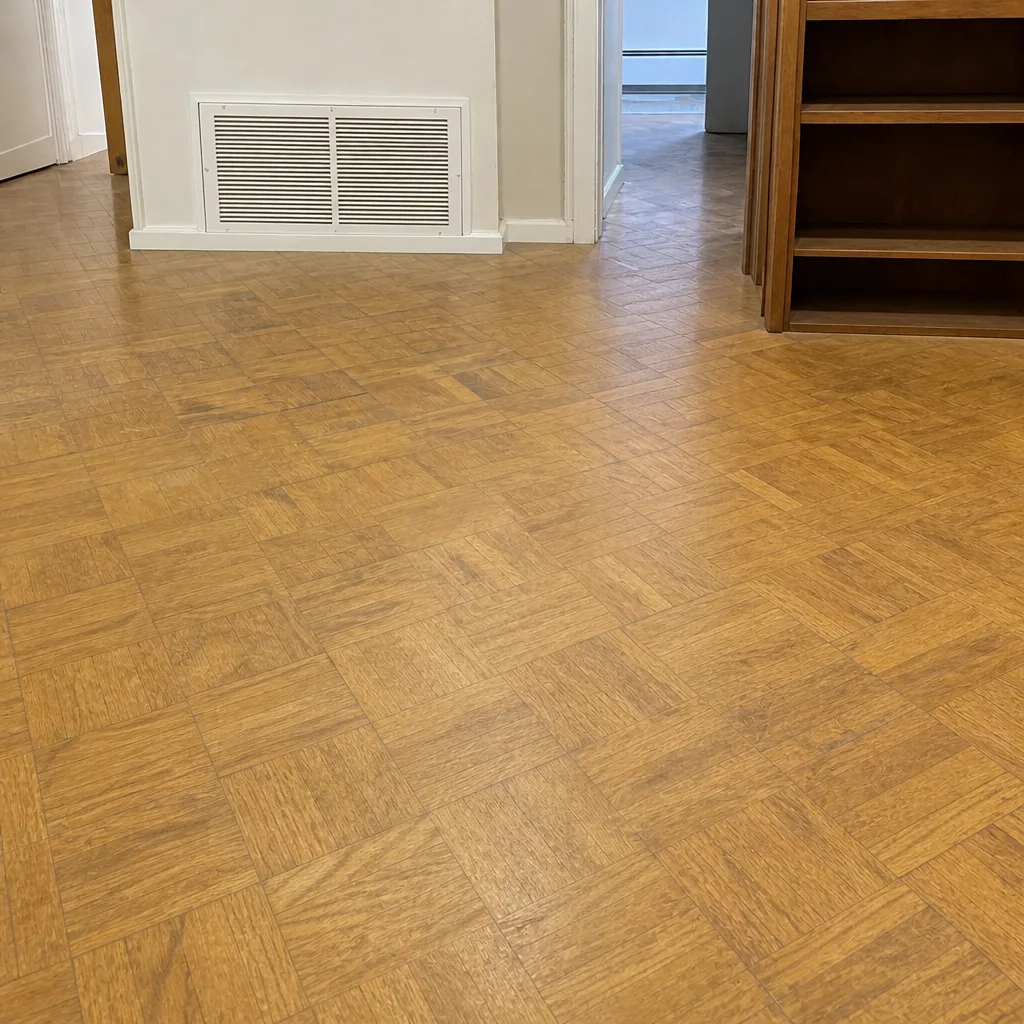 After
When to Call a Professional
Some situations clearly warrant a professional rather than a wait-and-see. If you’ve just finished a gut renovation and the ducts haven’t been touched since, call. If you can see visible dust buildup on the register grilles and it returns within days of wiping, call. If anyone in the household has allergies or respiratory sensitivity that gets worse when the heat or AC runs, that’s a strong signal. If the apartment has a musty smell that doesn’t go away when you clean the floors, the source may be in the ducts or the air handler. If you’ve never had the ducts or the dryer vent cleaned and you don’t know the history of the unit, have both inspected. Air Duct Cleaning Hell’s Kitchen offers free estimates in Hell’s Kitchen – call (833) 468-5937.
Frequently Asked Questions
Typical estimates for a Hell’s Kitchen apartment run from $350 to $600 for one or two bedrooms with accessible runs, and $550 to $900 for larger units with multiple returns. HVAC cleaning adds $300 to $650, and drier vent cleaning runs $150 to $300. The written estimate sets the final price, and estimates are free. Call (833) 468-5937 for an exact quote – estimates are free.
Cheap quotes usually mean shop vacs instead of rotary-brush and negative-air equipment, no containment, no access panels cut, and no verification documentation. In older Hell’s Kitchen buildings with tight duct layouts, that approach physically cannot reach the contamination. It’s not a cheaper version of the job – it’s a different, incomplete one. Call (833) 468-5937 for a quote that reflects the actual work.
Ask for before-and-after photos of your own ducts, inspection camera footage of the runs, and airflow readings at the registers before and after. Any openings cut for access should be sealed and finished. A professional service produces all of this without being asked twice. Call (833) 468-5937 to book a job that documents itself.
National guidance suggests every three to five years, but that number was not written for ground-floor apartments on Midtown West truck routes or for buildings where renovation dust never got cleared. In Hell’s Kitchen, condition matters more than the calendar – an inspection tells you more than a schedule does. Call (833) 468-5937 to have your ducts looked at.
Yes, for the branch ducts and registers inside your apartment. The shared risers and central air handler belong to the building and typically require management coordination. Cleaning your branches still improves your air, and we’ll tell you clearly what’s in scope and what needs management involvement. Call (833) 468-5937 to discuss your building.
Yes. Dryer vent cleaning is part of our standard service scope, which matters in Hell’s Kitchen where vents often run long with multiple turns through interior walls. Lint accumulation in a long run is a real fire-safety concern, not a cosmetic one. Call (833) 468-5937 to book a dryer vent inspection alongside your duct work.
The Bottom Line
Hell’s Kitchen doesn’t fit the standard duct cleaning playbook. Pre-war retrofits, lined postwar trunks, shared risers, and constant traffic particulate create a different problem than a suburban house with an accessible basement – and that problem needs equipment that can reach it, containment that keeps it out of your apartment, and verification that proves the work happened. Flat pricing per system, agreed before work starts, plus before-and-after photos of your own ducts, are the baseline you should expect. Our technicians have up to 14 years of experience and the equipment stack to match the building. One call covers cleaning, repair, and sanitizing.
Ready to get it done right? Call (833) 468-5937 for a free estimate. We answer 24/7. Fast dispatch from 7am to 7pm, Sunday through Friday.
For the full service overview, start with Air Duct Cleaning Hell’s Kitchen. We also cover HVAC cleaning and dryer vent cleaning as part of the same visit.
Written by the team at Air Duct Cleaning Hell’s Kitchen.