
Last updated November 22, 2026
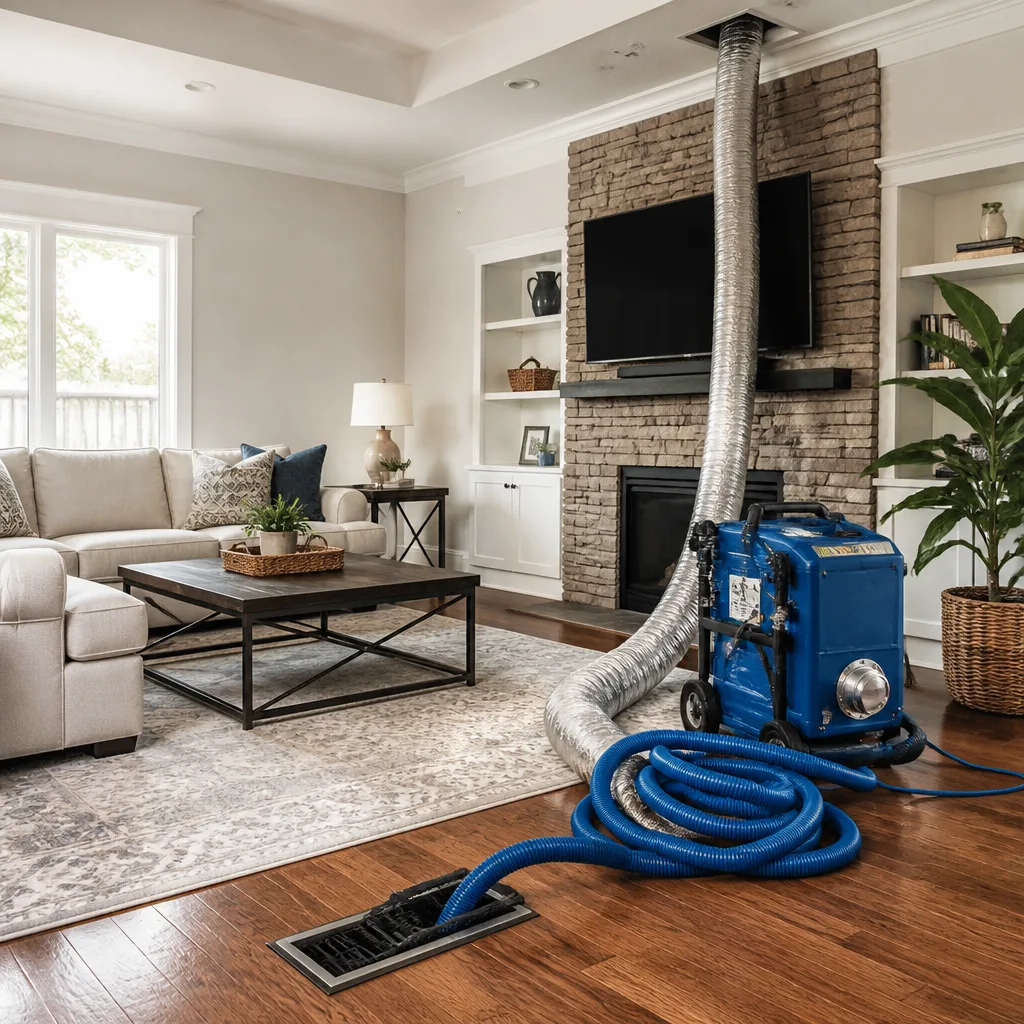 Whole-home duct cleaning
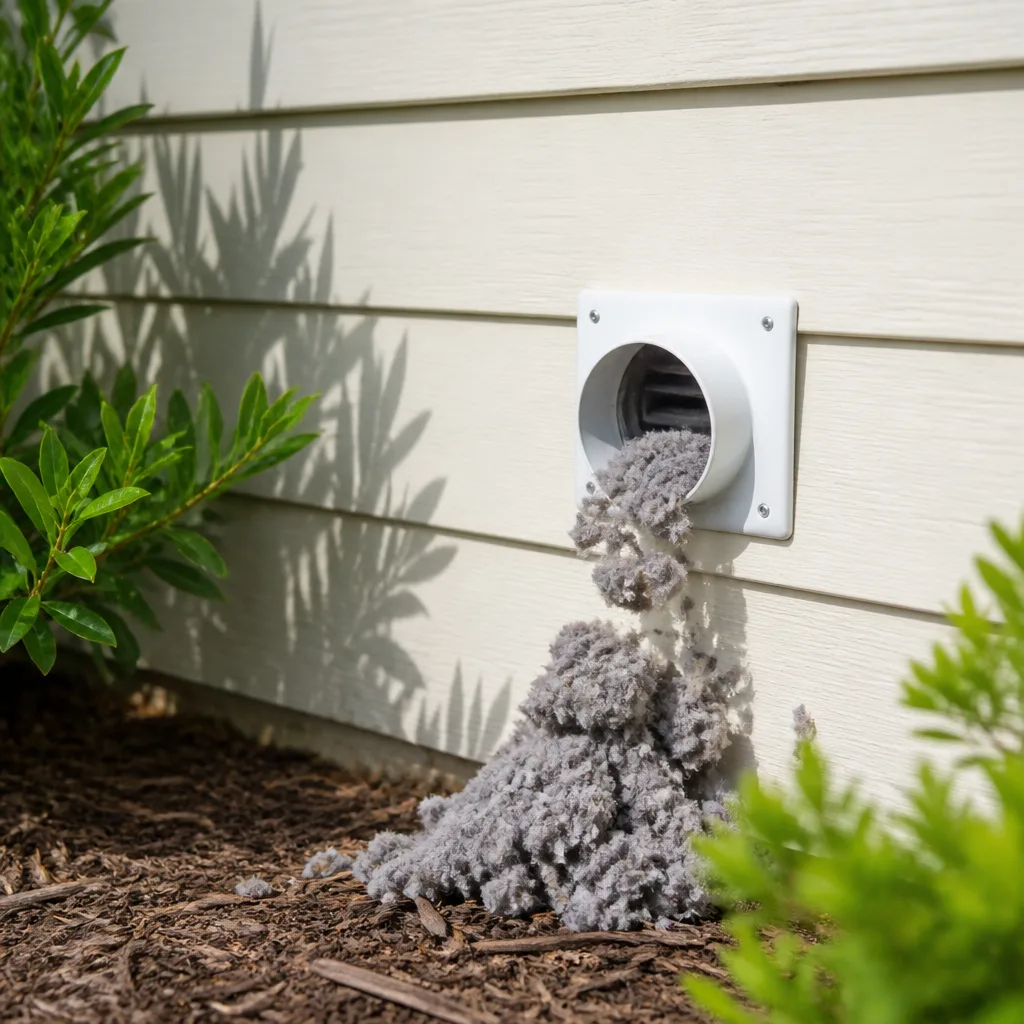 Dryer vent cleaning
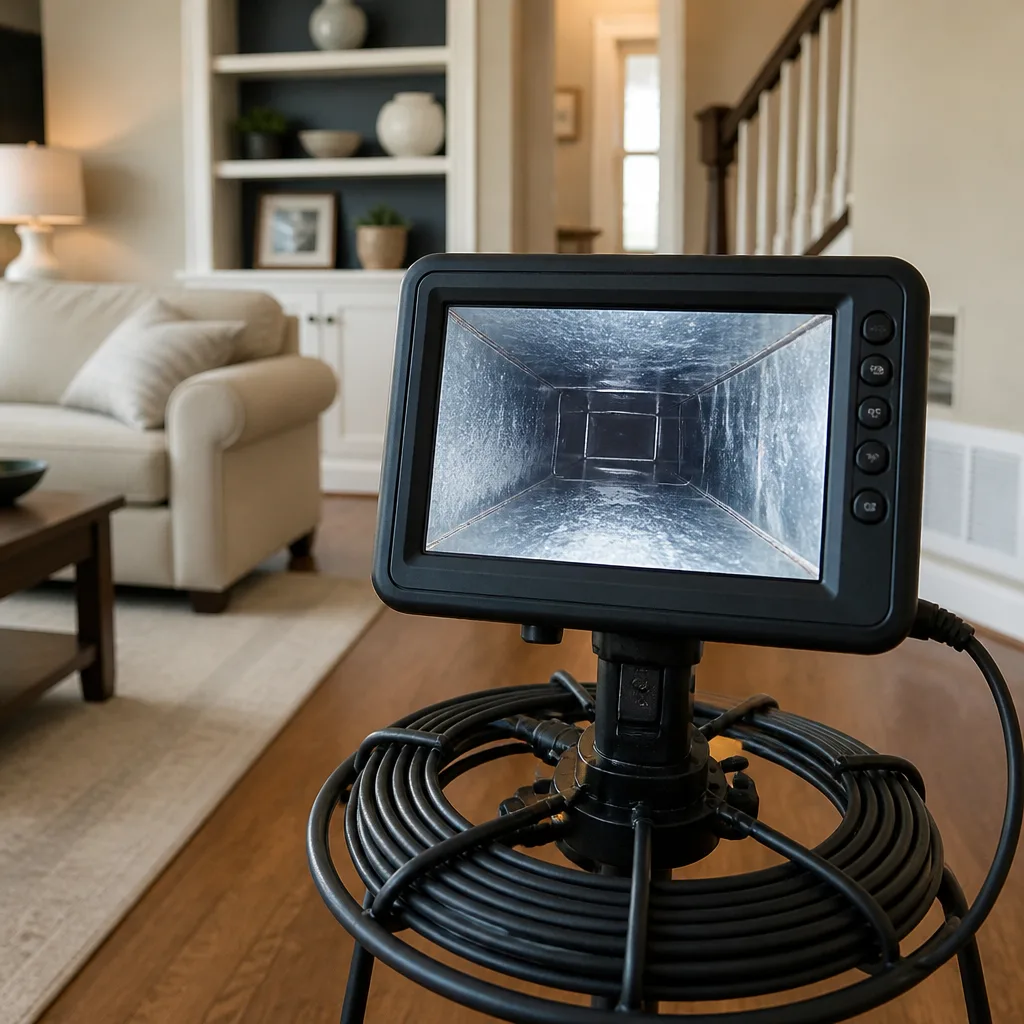 Camera inspection
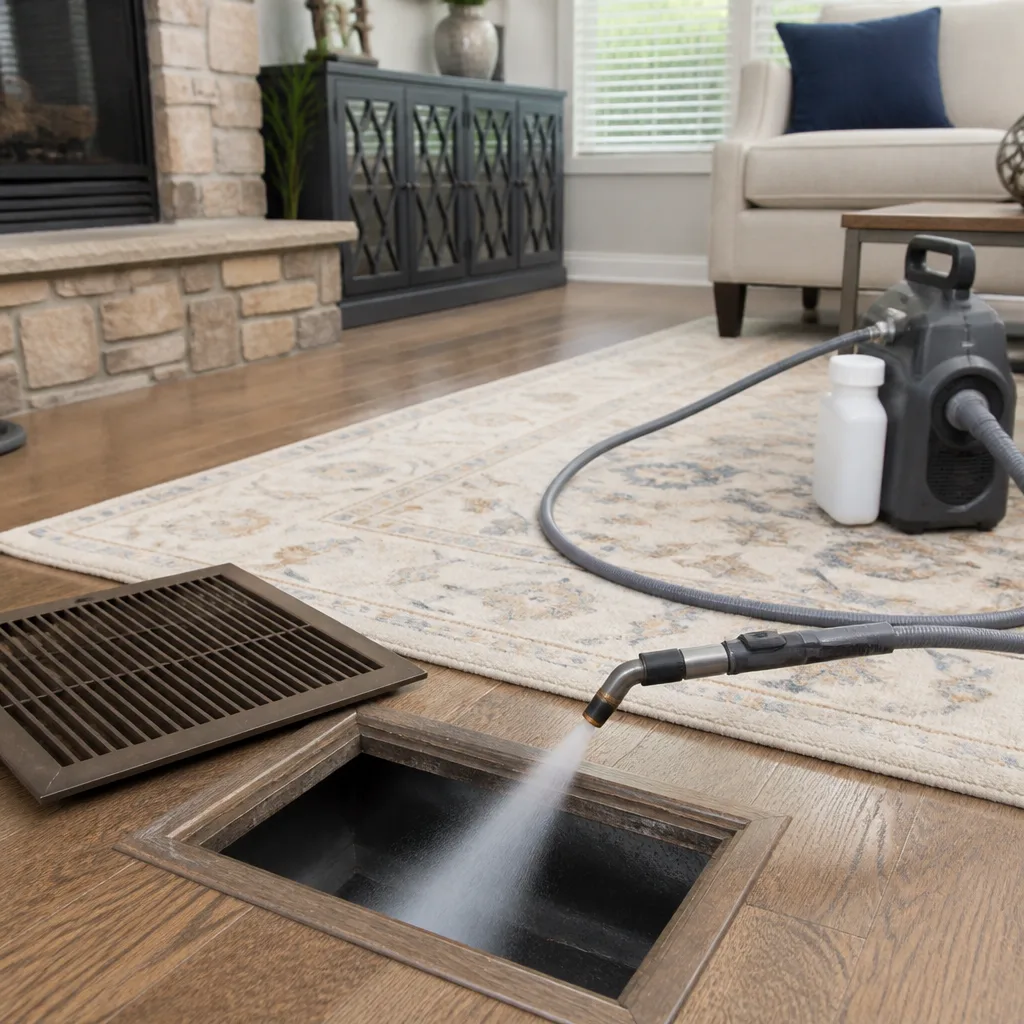 Sanitizing & deodorizing
Whole-system duct and dryer vent check with before-and-after photos - you see exactly what came out of your vents
That "$99 whole-house special" is a bait ad - the real number appears once they are in your hallway, or the "clean" is a shop-vac at the register. We photograph the inside of your ducts before and after instead.
DIY vs Professional Air Duct Cleaning: The Hell’s Kitchen Homeowner’s Decision Guide
A shop vac with a hose extension can clean the first 18 inches of a duct branch with reasonable effectiveness. The problem is that the contamination driving your air quality complaints is typically 4 to 12 feet in, which is exactly where consumer equipment loses suction, loses agitation, and stops working. That’s the part most DIY advice skips: the question isn’t whether you’re handy enough, it’s whether any handheld tool can reach the dirt and pull it out against the airflow. In this guide we’ll walk through the equipment physics, what Hell’s Kitchen buildings actually allow, the jobs DIY can genuinely handle, the jobs where it backfires, and a dollar framework for deciding.
Quick Answer
Consumer equipment can handle surface cleaning at the registers and grilles, but it cannot extract settled contamination from the middle and far ends of a duct run. In Hell’s Kitchen, co-op and high-rise rules often restrict resident access to shared ductwork anyway, which tips most jobs toward professional cleaning with industrial negative-air equipment. DIY is a useful supplement for maintenance between pro visits; it’s not a substitute for the extraction work itself.
Styles & brands we work with
- Whole-home duct cleaning
- Dryer vent cleaning
- Camera inspection
- Sanitizing & deodorizing
Table of Contents
- The Physics Problem: Why Reach and Suction Decide the Answer
- What DIY Can Legitimately Accomplish (and How to Do It Right)
- Hell’s Kitchen Building Rules: Co-ops, High-Rises, and Shared Ducts
- When DIY Makes Contamination Worse
- The Real Cost Math: What DIY Saves and What It Doesn’t
- A Five-Step Decision Framework
- Neighborhood Realities That Shape the Choice
- Signs You’ve Crossed From “Maintenance” Into “Needs a Pro”
The Physics Problem: Why Reach and Suction Decide the Answer
Duct cleaning comes down to two things moving in opposite directions: agitation, which loosens debris from the duct wall, and extraction, which pulls that debris out before it settles again. A shop vac does both badly at distance. Its airflow drops sharply as the hose lengthens, its brush attachments don’t spin, and its filter clogs quickly in a dust-heavy environment. By the time you’re four feet into a branch run, you’re mostly stirring dust rather than removing it.
Professional systems are built around that exact limitation. A Rotobrush rotary-brush system feeds a spinning brush head through the duct on a flexible whip, so agitation happens continuously along the run, not just at the opening. A Nikro negative-air unit does the extraction: it creates sustained vacuum at the main trunk while the brush works, so loosened debris gets pulled toward the collection point instead of drifting into the room or deeper into the system. The two together solve the reach-and-suction problem in a way consumer tools can’t.
For buildings with shared mechanical systems or heavy contamination like a recent renovation, Abatement Technologies containment equipment adds a third layer: negative-air pressure at the work zone, so anything disturbed during cleaning stays inside the containment boundary. That’s remediation-grade practice, and it’s the reason a serious air duct cleaning in a Hell’s Kitchen apartment building looks nothing like a homeowner with a vacuum and a ladder.
The practical takeaway: the physics are not skill-dependent. A careful, capable homeowner using consumer equipment still hits the same wall at the same distance. That’s what makes the decision a tooling question, not a competence question.
What DIY Can Legitimately Accomplish (and How to Do It Right)
DIY duct work is not a waste of time. It’s a genuinely useful maintenance layer, as long as you’re honest about what it covers: the accessible surfaces where dust accumulates fastest and where homeowners can see results.
Register and grille cleaning (do this yourself)
- Remove the register cover with a screwdriver and set it aside.
- Vacuum the visible dust off the face with a brush attachment. Wet-wipe painted metal rather than scrubbing it, especially if it’s older and possibly lead-painted.
- With the cover off, reach the first few inches of duct opening with a flexible crevice tool. This is the zone where consumer equipment actually works.
- Reinstall the cover snugly. A loose grille whistles and lets dust leak past the seal.
Grille washing in a sink or tub
Grilles accumulate cooking grease faster than duct interiors do, especially in Hell’s Kitchen kitchens where a galley layout puts the range close to a wall register. A warm soak with dish soap and a soft brush removes the film that traps dust. Let them dry fully before reinstalling to avoid rust streaks.
Accessible plenum vacuuming
If you have a utility closet with exposed return plenum and the building permits access, HEPA vacuuming of the outside surfaces and the immediate interior is reasonable maintenance. The limit is the same as everywhere else: as soon as the duct disappears into a wall chase or ceiling, the consumer tool stops being effective.
The strict don’ts
- Don’t feed a shop-vac hose blindly down a branch run to “see what’s in there.” You can dislodge a flexible connection or a turning vane.
- Don’t spray commercial foggers or “duct sanitizers” into the system yourself. Without containment, you’re adding moisture and chemistry to a dust environment.
- Don’t remove sealed access panels on shared systems. That’s a building-management call, not a homeowner one.
Treated this way, DIY is a good supplement between air duct cleaning Hell’s Kitchen visits. It is not a replacement, and treating it as one is the single most common mistake we see.
Hell’s Kitchen Building Rules: Co-ops, High-Rises, and Shared Ducts
Here’s the piece most DIY research misses: in a large share of Hell’s Kitchen apartments, the ducts aren’t yours to clean. Walk-ups and small conversions may have individual systems serving a single unit, but a lot of the neighborhood’s mid-rise and high-rise stock shares returns, risers, or common exhaust between units. Even where the branch is technically yours, the access path may pass through a wall or ceiling configured by the building.
What that means in practice:
- Co-op alteration agreements often spell out who can open walls, ceilings, or mechanical chases, and what insurance or licensed-contractor paperwork is required first. A do-it-yourself reach into a sealed chase can violate the agreement even if the intent is harmless.
- Shared ductwork creates cross-unit consequences. Pushing dust out of one branch can send it toward a neighbor’s return, which is a complaint you don’t want to field.
- Building-managed systems sometimes mean the cleaning is scheduled centrally, and a resident’s DIY attempt ahead of that schedule actively complicates the job.
The result is that the practical decision for many Hell’s Kitchen residents isn’t DIY versus pro at all, it’s who’s allowed to open the system and who has the paperwork and equipment to do it correctly. Before you plan any DIY work past the registers, read your alteration clause or ask the building manager. The answer usually settles the debate quickly. It’s also worth having the same conversation about HVAC cleaning, since shared mechanical systems carry the same access rules.
When DIY Makes Contamination Worse
Not all DIY attempts are neutral. Some actively create new problems or worsen an existing one. These are the four we’ve seen most often, and they’re worth knowing before you pick up the vacuum.
Pushing settled debris deeper into branch runs
Loosened dust that isn’t extracted will settle somewhere. If the extraction side is a shop vac pulling weak, intermittent suction, you’re moving debris rather than removing it. In a long branch run, “somewhere” is often further in, which makes a professional cleaning more involved rather than less.
Disturbing mold without containment
If there’s any mold growth in a duct (visible dark spotting near registers, musty smell when the system runs), agitating it without negative-air containment spreads spores into the room and into adjacent parts of the system. This is one of the clearest cases where a professional setup matters. We approach it with Guardsman-grade sanitizing applied after cleaning, targeting the growth at the source rather than spraying over it.
Dislodging flexible duct connections
Flexible duct is easy to knock loose at joints and turning fittings. Once a connection separates inside a wall or ceiling chase, air bypasses the run entirely, which quietly undercuts the HVAC system the duct was meant to serve. The repair cost almost always exceeds what a professional cleaning would have cost in the first place.
Introducing moisture
Wet-wiping register faces is fine. Wiping down duct interiors, spraying “deodorizing” products, or using steam near ducts is not. Moisture in a duct environment feeds microbial growth, which is the opposite of the goal.
Damaging the plenum seal
Sealed plenum connections matter for system efficiency. A homeowner who opens one to “look inside” and doesn’t reseal it properly introduces leaks that pull unconditioned air into the system. That’s a performance problem that gets expensive to diagnose later.
The Real Cost Math: What DIY Saves and What It Doesn’t
The dollar comparison people usually run is “DIY cost versus professional cost.” That comparison leaves out half the numbers. The more useful framing is “what does DIY save versus what does DIY leave unresolved, and what do those unresolved items cost to deal with later?”
Whole-system professional duct cleaning in the Hell’s Kitchen market typically runs in the low-to-mid hundreds to just over a thousand dollars depending on apartment size, system complexity, and whether duct repair, sealing, or sanitizing is part of the scope. The exact number depends on the job, and we always set it in a written estimate before work starts. For comparison, DIY consumables (HEPA filters, shop-vac bags, cleaning supplies over a year) run maybe a few dozen dollars total.
- What DIY saves: the service fee for surface cleaning, and the time to schedule a professional visit.
- What DIY does not address: extraction from mid-run and far-run duct sections, sanitizing at the microbial level, sealing leaks, or repairing damaged connections.
- What unresolved contamination costs downstream: filters that load faster than they should, HVAC components that need service sooner, and eventual duct work that’s pricier because it’s compounded.
- The realistic threshold: if you’re running the DIY routine more than twice a year and the air still smells like dust, the math has already tipped toward professional cleaning.
That’s not a sales pitch. It’s just arithmetic. Professional cleaning pays for itself when the alternative is repeated partial fixes that don’t resolve the underlying condition.
A Five-Step Decision Framework
Here’s a sequence that resolves the DIY-versus-pro question in about five minutes for most Hell’s Kitchen apartments.
- Check building access first. If the duct system is shared or sealed behind a chase, the answer is almost always professional. Confirm the alteration clause with the building manager.
- Do a visual inspection at the registers. Shine a light into the first few inches of each register. Light surface dust only? DIY maintenance likely handles it for now. Dark buildup, visible mold, or debris piles? Escalate to professional.
- Note the smell. If the system blows a musty or old-dust smell when it turns on, extraction is needed, not just surface cleaning. Musty smell often signals moisture at the source, which is a professional call.
- Check filter loading rate. If HVAC filters are loading faster than usual, contamination is moving through the system at a rate surface cleaning won’t touch.
- Decide by consequence, not by effort. Surface dust is a nuisance. Contamination in the duct run, mold growth, and leaks are system problems, and the downstream cost math typically favors professional work.
If any of the first four checks come back concerning, call us for a free estimate. If all four come back clean, DIY maintenance is a reasonable ongoing approach.
Neighborhood Realities That Shape the Choice
Hell’s Kitchen is a mixed neighborhood, and the housing stock varies enough that DIY feasibility shifts block to block. Several consistent factors shape the decision.
Pre-war buildings and galley kitchens. A lot of the residential stock runs ducts through tight chases and behind kitchen walls where access is limited even for professionals with the right equipment. Homeowners attempting DIY in these layouts rarely have a clean path to the branch interior.
Cooking grease loading. Hell’s Kitchen sits in a dense restaurant district, but that doesn’t change what happens in residential ducts: cooking in small kitchens with limited exhaust leans hard on the HVAC recirculation. Grease film on duct walls traps dust, and it takes more agitation than a consumer brush can produce to break it down.
Recent renovations. Renovation dust is finer, dryer, and more mobile than typical settled house dust. It travels further into duct runs and it’s the exact contamination type that a shop vac handles worst. If you’ve just renovated, skip the DIY attempt and schedule professional cleaning with containment.
Dryer vent safety. We mention this because it comes up alongside duct work: dryer vent cleaning is a fire-risk reduction task, and it’s typically not something to DIY in an apartment with a long vent run and limited access to the exterior termination. Professional scope on that job is safer and more thorough.
The filtration side. Familiarity with Honeywell and Aprilaire whole-home filtration and humidity control matters here because many Hell’s Kitchen units run one of those systems or could benefit from one. The duct cleaning decision overlaps with the filtration decision, and both benefit from walking through the trade-offs with someone who works on both.
Signs You’ve Crossed From “Maintenance” Into “Needs a Pro”
These are the signals that mark the line between a DIY-maintenance situation and one that needs professional extraction, repair, or sanitizing:
- Persistent musty or stale smell when the HVAC system runs.
- Visible dark buildup inside a register opening, past the surface dust layer.
- Allergy symptoms that spike when the system is running and settle when it’s off.
- Filters loading noticeably faster than they used to.
- Renovation dust in the air weeks after the work is finished.
- Known moisture intrusion, water damage, or a history of leaks in the space.
- Dryer taking longer to dry loads, or the exterior vent flapper sticking.
Any two of these together is a reasonable threshold for scheduling a professional visit. It’s not a fire alarm; it’s a maintenance signal.
Common Mistakes to Avoid
- Assuming a shop vac is “good enough.” The first eighteen inches get clean. The contamination problem usually lives 4 to 12 feet in, where consumer suction drops off.
- Skipping the building check. In Hell’s Kitchen co-ops and high-rises, opening a sealed chase can violate an alteration agreement even if the work is technically safe.
- Treating a musty smell as a cleaning problem. Musty often means moisture or microbial growth at the source. That’s a sanitizing and diagnosis job, not a vacuuming one.
- Spraying deodorizers into the system. A mask over a problem, and it adds moisture to a dust environment. It usually makes the smell worse over time.
- Attempting DIY immediately after a renovation. Fine renovation dust is the worst candidate for consumer equipment, and the highest-value professional cleaning case.
- Ignoring dryer vent cleaning as a “duct-adjacent” side task. Long vent runs in apartments are a genuine fire-safety issue, and they’re also the wrong DIY target.
- Running the DIY routine repeatedly because it “sort of works.” If you’re re-doing the registers every few weeks because the dust returns, extraction is overdue.
See the difference
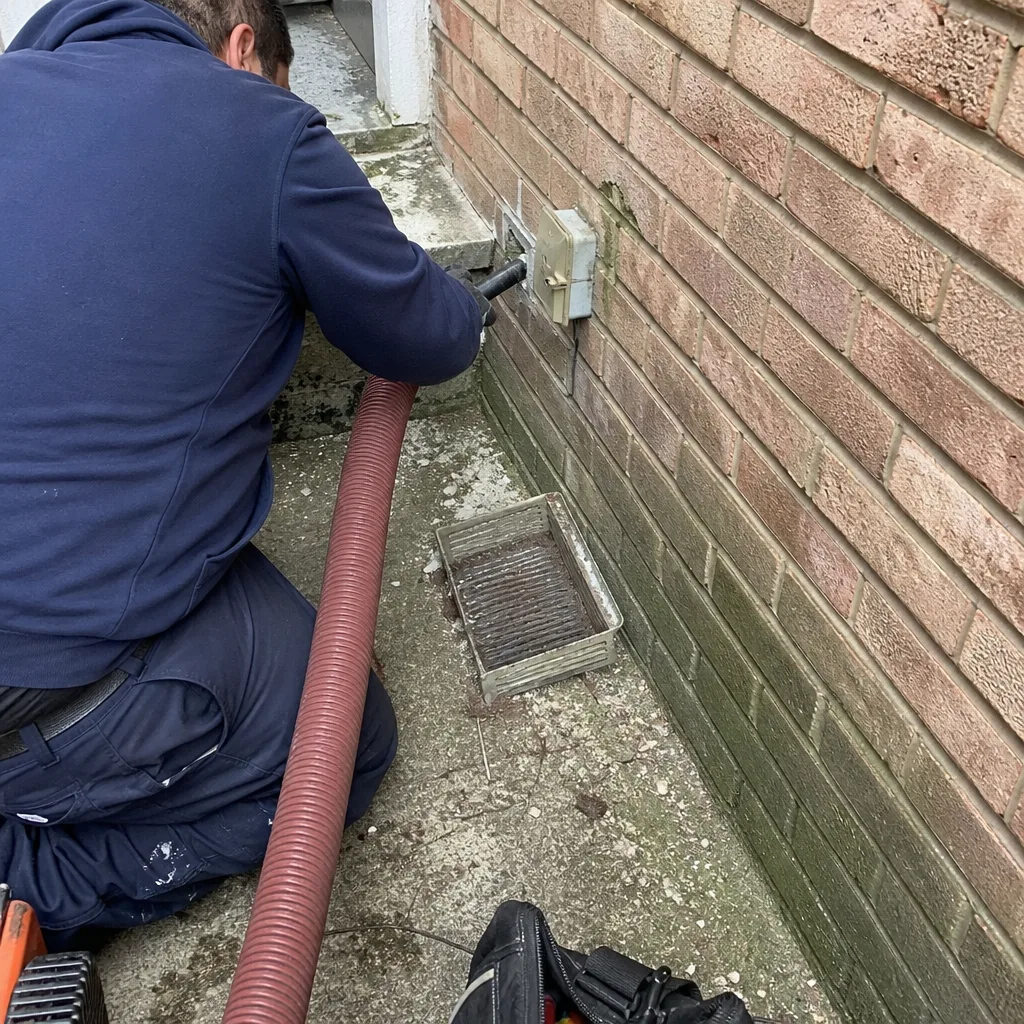 Before
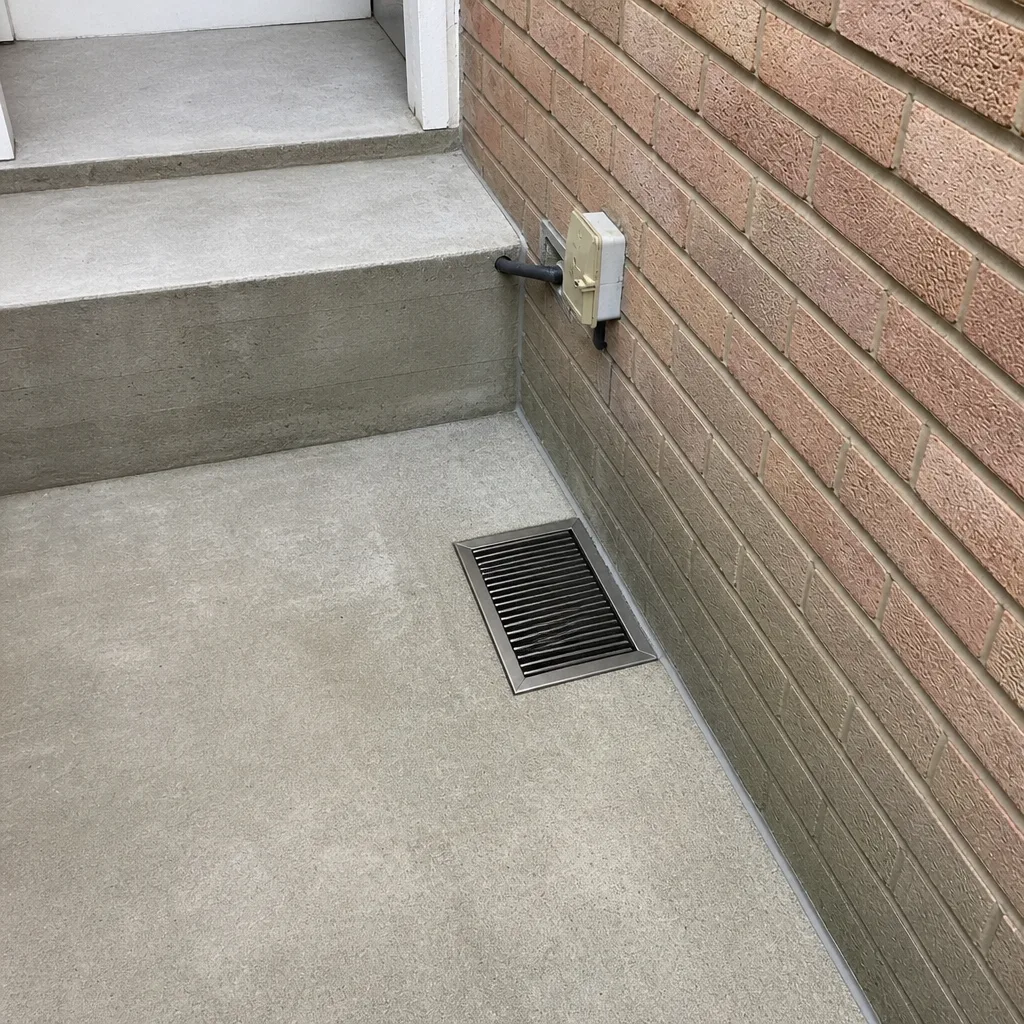 After
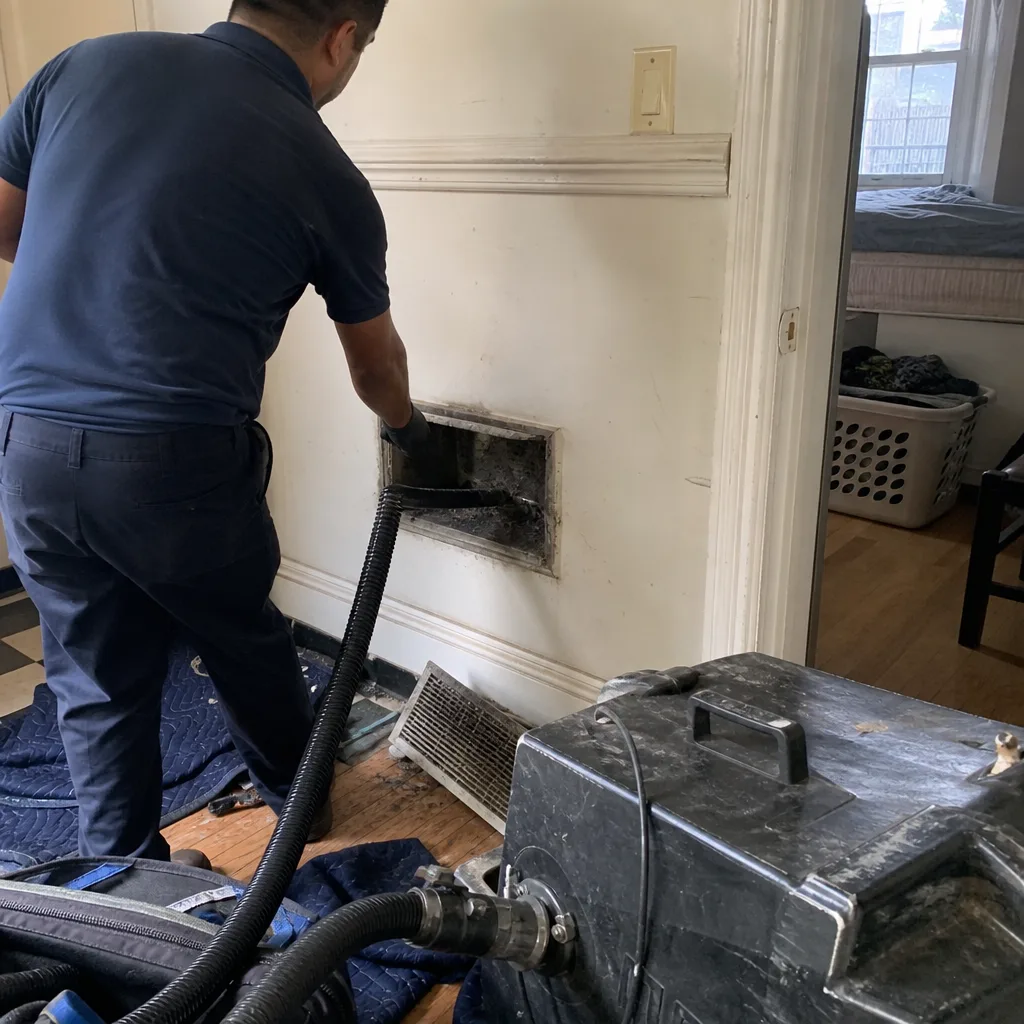 Before
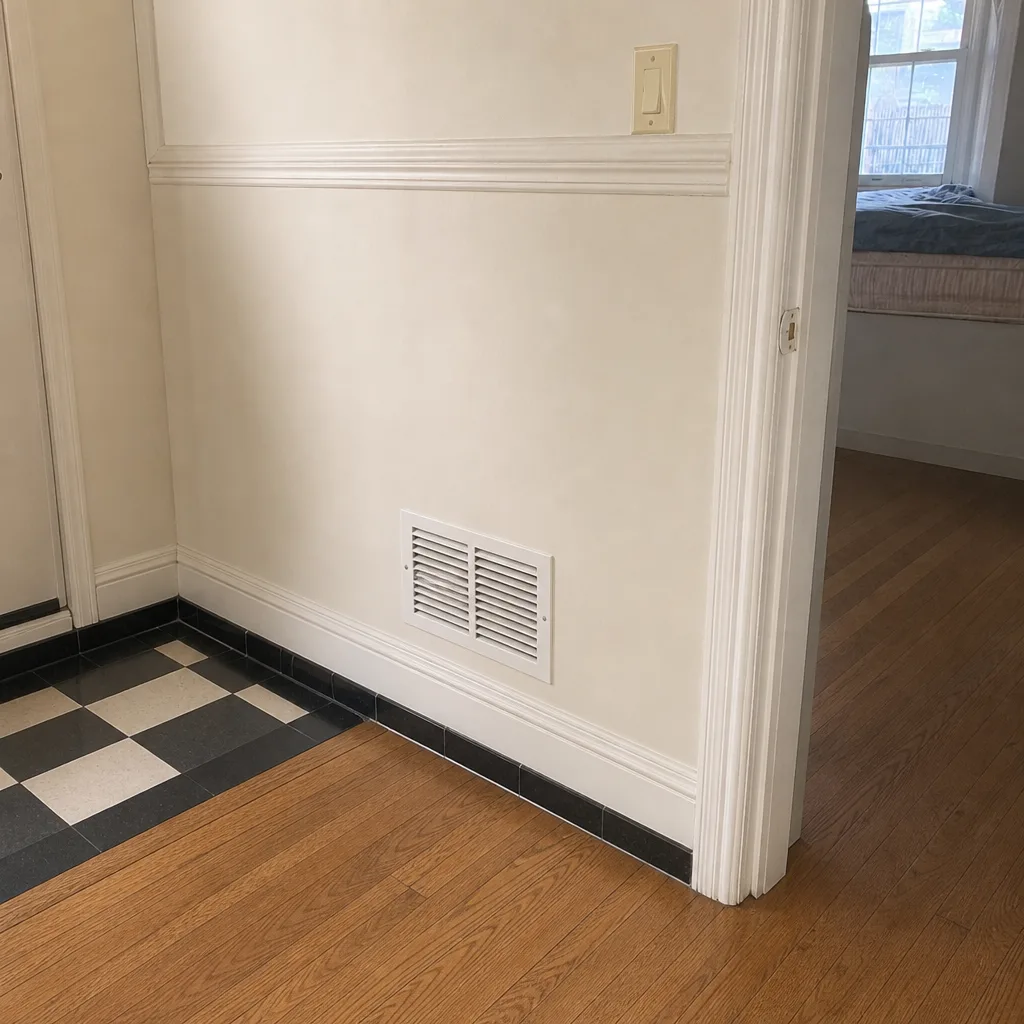 After
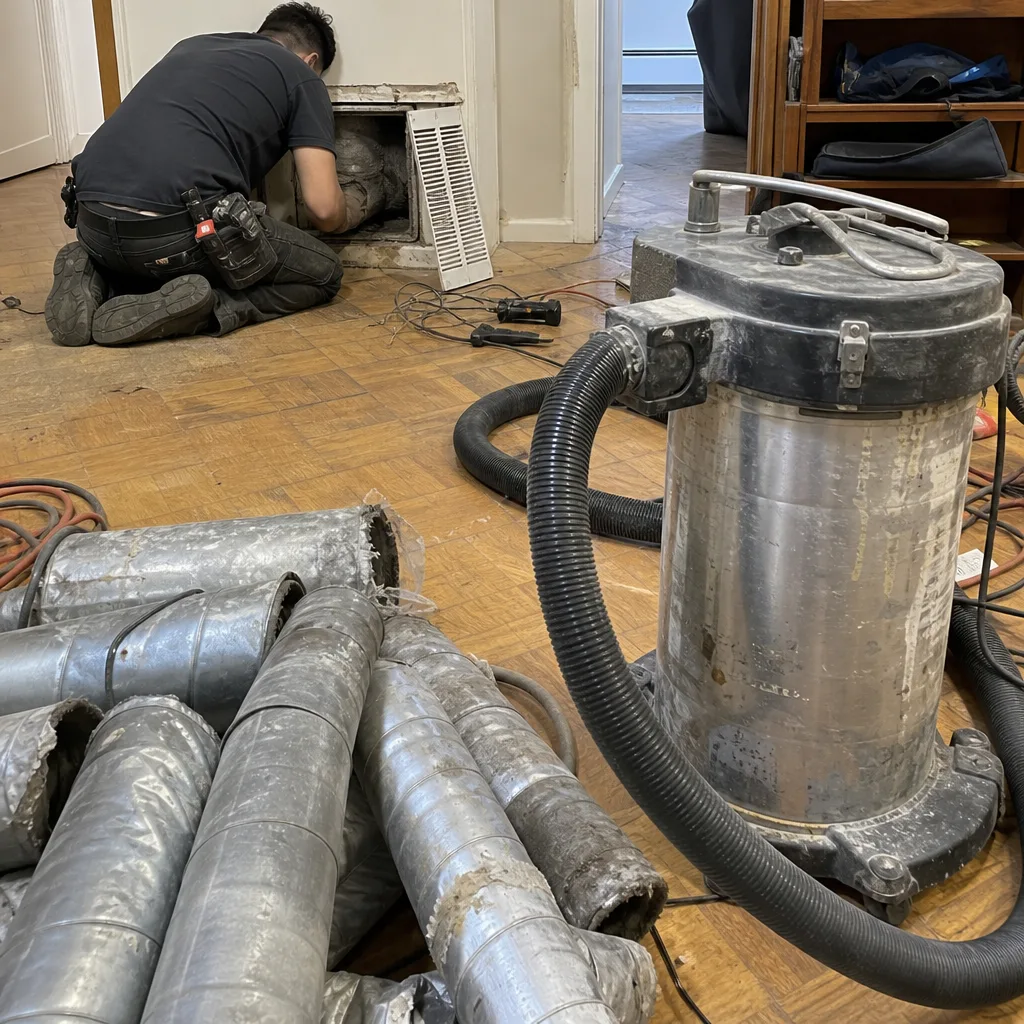 Before
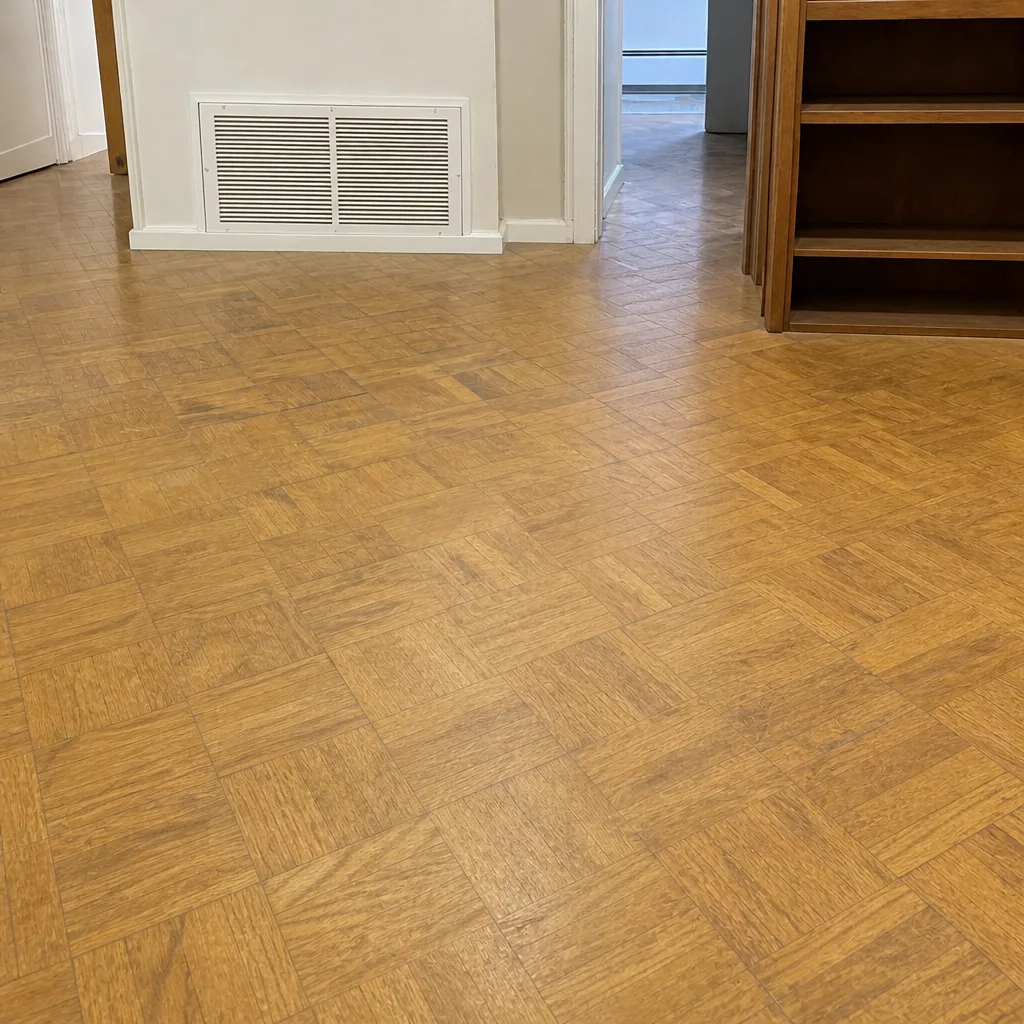 After
When to Call a Professional
Call a professional if any of these are true: the duct system is shared or sealed, the air smells musty, you’ve just renovated, registers show dark buildup past surface dust, the HVAC filter is loading faster than usual, or your DIY maintenance routine keeps producing results that don’t hold. Co-op rules, high-rise access limits, and tenant protections in Hell’s Kitchen make professional cleaning the safer and more thorough choice for the majority of apartments that have any of those conditions. Air Duct Cleaning Hell’s Kitchen offers free estimates in Hell’s Kitchen, call (833) 468-5937. We answer 24/7. Fast dispatch from 7am to 7pm, Sunday through Friday.
Our technicians have up to 14 years of experience, and every job is priced per system in a written estimate agreed before work starts. You know the cost before anyone touches the ductwork, and you see before-and-after photos of your own system when the work is done.
Frequently Asked Questions
Yes, as a maintenance supplement. Cleaning register covers, washing grilles, and HEPA vacuuming accessible plenum surfaces are all reasonable DIY tasks in a Hell’s Kitchen apartment. They are not a substitute for extraction from the mid-run and far-run duct sections, which is where consumer equipment stops being effective.
Typical whole-system pricing in the Hell’s Kitchen market runs in the low-to-mid hundreds to just over a thousand dollars depending on apartment size and scope, with duct repair, sealing, and sanitizing priced as part of the estimate when needed. There is no per-vent pricing, and the written estimate sets the final price before any work starts. Call (833) 468-5937 for an exact quote. Estimates are free.
Cheap quotes usually reflect a smaller scope: surface cleaning only, no negative-air equipment, no containment, no sanitizing, and often no before-and-after verification. The work doesn’t address the contamination driving the actual problem, and the reasonable question to ask is what equipment the crew is bringing and what “done” looks like. Call (833) 468-5937 for an exact quote. Estimates are free.
Before-and-after photos of your own ductwork are the simplest verification, and they should show the interior surfaces of the system you paid to clean. If a contractor can’t or won’t provide them, that’s the answer to your question. Call (833) 468-5937 to schedule a visit with photo documentation. Estimates are free.
Most apartments don’t need it on a fixed schedule. The real triggers are renovation, visible contamination, persistent musty smell, or filter loading that’s clearly accelerated. In Hell’s Kitchen co-ops and high-rises, the answer also depends on whether the building schedules central cleaning. Call (833) 468-5937 for an exact quote. Estimates are free.
It’s common in Hell’s Kitchen co-ops and high-rises with shared returns, risers, or sealed chases. If your alteration agreement or building manager restricts access, the DIY question is already decided, and scheduling professional cleaning within the building’s rules is the way forward. Call (833) 468-5937 to talk through your specific building situation. Estimates are free.
The Bottom Line
The DIY versus professional decision in Hell’s Kitchen comes down to three things: what your building allows, how far contamination has spread into the duct run, and whether the problem is dust (surface) or microbial/moisture (systemic). DIY handles surface dust at registers and grilles well and is worth keeping as a maintenance routine. It cannot handle contamination 4 to 12 feet into a duct run, mold at the source, or leaks. If your building restricts access, or if any of the “needs a pro” signals show up, professional cleaning is the correct call. A written estimate makes the cost clear before any work begins.
When you’re ready to have the work done right, with industrial-grade equipment from Rotobrush, Nikro, and Abatement Technologies, and with the option to add duct repair, sealing, and Guardsman sanitizing on the same single visit, call Air Duct Cleaning Hell’s Kitchen at (833) 468-5937 for a free estimate. We answer 24/7. Fast dispatch from 7am to 7pm, Sunday through Friday. We don’t just clean; we seal, repair, and sanitize, so the underlying problem gets fixed rather than masked. Industrial-grade equipment, residential results.
Written by the team at Air Duct Cleaning Hell’s Kitchen.