
Last updated November 22, 2026
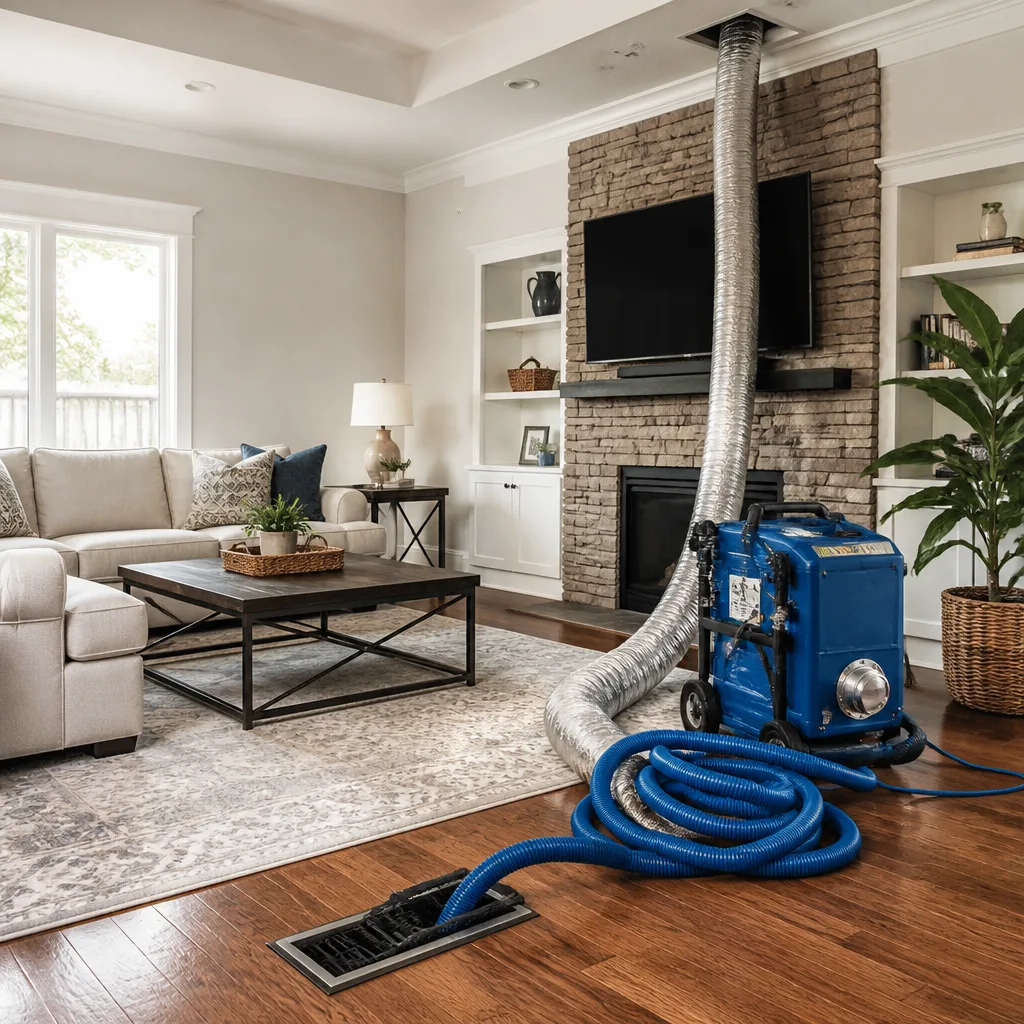 Whole-home duct cleaning
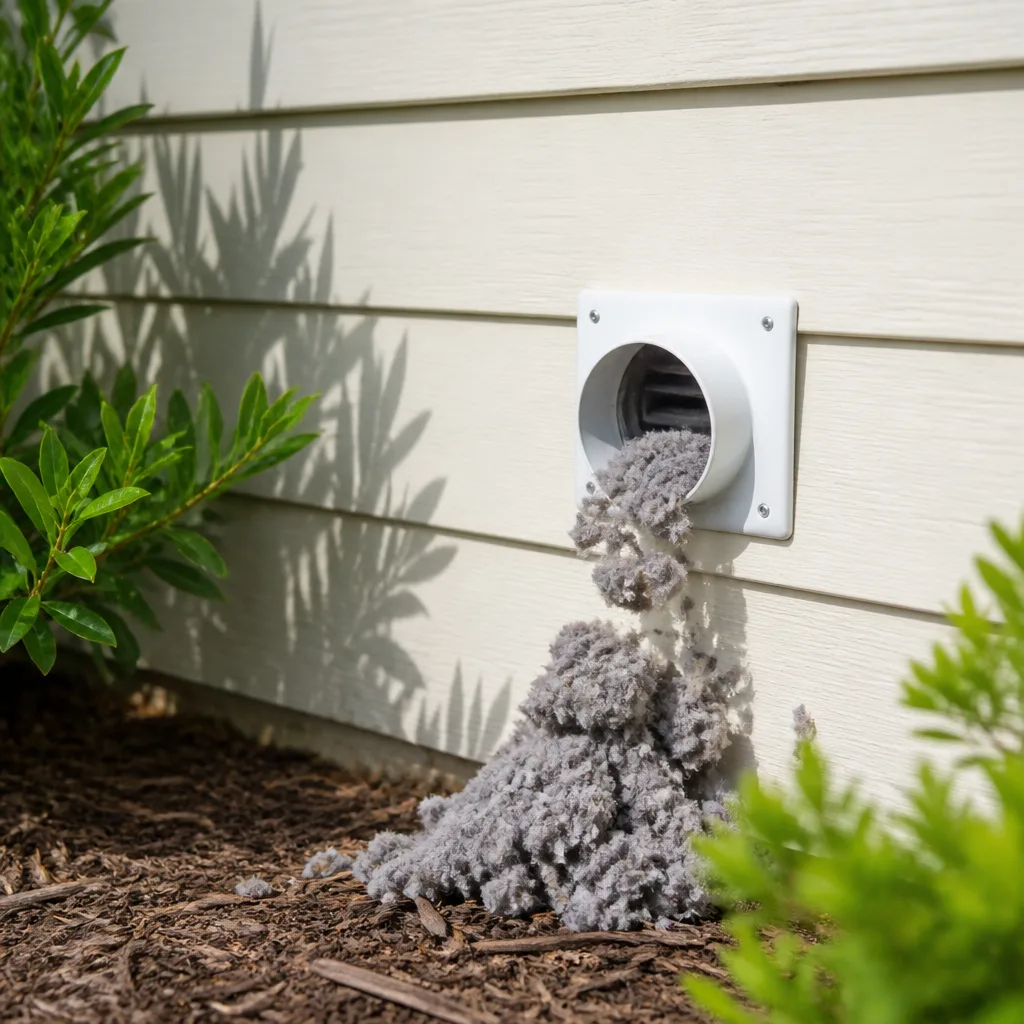 Dryer vent cleaning
 Camera inspection
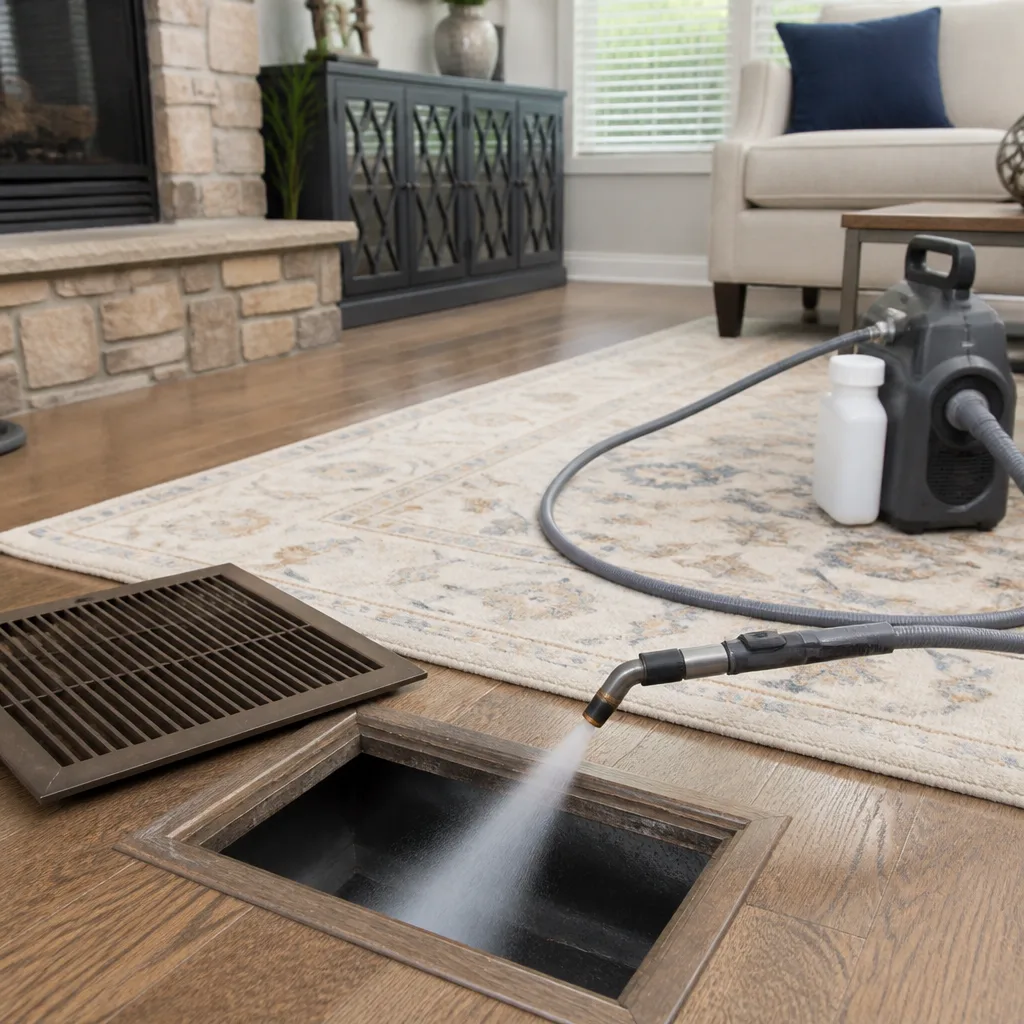 Sanitizing & deodorizing
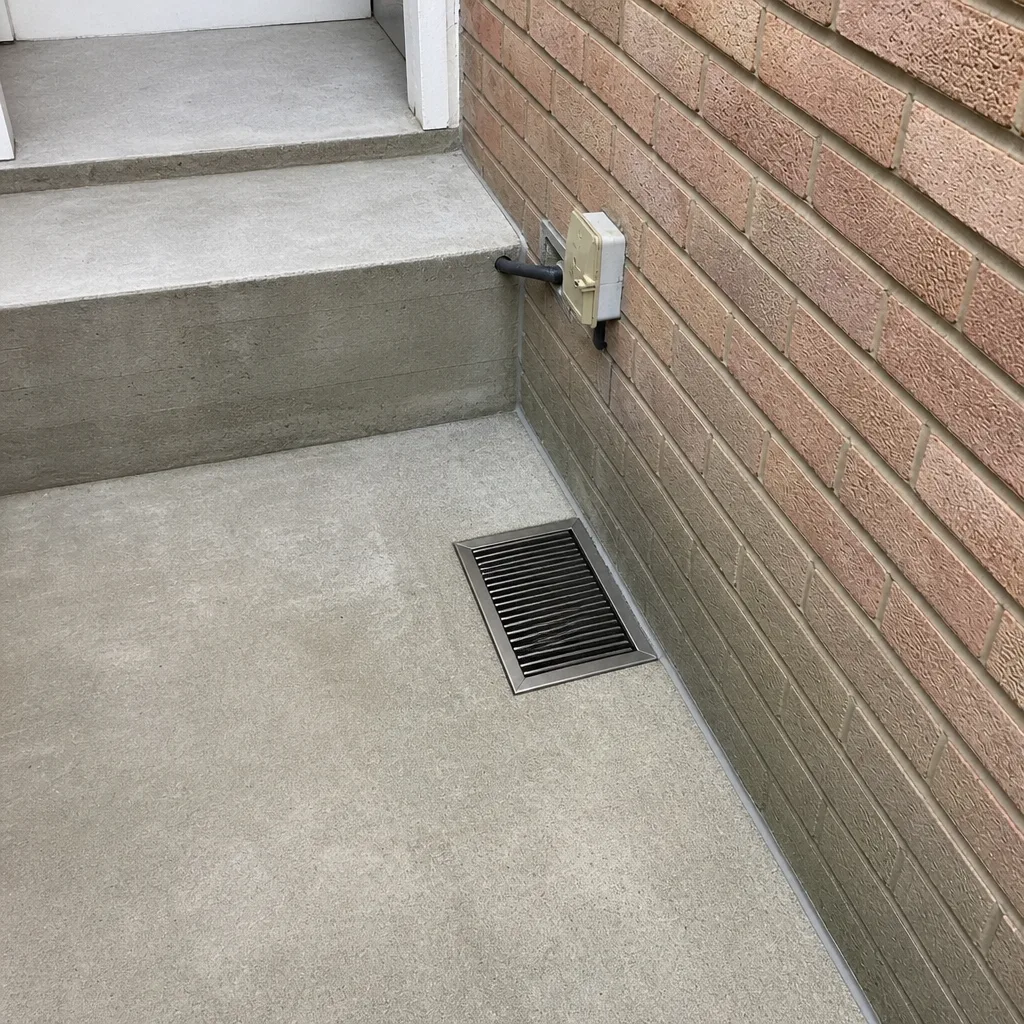
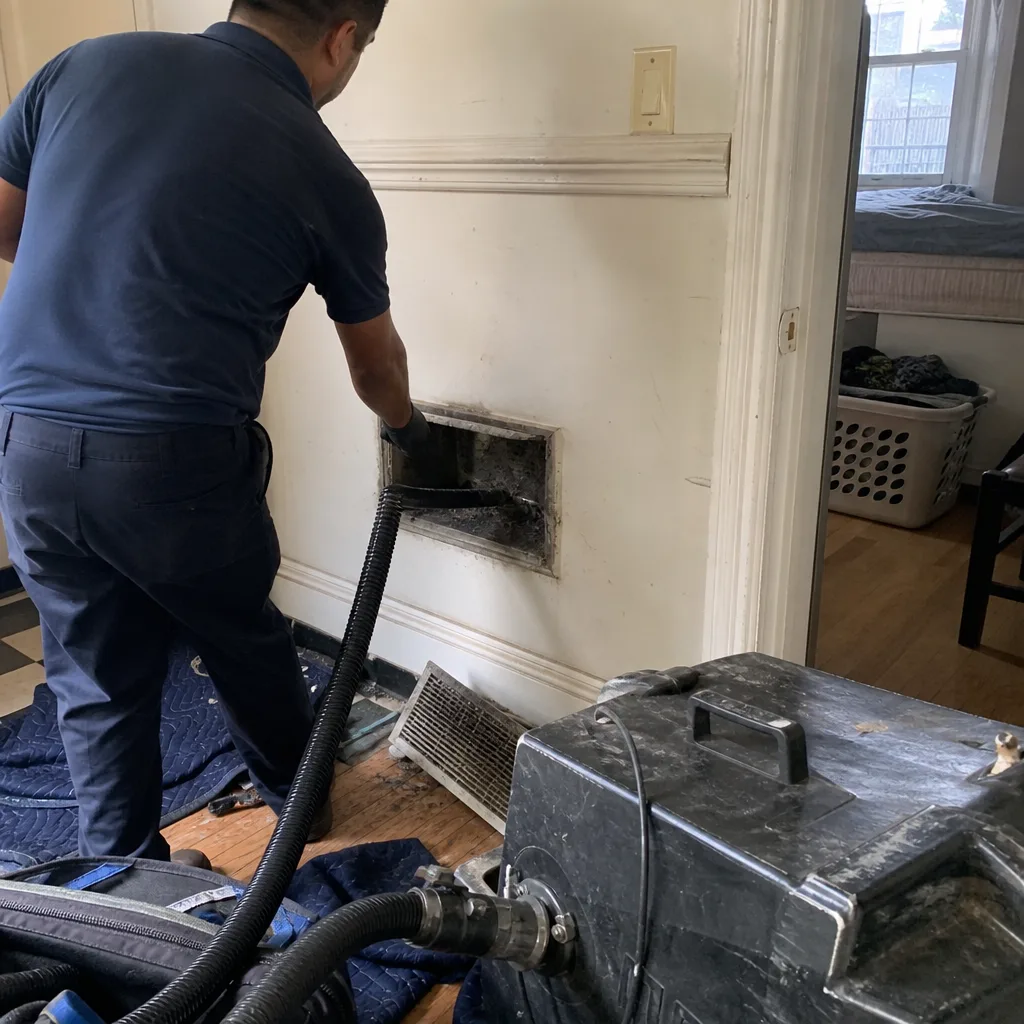
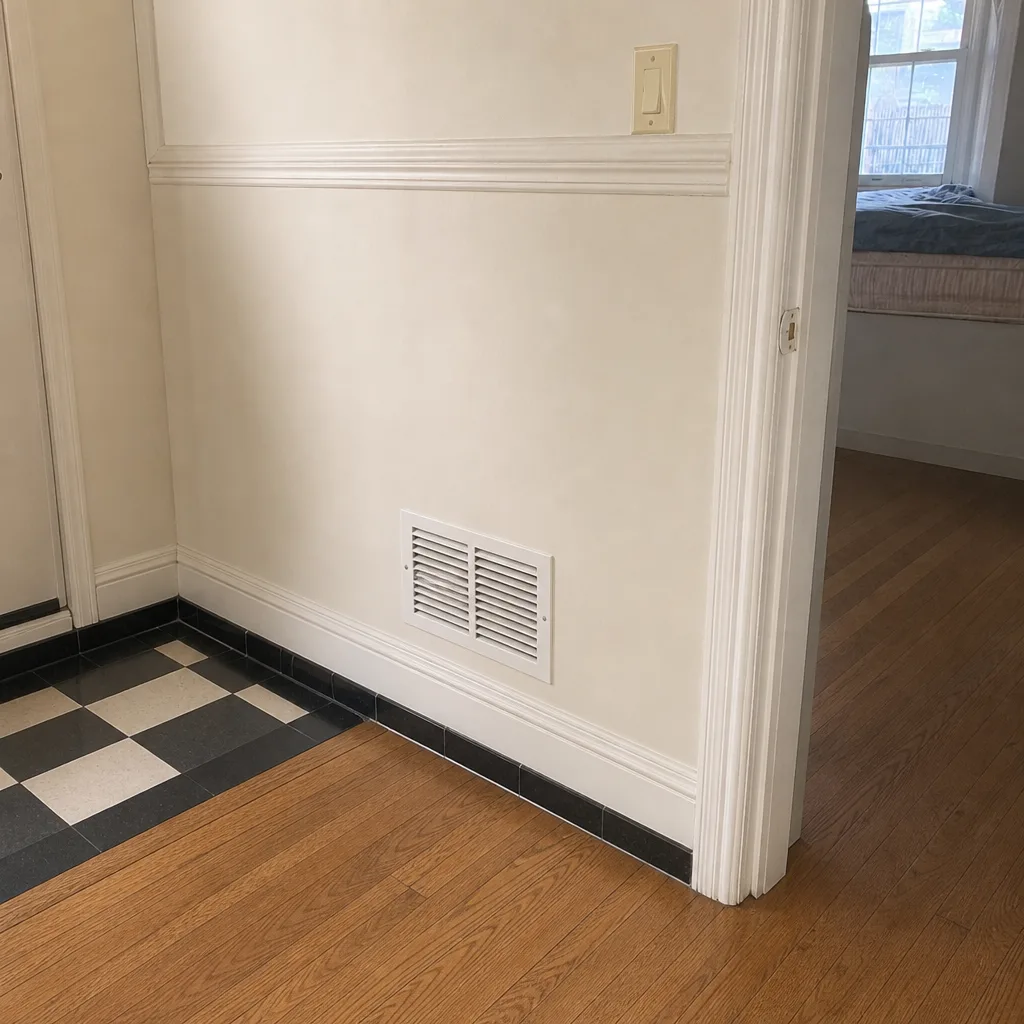
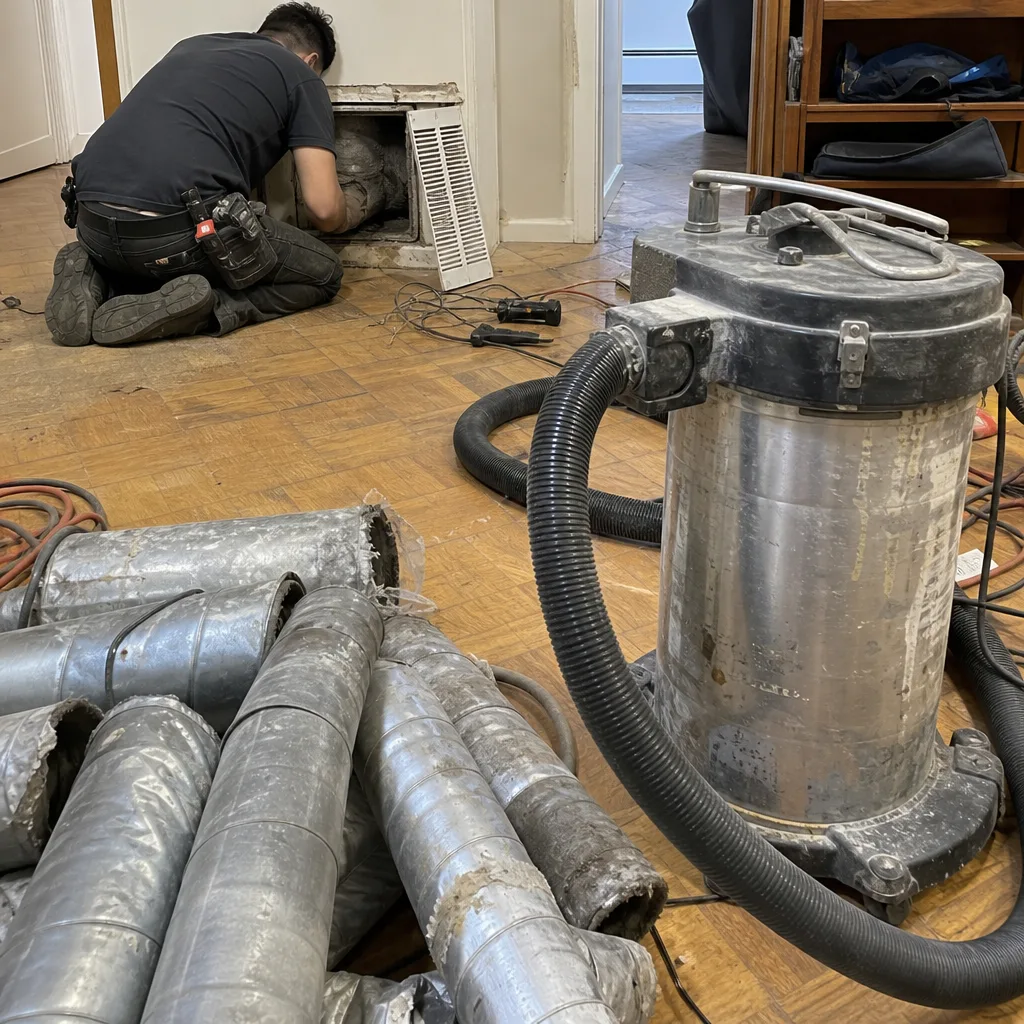
Whole-system duct and dryer vent check with before-and-after photos - you see exactly what came out of your vents
That "$99 whole-house special" is a bait ad - the real number appears once they are in your hallway, or the "clean" is a shop-vac at the register. We photograph the inside of your ducts before and after instead.
Seasonal Air Duct Cleaning Care for Hell’s Kitchen: Year-Round Homeowner’s Guide
Most homeowners treat duct cleaning as an annual checkbox, usually sometime in spring. That flat schedule misses what actually happens to ductwork in Hell’s Kitchen. Late September is the real problem month here: Con Ed shifts its steam distribution loads, HVAC systems flip from cooling to heating, and construction crews accelerate before winter deadlines, all in the same few weeks. Dirty ducts hit that transition hard. By the time you notice a smell or a dust film, the season has already done its work. This guide covers what each of Hell’s Kitchen’s four IAQ seasons does to your ducts and how to schedule inspection around them.
Quick Answer
Click here for the quick summary: air ducts in Hell’s Kitchen benefit from inspection twice a year, in early spring before AC season and in late summer before the heating switchover, with actual cleaning performed only when inspection confirms a real buildup. A fixed once-a-year clean isn’t the right approach here because the neighborhood’s four seasons stress ductwork in four different ways, driven by steam system cycles, construction schedules, Hudson humidity, and sealed winter windows. Inspect on a schedule. Clean on evidence.
Styles & brands we work with
- Whole-home duct cleaning
- Dryer vent cleaning
- Camera inspection
- Sanitizing & deodorizing
Table of Contents
- Spring in Hell’s Kitchen: Post-Heating Debris and Condensation Risk
- Summer Humidity, Hudson Moisture, and Biofilm Conditions
- The Fall Transition Window: Why September Matters Most
- Winter: Sealed Windows, Concentrated Pollutants, and What Duct Condition Changes
- How to Map a Seasonal Intervention Schedule
- What a Proper Duct Inspection Actually Looks At
- What Professional-Grade Duct Cleaning Equipment Means in Practice
- Common Mistakes to Avoid
Spring in Hell’s Kitchen: Post-Heating Debris and Condensation Risk
Spring is when the heating season’s debris finally settles. All winter, warm air moves through your ducts carrying dust, lint, and fine particulate from every radiator, sealed window gap, and hallway. Most of it coats the duct interior rather than traveling all the way to the return. When the system shuts down in spring, that coating has been sitting warm and dry for months. Then the weather turns humid, moisture condenses on cool duct surfaces during the first warm spells, and that dust layer becomes a food source. That’s the mold risk window most Hell’s Kitchen homeowners never think about.
What to inspect before switching to AC mode:
- Registers and return grilles: a visible gray or brown film on the grille slats is a sign that interior buildup has reached the point where it’s migrating.
- Supply diffusers in bathrooms and kitchens: these are the highest-moisture rooms and the first place condensation-driven growth shows up.
- Duct joints and flex connectors: a loose joint in a humid spring releases more contaminated air than the same joint would in winter.
- The air handler cabinet: dust on the coil and in the cabinet means downstream components are being loaded too.
- Filters: check the filter change interval, and change it before you switch modes, not after.
In our experience, the spring inspection is the most commonly skipped step in Hell’s Kitchen. Homeowners flip the AC on a warm day, and the first thing that happens is that months of settled heating-season debris gets pulled into the airstream and out into the rooms. That’s the source of the “first AC day dust puff” that many people chalk up to opening windows. It’s ductwork. If the inspection shows sheet-thin coating and clean surfaces, you don’t need a full cleaning. If it shows matted accumulation or a musty smell near the coil, you do. Professional air duct cleaning Hell’s Kitchen starts here because the judgment call is the whole service, not the machine.
Summer Humidity, Hudson Moisture, and Biofilm Conditions
Hell’s Kitchen sits close enough to the Hudson that summer humidity levels here run high. That matters to your ductwork more than most people realize. Dust alone is inert. Dust plus sustained moisture is a biofilm condition. Biofilms are thin, sticky microbial layers that form on duct surfaces when relative humidity stays elevated long enough. They hold odor, they trap more particulate, and they don’t blow out with a standard cleaning pass. That’s why summer duct problems in this neighborhood tend to smell rather than look dirty.
Two local factors compound this:
- Air conditioner coils: a system that’s been running all summer condenses water onto the coil. If the coil pan drains slowly or the cabinet is dusty, that moisture has a place to sit.
- Window air conditioner crossover: in the walk-ups and prewar buildings that make up large parts of Hell’s Kitchen, window units pull in unfiltered outside air and push it into the room where the central return is. That means outdoor particulate (construction dust, street exhaust, pollen) is entering the return side even when the main system is filtered.
What to check in summer:
- Smell the return grille on a warm afternoon. Musty or sour means moisture is interacting with biological material somewhere in the system.
- Look at the coil cabinet. Standing water or a sludgy pan drain is a flag.
- Confirm the condensate drain is running clear; a slow drain keeps the cabinet humid.
- Note whether window AC units vent into a room with a central return. If they do, expect extra particulate loading on that side of the system.
If the inspection confirms biofilm-level buildup, this is the case where sanitizing matters, not just cleaning. Guardsman-grade sanitizing treatments target the surface layer directly. The goal is to remove the conditions, not just the visible dust, and the only way to know which you have is an inspection. For the midtown-adjacent buildings with heavy summer construction dust, we’ve seen that the combination of window unit crossover and proximity to active jobsites can load a return side much faster than the calendar alone would suggest.
The Fall Transition Window: Why September Matters Most
Late September in Hell’s Kitchen is the year’s tightest squeeze on ductwork. Three things happen at once. Con Ed switches its steam distribution loads from summer to winter patterns, which shifts heating cycles in the many steam-heated buildings across the neighborhood. HVAC systems flip from cooling to heating, pulling airstream across surfaces that were cool and wet all summer. And construction projects race to beat winter deadlines, generating fresh particulate the whole time. Whatever settled in the ducts over the summer gets pulled into the airstream on the first heating run of the season.
The symptom most homeowners notice first is the combustion smell. Running heat for the first time through ductwork that sat through a humid summer pulls a burned or dusty smell through the whole unit. Some of that is normal heat exchanger warm-up. A lot of it is settled particulate from the ducts and the air handler getting blown through the system. Here’s the sequence that separates the two:
- Before the first heating run: check the air handler, the filter, and the return grille. Replace the filter. Note any visible buildup.
- During the first heating run: open windows briefly if the smell is strong, but note how long it lasts. A few minutes is normal. A smell that persists across multiple heating cycles is a duct issue.
- After the first heating run: check the register slats and the nearby surfaces. A visible dust film within the first week means the ducts are distributing settled material.
This is why we call the fall window the highest-value inspection of the year in Hell’s Kitchen. If you’re going to inspect twice, make September one of the two times. The second-best option for a homeowner whose ducts pass inspection in September is to defer cleaning to spring, not to skip the inspection. And any building with commercial tenants on the ground floor or active construction within a block should inspect this window even if the previous year’s inspection came back clean.
Winter: Sealed Windows, Concentrated Pollutants, and What Duct Condition Changes
Winter is the season Hell’s Kitchen homeowners seal up and stay inside. Windows stay closed for weeks. Ventilation drops. Indoor pollutant levels rise because they have nowhere to go. That includes cooking particulate, cleaning product vapors, pet dander, and whatever the HVAC system is moving through a duct network that’s been running steadily for months. Winter is the season when duct condition makes the biggest difference to actual indoor air quality, because there’s no dilution from open windows.
The amplification effect works in both directions:
- Clean ducts reduce the load: when the interior surfaces aren’t holding settled particulate, the recirculating air stays closer to the filter’s rated output. The system does the job it was designed for.
- Loaded ducts amplify the load: every cycle pulls particulate off the walls of the duct and into the room. In a sealed winter apartment, that particulate has nowhere to settle but indoors.
What to monitor in winter:
- Track visible dust on horizontal surfaces near supply registers; a faster film means the ducts are contributing.
- Watch for static or dry throat complaints in the household; that can be humidity or particulate, and the pattern tells you which.
- Check the filter monthly. A filter loading quickly in winter means the return side is pulling more than usual.
- Note any odors that appear in one room but not another; that points to a specific branch of the duct system rather than the whole.
Whole-home filtration systems like Honeywell and Aprilaire designs work better when the ducts feeding them aren’t loaded with dust. In our experience, a homeowner with an aging filter system often thinks the filter is failing, when the ducts are the actual source of what the filter is catching. Inspect in winter, but be conservative about cleaning unless the inspection confirms it. A sealed apartment in Hell’s Kitchen doesn’t need a cleaning every winter. It needs to know where its duct condition stands when the windows close.
How to Map a Seasonal Intervention Schedule
The right seasonal schedule for a Hell’s Kitchen home is inspection-driven, not calendar-forced. You inspect on a fixed rhythm and you clean on evidence. That’s the core difference between a homeowner who gets real value from duct service and one who pays every year for a service their ducts probably didn’t need yet. Here’s how to set it up for your specific building type.
Step 1: Identify your building type. Steam-heated prewar buildings in Hell’s Kitchen (the bulk of the neighborhood’s housing stock) have different seasonal stress than buildings with modern forced-air systems. Steam buildings tend to have more humid winters and different airflow patterns through the duct network. Note yours.
Step 2: Put two inspections on the calendar. Early spring before the first AC run. Late August or early September before the first heating run. Those are the two highest-stakes moments of the year for a Hell’s Kitchen duct system. Neither is a full cleaning, just an inspection.
Step 3: Note any construction, renovation, or building works in your block. Hell’s Kitchen has dense Midtown construction. If there’s a project running on your block during the year, add one inspection after the noisiest phase ends. The particulate loading is real.
Step 4: Do the two inspections, then decide. If the spring inspection shows clean surfaces and the summer smell test is neutral, skip the cleaning that year. If the fall inspection shows matted buildup or the first heating run produces extended smell, book the cleaning. Same for the reverse.
Step 5: Address the dryer vent on the same schedule. dryer vent cleaning is a fire-safety service, not an air quality one, and it deserves its own inspection timing. In buildings where the dryer is in a small interior room, the fire risk is higher than in an exterior-wall setup. Inspect it annually and clean on confirmed lint buildup.
Step 6: Track your own history. One line per year, with the month and result of each inspection, is enough. If you can’t remember whether the ducts were cleaned two years ago or five, neither can the next technician. Records make the whole system work.
Most of the value in this schedule comes from the inspection step, not the cleaning step. When the inspection says clean, that’s the answer.
What a Proper Duct Inspection Actually Looks At
A real inspection covers more than the outside of the register. It includes an interior look at the supply and return branches, the air handler cabinet, the coil, and the flexible connections at the plenums. If somebody walks up to your thermostat and quotes a cleaning without opening a register or looking into the system, that’s not an inspection. Here’s what a proper one checks:
- Supply branch interior: camera or direct access to the first several feet of the main supply run from the air handler. Sheet-thin coating is normal; matted accumulation is not.
- Return branch interior: same check, and specifically the return nearest active construction or shared hallways.
- Air handler cabinet and coil: visible dust on the coil fins is a loading signal, and standing water in the pan is a moisture signal.
- Flex duct integrity: torn flex or separated joints mean unfiltered air is entering the system downstream of the filter, which shortens the interval between cleanings.
- Register slat buildup: the exterior slats tell you a lot, but they aren’t the whole story. Heavy buildup on the slats and clean ducts inside happens when nearby dust is settling on the grille rather than coming from the ducts.
- Smell and humidity: a walkthrough with humidity readings and a subjective smell check tells you whether the system has a moisture problem that a cleaning alone won’t fix.
The judgment call is where inspection turns into a recommendation. If the inspection shows heavy interior accumulation, the recommendation is cleaning. If it shows heavy accumulation plus torn flex or a separated joint, the recommendation is duct repair and sealing, because a cleaning on failing ductwork is temporary at best. Air Duct Cleaning Hell’s Kitchen handles the inspection, the cleaning, the repair and sealing, and the sanitizing as one scope, which matters because in Hell’s Kitchen the answer is often more than one of those. That’s what we mean by “we don’t just clean – we seal, repair, and sanitize.”
What Professional-Grade Duct Cleaning Equipment Means in Practice
Two technicians with a shop vac and a promise is a common sight. It’s also not enough for a real duct network. The difference comes down to three things: does the cleaning tool actually reach the interior wall of the duct, does the containment capture what gets loosened, and does the process include sanitizing after the cleaning so the surfaces are actually finished. Consumer-grade tools fail all three. Professional equipment handles each one.
The three platforms that matter for a Hell’s Kitchen duct system:
- Rotobrush rotary-brush systems: the brush contacts the duct interior directly, which is what removes the matted accumulation that negative-air alone can’t always free. This is the same platform commercial and industrial duct cleaning professionals use.
- Nikro negative-air vacuums: these hold the duct system under negative pressure during cleaning so loosened particulate moves toward the vacuum rather than into the living space. Without negative air, “cleaning” is really just redistributing dust into rooms.
- Abatement Technologies containment units: remediation-grade containment that keeps particulate locked inside the work zone. This is what separates a professional duct cleaning from a machine run with no containment at all.
After the cleaning pass, Guardsman-grade sanitizing treatments finish the job by targeting the surface layer where allergens, mold spores, and microbial contamination live. The cleaning removes the dust. The sanitizing addresses what the dust was feeding. Both matter in Hell’s Kitchen, where the summer humidity and the winter sealed-window concentration both reward proper finishing. Familiarity with Honeywell and Aprilaire air quality systems is the third piece; it means the duct cleaning process respects how the whole-home filtration and humidity system is designed to work with the duct network, not against it. Our technicians have up to 14 years of experience on these systems.
For a scope that includes the full HVAC unit rather than just the duct network, HVAC cleaning covers the coil, blower, and cabinet, which is often the correct scope when the inspection shows loading at the air handler rather than in the branches. And because the seasonal schedule above treats the dryer vent as its own item, professional air duct cleaning in Hell’s Kitchen is usually the point of entry, not the whole answer.
Common Mistakes to Avoid
- Treating “annual cleaning” as a rule. A fixed yearly cleaning ignores the actual stress your ducts face in a given year. In a year with heavy block construction, you may need two cleanings. In a quiet year with good filters, you may need none. Inspect on the calendar, clean on evidence.
- Skipping the fall inspection. September is the transition month where Con Ed loads shift, heating turns on, and construction accelerates. It’s the highest-value inspection of the year for a Hell’s Kitchen homeowner. Missing it means the first heating run is the first warning.
- Assuming visible register dust means a full cleaning. Sometimes the grille is dirty because the room is dirty. Heavy buildup on the slats with clean duct interiors behind it calls for a register wipe, not a duct cleaning.
- Ignoring the dryer vent because it’s “not the ducts.” The dryer vent is a fire-safety system. Lint buildup in a Hell’s Kitchen apartment with the dryer in a small interior room is the highest-risk version of this crowded. Inspect it on the same schedule, and treat it as a separate service scope.
- Cleaning without sealing failing ductwork. Torn flex, separated joints, and gaps at plenums defeat the cleaning. Airborne particulate enters downstream of the filter and the cleaning gets redone within a season. Inspection should always check connections first.
- Sanitizing without cleaning. A spray treatment applied to loaded duct surfaces doesn’t reach the microbial layer underneath the dust. The order matters: clean first, sanitize after, because the surface layer is what the sanitizing treatment needs to reach.
- Trusting a phone quote with no inspection. A duct cleaning quote given without opening a register, looking at the air handler, and checking the system’s condition is a guess. The estimate should reflect the actual state of your ductwork and be delivered in writing.
See the difference
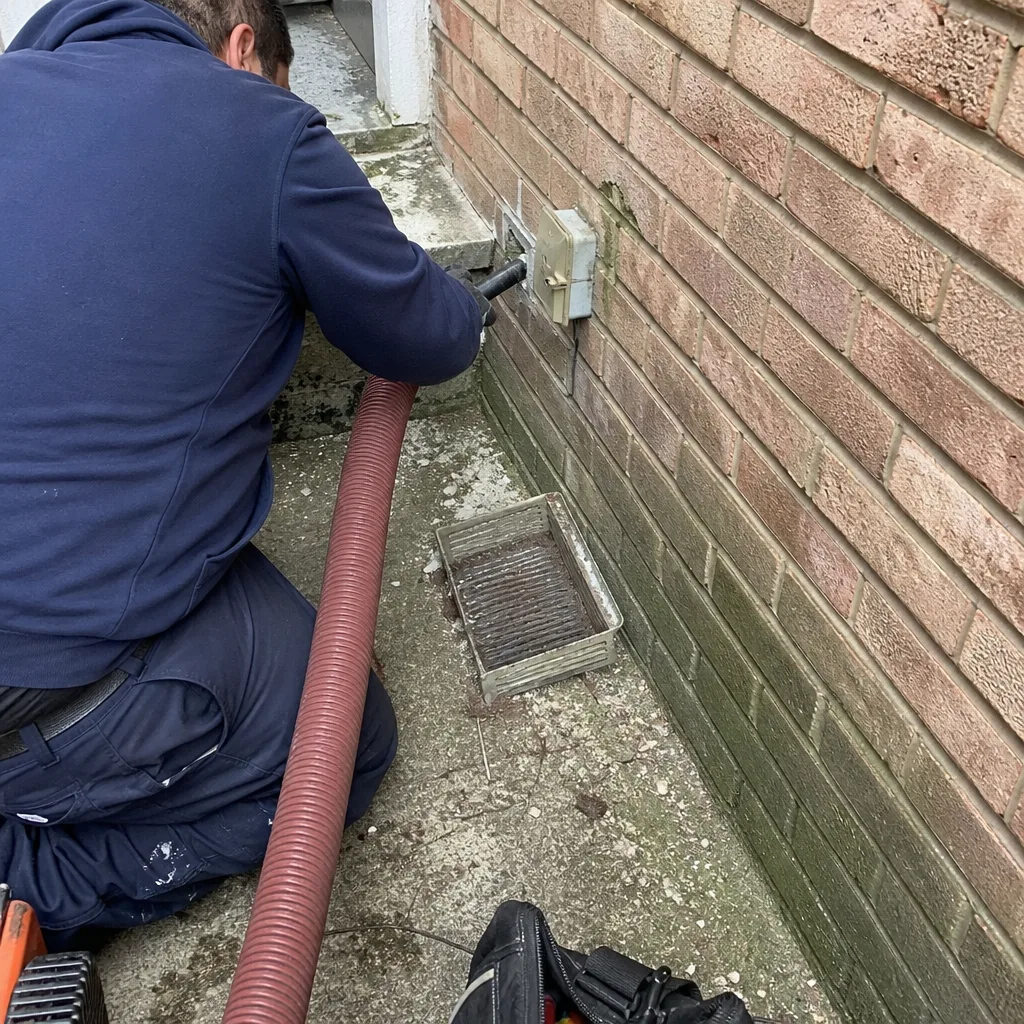 Before
 After
 Before
 After
 Before
 After
When to Call a Professional
Some duct conditions are worth a call rather than a next-season plan. A persistent musty or sour smell from a return grille, especially in a bathroom or kitchen where moisture stays high, is a call-first condition. So is visible mold growth at a register, HVAC coil, or duct joint. Torn flex duct or separated plenum connections in Hell’s Kitchen are a call-first condition because they get worse with running the system. A first-heating-run smell that persists for more than a couple of heating cycles is a call-first condition, not a “wait for spring.” Any dryer vent that hasn’t been inspected in over a year is a call-first condition because the risk of an interior lint fire in a small room is a safety issue. Air Duct Cleaning Hell’s Kitchen offers free estimates in Hell’s Kitchen. Call (833) 468-5937. We answer 24/7. Fast dispatch from 7am to 7pm, Sunday through Friday.
Frequently Asked Questions
No. Annual cleaning is a common recommendation but not what the evidence supports. Hell’s Kitchen ducts benefit from inspection twice a year (early spring and late August/early September) and cleaning only when the inspection confirms real interior accumulation. A sealed winter apartment with good filtration can go several years without a cleaning. The calendar tells you when to look. The inspection tells you whether to clean.
The first-heating-run smell in Hell’s Kitchen is usually a combination of normal heat exchanger warm-up and settled particulate from the ducts and air handler being pulled into the airstream after a humid summer. A smell that fades after a few cycles is usually the first one. A smell that persists or returns each heating cycle means the ducts are still loaded and deserve an inspection. Late August is the right time to check, before the first cold snap, not after.
It depends on the size of the system, the number of branches, and whether repair or sanitizing is in scope, which is why a phone quote with no inspection is a guess. We set one flat price per system after the inspection and before work starts, delivered in writing, so you know the total before anything moves. Call (833) 468-5937 for a free estimate. We answer 24/7. Fast dispatch from 7am to 7pm, Sunday through Friday.
Yes, in a specific way. Sustained humidity interacting with accumulated dust creates biofilm conditions on duct surfaces; that’s the thin sticky layer that holds odor and doesn’t come off with a simple shop-vac pass. Hudson proximity pushes summer humidity higher here than in many parts of the city. Biofilm isn’t visible from the register usually; you notice the smell first. If the smell is there, an inspection is the next step, not a sanitizing spray alone. Clean first, sanitize after.
Duct cleaning covers the duct network: supply and return branches, registers, and the connections to the air handler. HVAC cleaning covers the air handler itself: the coil, blower, and cabinet. In Hell’s Kitchen, an inspection often finds loading in both places, so the correct scope is usually both. Ask for the inspection to explicitly cover the cabinet and coil so the recommendation matches what’s actually needed. air duct cleaning is the right starting point if the ducts are the main issue; HVAC cleaning is the right scope if the air handler is the main issue.
Inspect annually. Clean when the inspection shows meaningful lint accumulation. For Hell’s Kitchen apartments where the dryer sits in a small interior room without natural ventilation, the fire risk of accumulated lint is higher than in an exterior-wall setup, so annual inspection is the minimum. Don’t wait for the dryer to run hot or the clothes to take longer than usual; those are late signals. The inspection is cheap; the fire is not. Call (833) 468-5937 to schedule. We answer 24/7. Fast dispatch from 7am to 7pm, Sunday through Friday.
The Bottom Line
Hell’s Kitchen’s four IAQ seasons drive four different kinds of duct stress, and a flat once-a-year cleaning misses all four. Inspect twice a year: early spring before the AC switchover, and late August before the heating transition. Clean only when the inspection confirms real buildup. Address failing ductwork (torn flex, separated joints) as repair-and-sealing, not just cleaning. Sanitize after the cleaning, not instead of it. Inspect the dryer vent on its own annual rhythm as a fire-safety item. The rest of the year, a clean system with good filtration handles the load. When inspection turns into cleaning, that’s what we’re here for. Call (833) 468-5937 for a free estimate and an inspection driven by evidence rather than the calendar.
Written by the team at Air Duct Cleaning Hell’s Kitchen.