
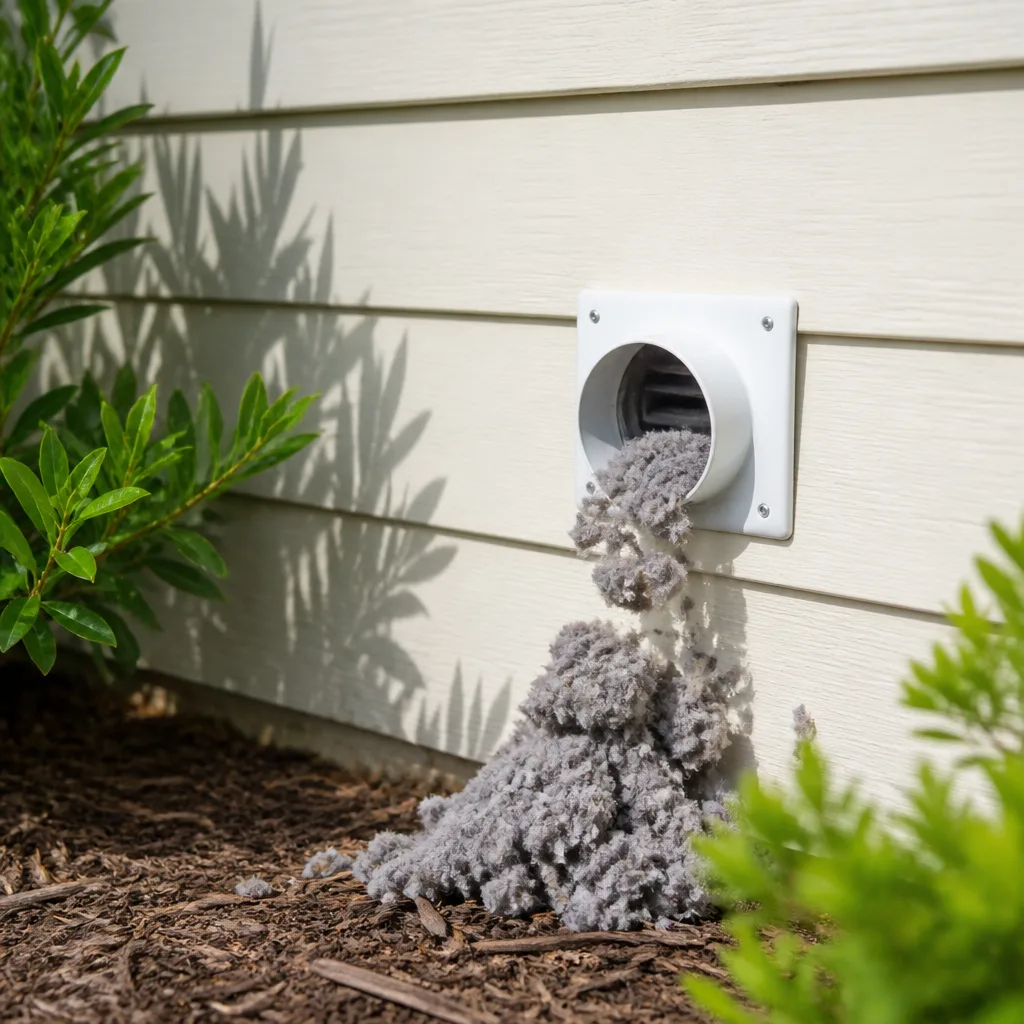
 Dryer vent cleaning
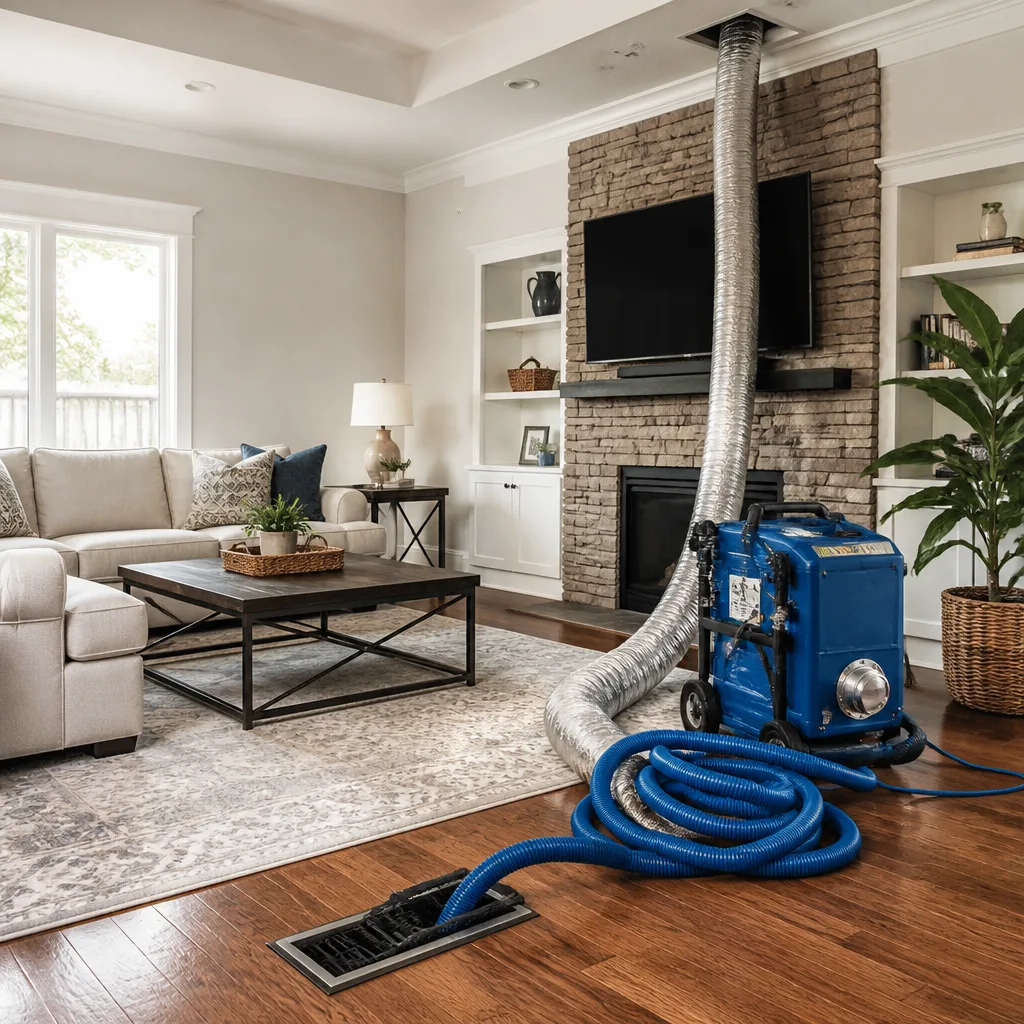 Whole-home duct cleaning
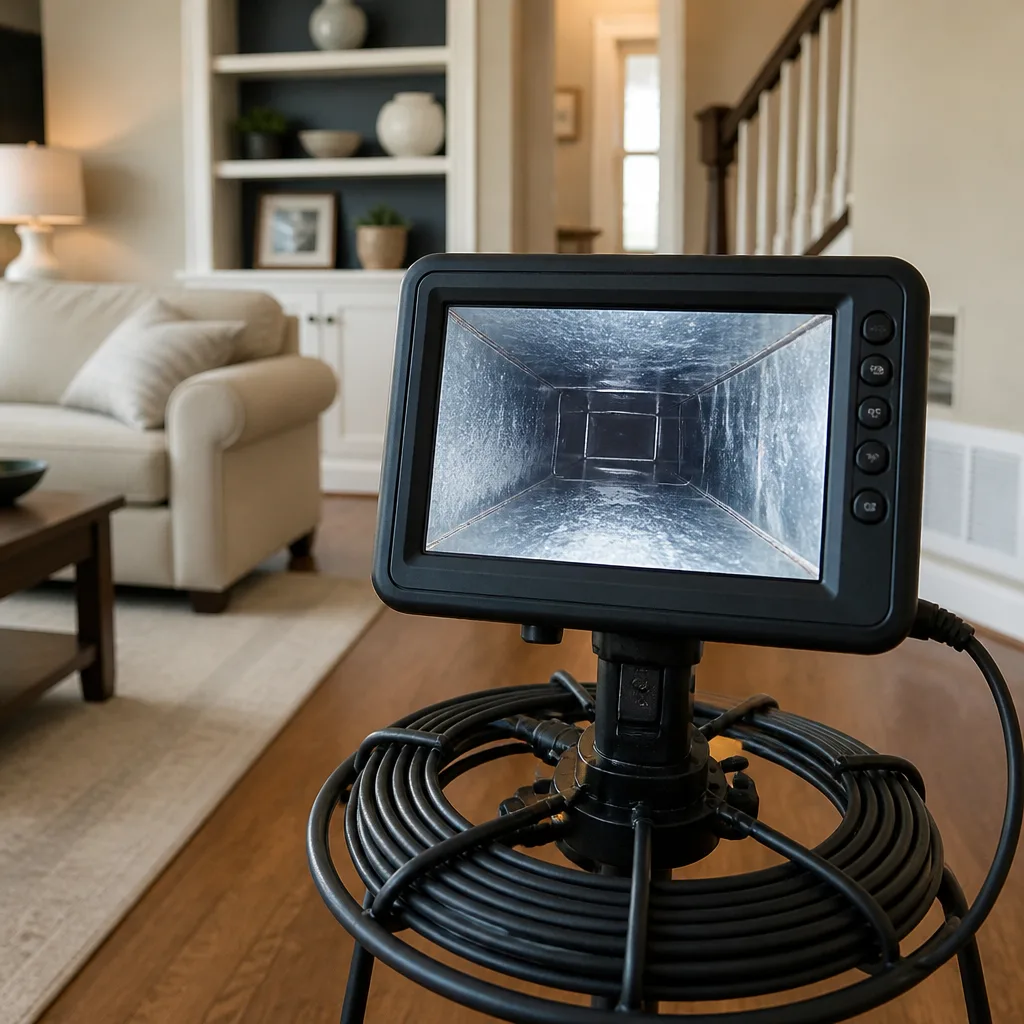 Camera inspection
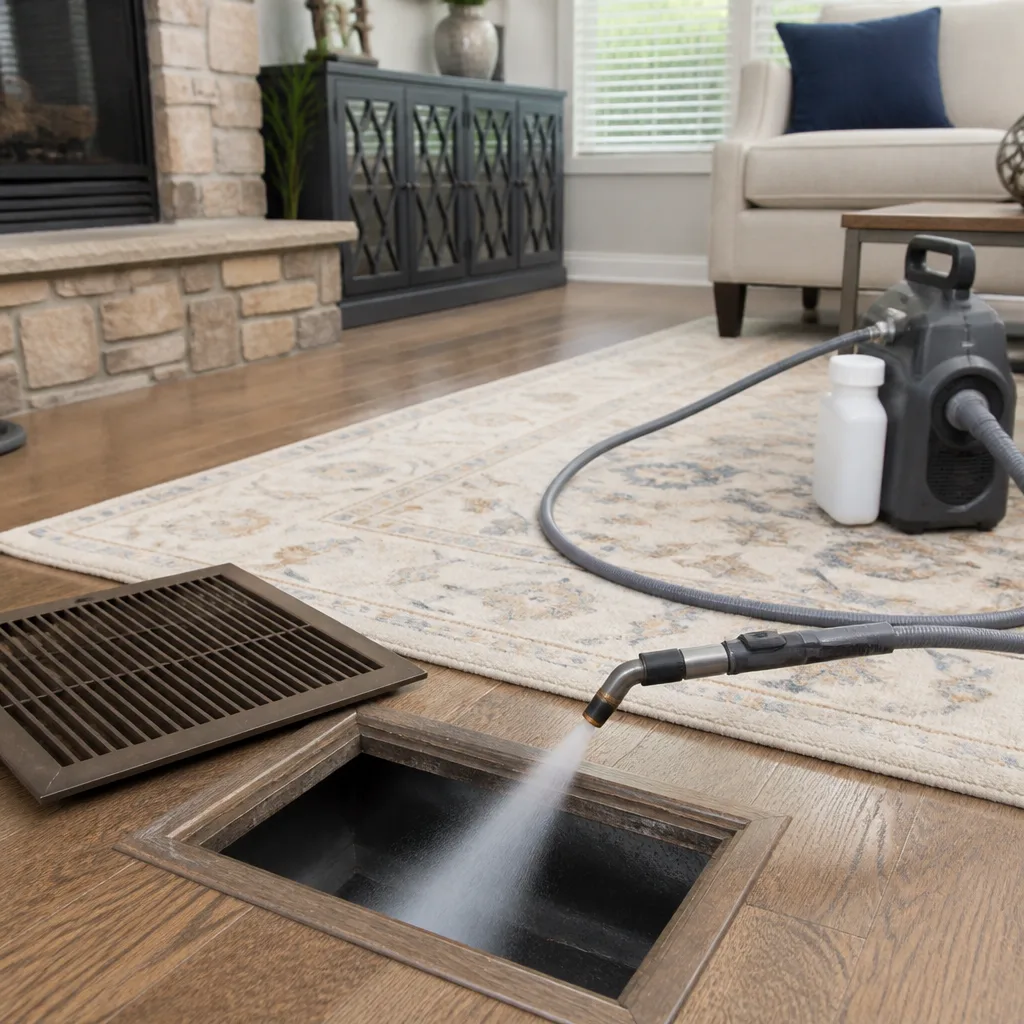 Sanitizing & deodorizing
Whole-system duct and dryer vent check with before-and-after photos - you see exactly what came out of your vents
That "$99 whole-house special" is a bait ad - the real number appears once they are in your hallway, or the "clean" is a shop-vac at the register. We photograph the inside of your ducts before and after instead.
Styles & brands we work with
- Whole-home duct cleaning
- Dryer vent cleaning
- Camera inspection
- Sanitizing & deodorizing
See the difference
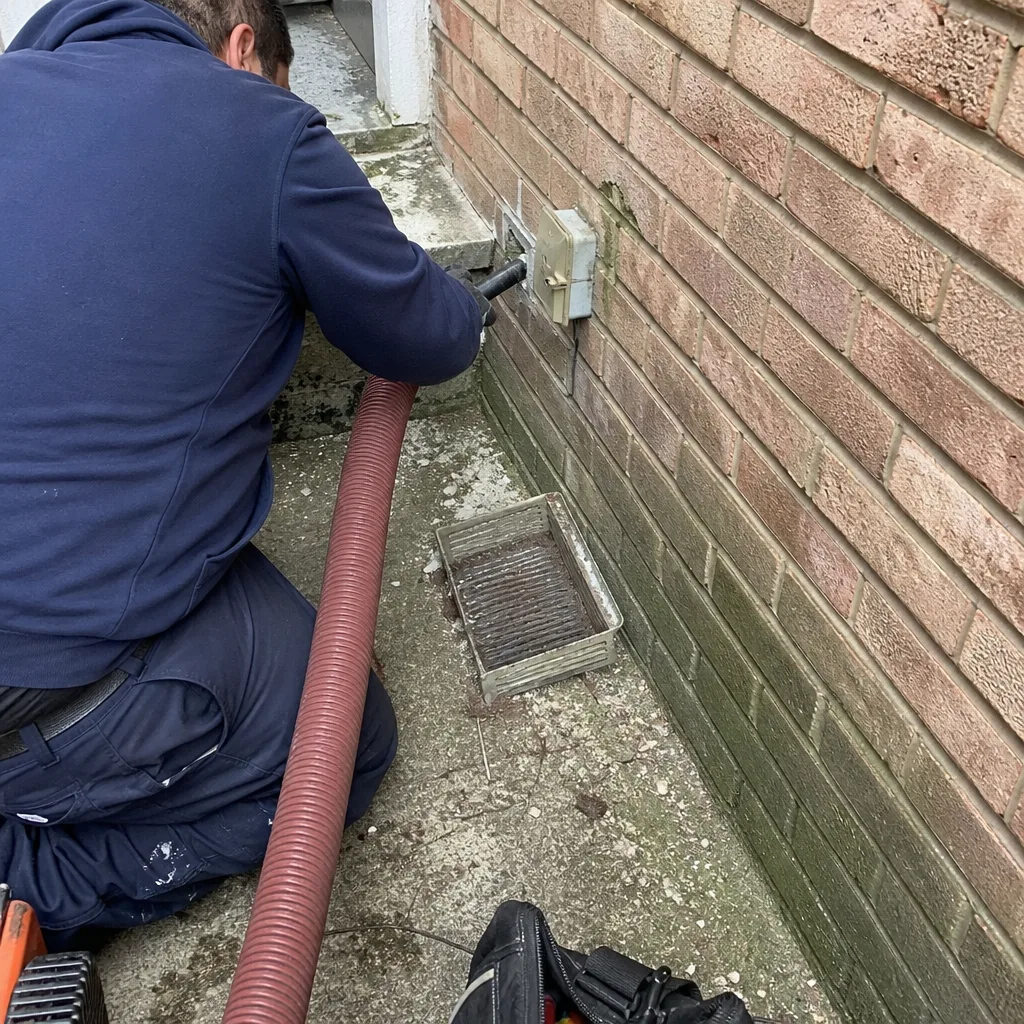 Before
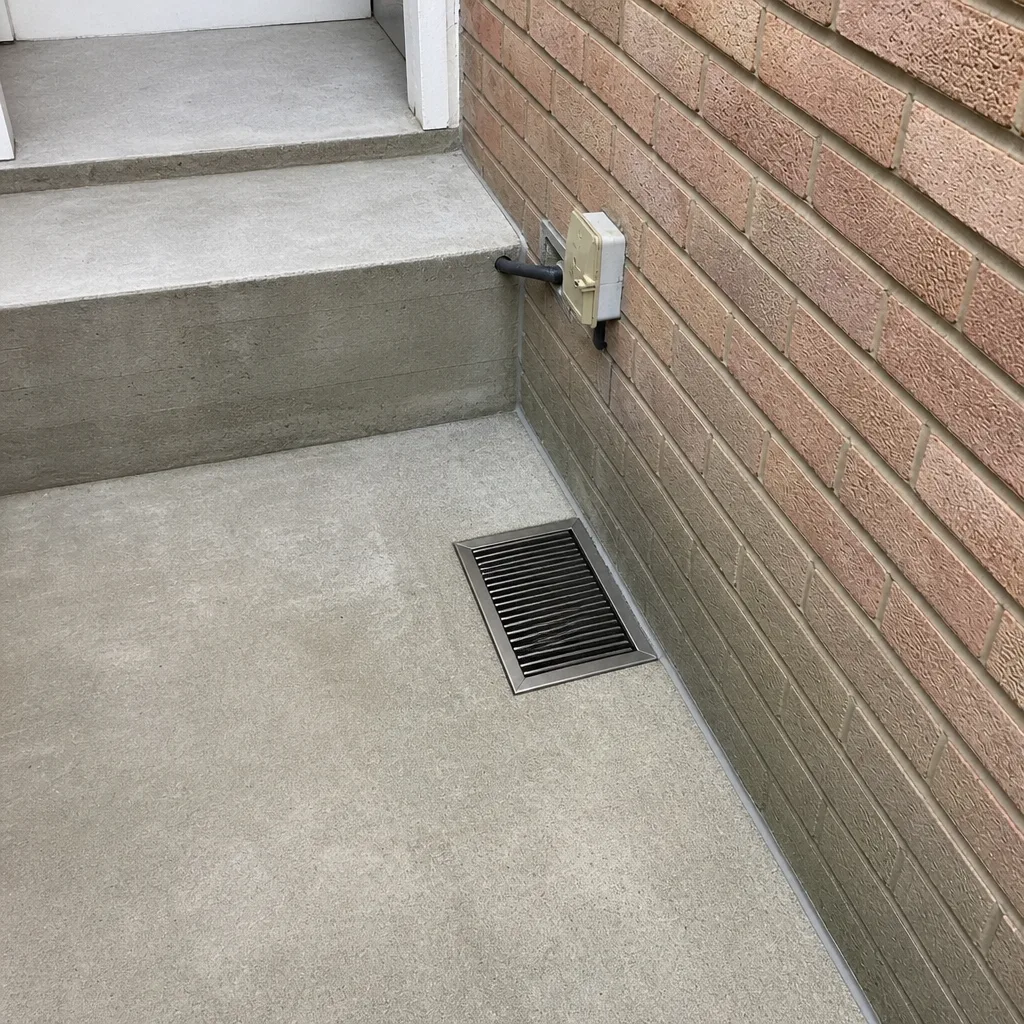 After
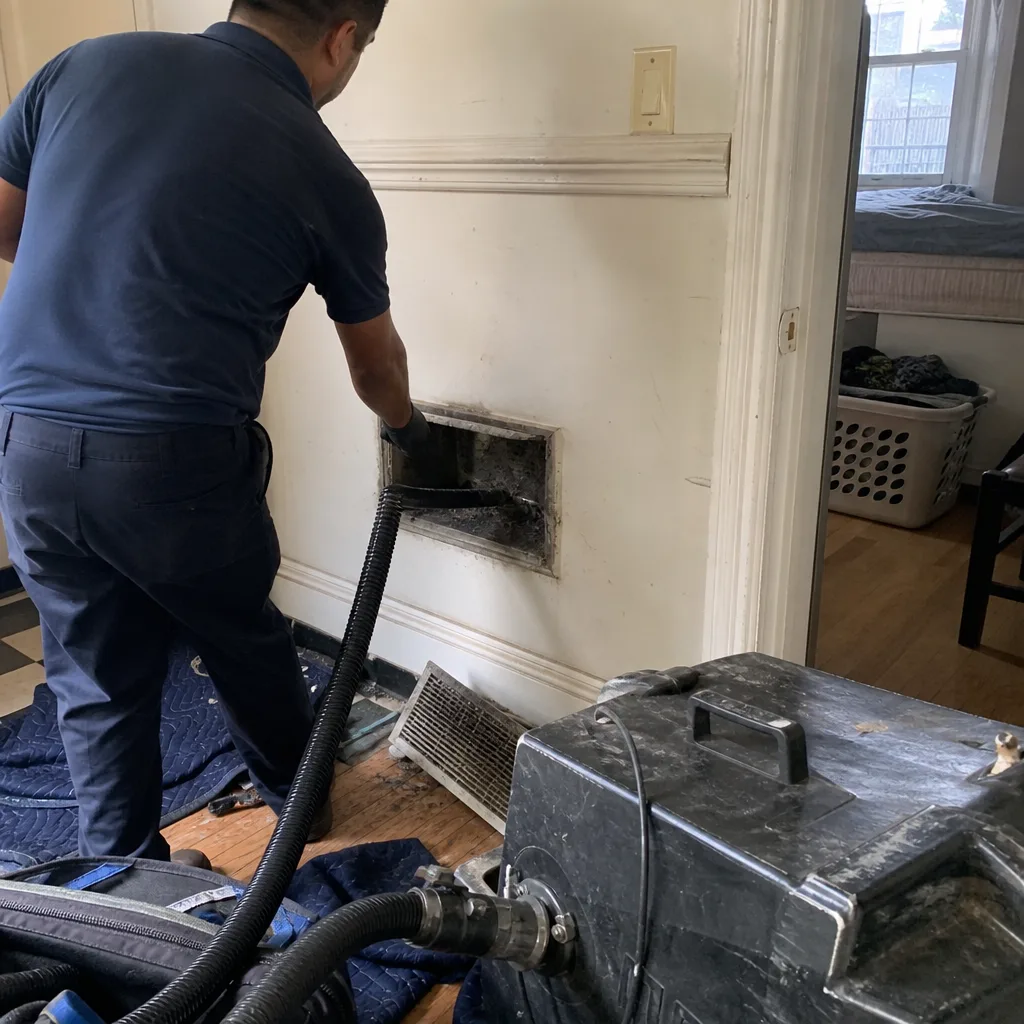 Before
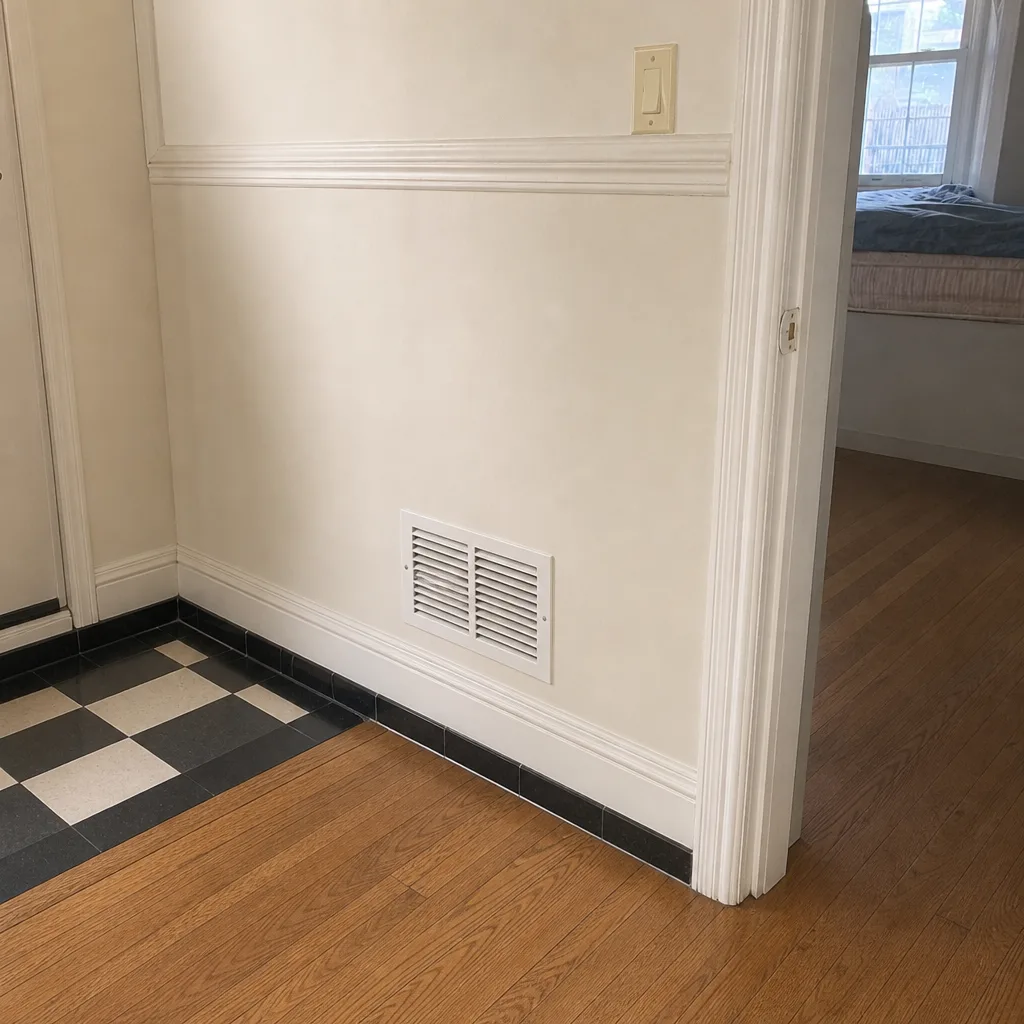 After
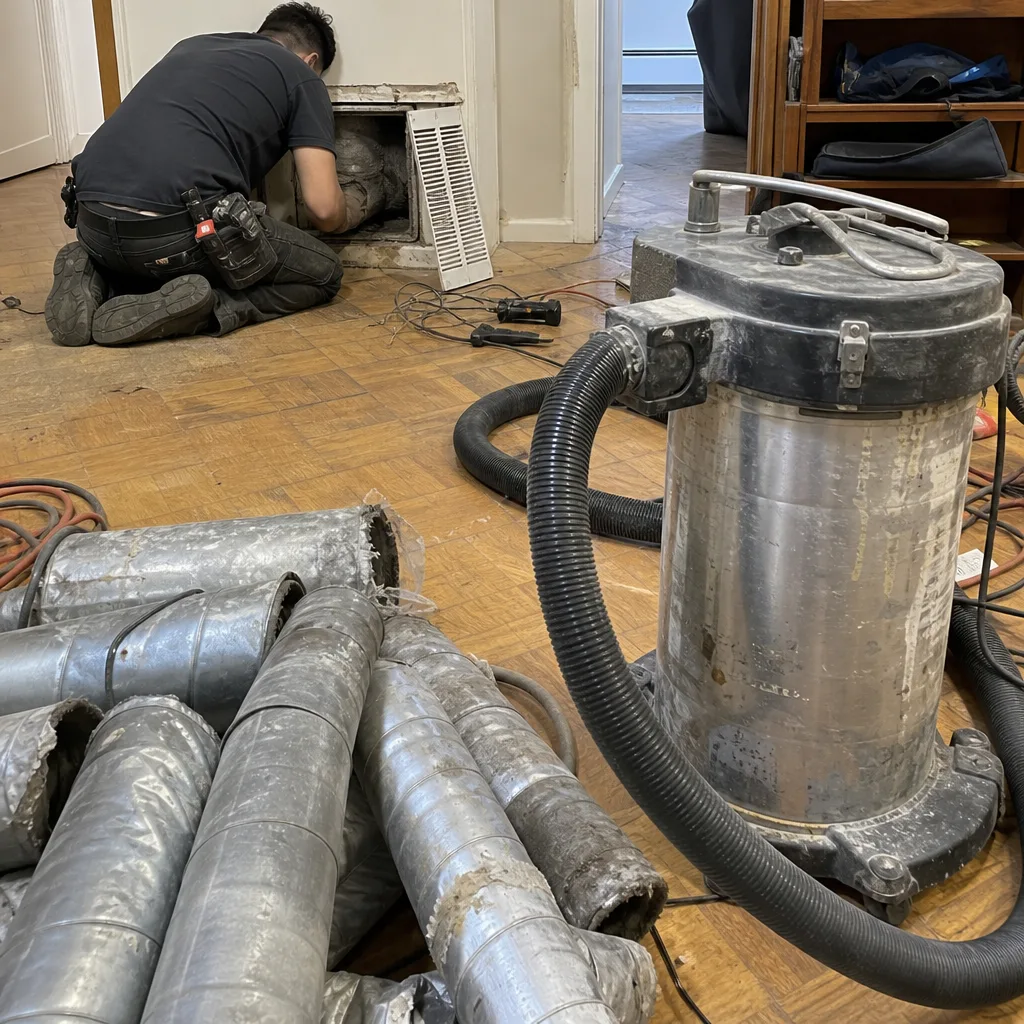 Before
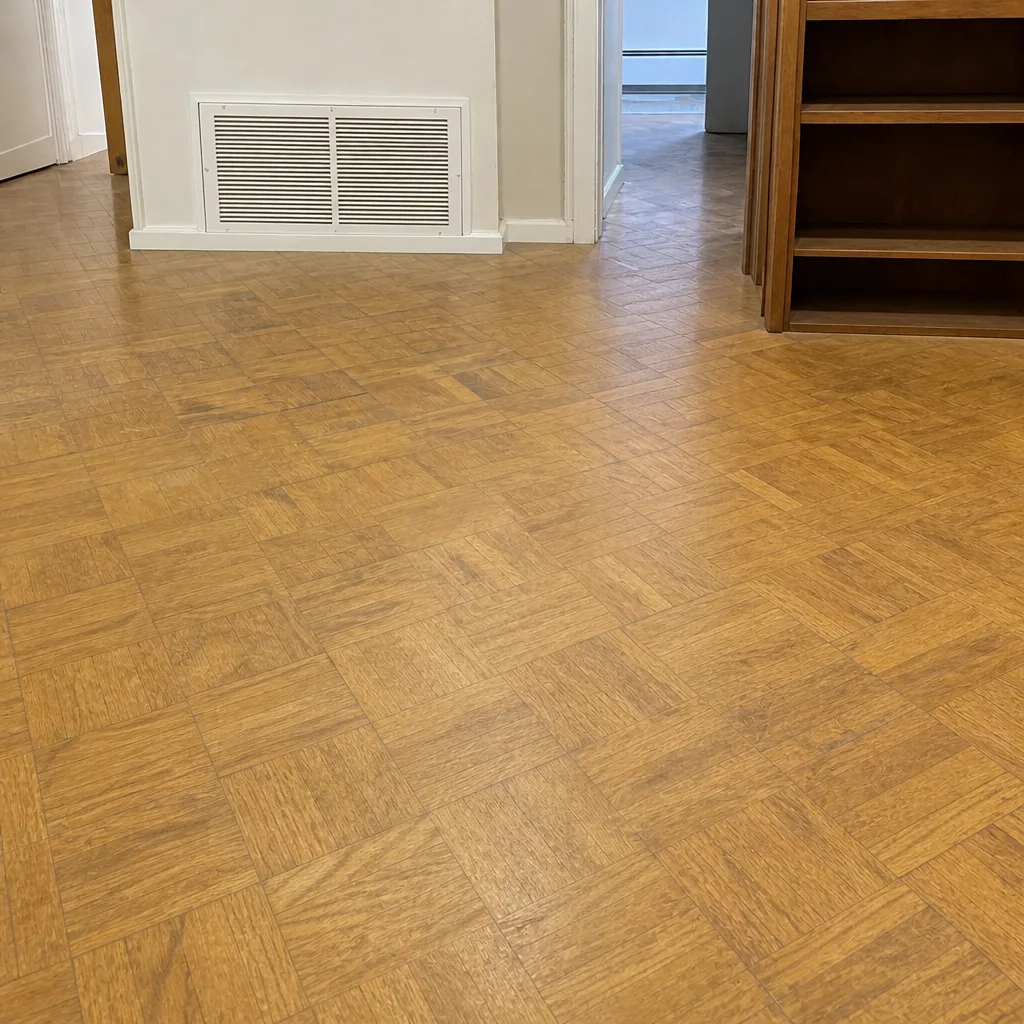 After
How Much Does Dryer Vent Cleaning Cost in Hell’s Kitchen?
Dryer vent cleaning in Hell’s Kitchen typically costs $120 to $250 for a standard residential vent run, and $200 to $400 or more when the run is long, heavily clogged, or routed through a wall with multiple elbows. Most single-unit apartments and brownstone conversions in the neighborhood fall in the lower half of that range, while larger buildings and rooftop-terminating vents land higher. The written estimate sets the final price, and we give that estimate for free.
If your dryer is taking two cycles to finish a load or the laundry room smells faintly of hot lint, the vent is usually the reason. That’s the call that saves the most money, because a clogged vent makes the dryer work harder on every load until it fails. Cleaning it costs far less than a service call on the appliance. Call (833) 468-5937 for a free estimate. We answer 24/7, with fast dispatch from 7am to 7pm, Sunday through Friday.
Key takeaways
- Typical Hell’s Kitchen dryer vent cleaning: $120 to $250.
- Long, complex, or badly clogged runs: $200 to $400 and up.
- Rooftop or multi-elbow terminations cost more because the equipment and access are harder.
- Estimates are free and the written estimate sets the final price.
- Cleaning the vent costs a fraction of repairing or replacing a dryer damaged by overheating.
Dryer Vent Cleaning Cost Breakdown (2026)
Here’s how the numbers usually break down in Hell’s Kitchen in 2026. These are typical ranges for the neighborhood, not fixed quotes. Your written estimate is the number that counts.
| Line item | Typical price range | What it covers |
|---|---|---|
| Standard dryer vent cleaning (single unit) | $120 – $250 | Rotary brush and negative-air vacuum run through a short, straight vent with one or two elbows. |
| Long-run or multi-elbow vent cleaning | $200 – $400 | Vents that travel through walls or ceilings with several bends, which take more equipment and time. |
| Roof-terminating vent cleaning | $250 – $450 | Vents that exit on the roof, requiring roof access and longer reach. |
| Heavy clog or lint compaction removal | $200 – $400 | Dense, packed lint that resists a standard pass and needs staged removal. |
| Vent inspection with camera | $75 – $175 | Camera check to confirm the vent is clear and the route is sound, often bundled into a cleaning. |
| Bird or pest nest removal | $150 – $350 | Removing nests and debris from the vent, then cleaning the run. |
| Damaged vent repair or reconnection | $100 – $300 | Reconnecting a disconnected duct, replacing a crushed section, or reseating the termination. |
| Sanitizing treatment after cleaning | $50 – $150 | Guardsman-grade sanitizing applied after the clean to target mold spores and microbial contamination. |
What pushes a job up? Access and length, mostly. A short vent that exits the back of the dryer into a wall two feet away is quick work. A vent that climbs through a Hell’s Kitchen walk-up, turns twice, and exits on the roof of a five-story building is not. Number of elbows matters more than most people expect: each bend slows the airflow and collects lint, so each one adds time to a proper clean. The severity of the clog matters too, along with whether the termination is a simple wall flap or a roof cap that needs a ladder. On the lower side, a routine clean on a short, straight, easily reached vent is the least expensive job you’ll see.
What Affects Dryer Vent Cleaning Pricing in Hell’s Kitchen
Dryer vent cleaning isn’t priced by the minute. It’s priced by the work, and in Hell’s Kitchen a handful of local factors move the number more than anything else.
- Building age and vent routing. Hell’s Kitchen’s tenements and brownstones were built long before anyone was designing for modern dryers. Vent routes in these buildings often take the long way to an exterior wall, and the older the building, the more likely the run bends and weaves rather than going straight.
- Walk-ups and roof access. If the dryer sits in a basement and the vent exits on the roof of a five-floor building, someone has to get to both ends. Roof access and multi-floor routing add time and equipment, and that shows up in the estimate.
- Type of vent: rigid, flexible, or foil. Rigid metal duct cleans well and lasts. Flexible foil ducting crushes easily and traps lint in the ridges, and it sometimes needs replacement rather than a clean. If we find a foil run that’s collapsing where it bends, repair comes into the estimate.
- Clog severity. A lightly linted vent cleans in a single pass. A vent that hasn’t been touched in years may need staged removal with a rotary brush and negative-air vacuum pulling material out as the brush breaks it loose.
- Access to the dryer and termination. A dryer tucked behind a stacked washer or a tight galley kitchen takes care to move without damage. A termination cap behind a fire escape or a grille takes more effort than a clear wall flap.
- Number of units or dryers. Property managers cleaning a multi-unit building pay per unit, not per building. A building-wide job is priced as a line per dryer, not as one flat rate, so the total reflects how many units you actually have.
Why Dryer Vent Cleaning Costs What It Does
The price isn’t for a quick swipe with a shop vac. A proper clean in a Hell’s Kitchen dry cleaner’s-vent-style run uses rotary brush systems and a negative-air vacuum working together. We run Rotobrush rotary-brush equipment to break lint free along the inside of the duct, while Nikro negative-air vacuums pull the loosened material out under suction so it doesn’t settle back into the run or drift into your living space. On larger or messier jobs, Abatement Technologies containment systems keep the workspace under negative pressure, which matters in tight apartments where there’s nowhere for dust to go.
That combination is the same platform commercial and industrial duct cleaning professionals rely on. It’s the difference between a surface pass and a clean that actually restores airflow. If your building has a whole-home air system with a Honeywell or Aprilaire filter, we know those systems and how they interact with the vent and air path, so we can flag issues beyond the dryer vent while we’re there.
We also bring the full scope into play. A dryer vent clean often uncovers a separate problem: a crushed duct, a disconnected joint, or a vent run that needs sealing. That’s where our air duct cleaning Hell’s Kitchen work and duct repair and sealing come in, so the whole system gets handled in one visit instead of two. If you also need a full HVAC system clean, that fits the same call.
How Often Should You Clean a Dryer Vent in Hell’s Kitchen?
For most Hell’s Kitchen residents, once a year is the right interval, and more often if you run several loads a week. The reason is density and use: apartment dryers in this neighborhood tend to run hard in small spaces, and a vent that gets a workout fills with lint faster than a suburban one that runs two loads a week.
Some signs mean don’t wait for the calendar. If clothes need a second cycle to dry, the top of the dryer feels hot to the touch, the laundry area smells like burning lint, or you can see a lint buildup around the outside flap, get it cleaned now. A blocked vent raises the risk of a dryer fire, which is the single strongest reason to keep this on a schedule rather than treating it as optional.
Buildings with long vent runs should lean toward the shorter end of that schedule, because lint collects at every bend. Property managers often book per-unit cleaning on a set interval for the whole building at once.
Safety First: What Not to Do Yourself
A dryer vent is a fire risk when it’s clogged, and the work of clearing it is genuinely dangerous when it involves roof access, ladder work, or taking apart a dryer’s flexible connection. We recommend a trained professional for anything beyond the simplest surface check. Lint is highly flammable, and a partly cleared vent can push a clump of it deeper into the run, which is worse than leaving it predictable.
What you can do safely: keep the area around the dryer clear, clean the lint filter after every load, and check that the exterior flap opens freely when the dryer runs. Beyond that, let the equipment do the work. Rotary brush systems with negative-air vacuum support are built for this, and they remove material cleanly instead of driving it into the walls.
For a related service, dryer vent cleaning also pairs well with an air quality check, since lint and dust can migrate into the same air path your HVAC system uses. A post-clean Guardsman-grade sanitizing treatment targets allergens, mold spores, and microbial contamination at the source, which matters more in older buildings where moisture collects.
How to Save on Dryer Vent Cleaning
There’s no magic to cutting the cost. The savings come from timing and preparation.
- Clean before it’s a problem. A routine annual clean on a lightly linted vent sits at the low end of the range. A packed, neglected run costs more because it takes more passes and more equipment time.
- Book the inspection and clean together. Bundling a camera inspection into a cleaning is usually cheaper than booking them separately.
- Clear access before we arrive. Pull the dryer out if it’s easy to reach, or tell us if it isn’t. Reaching a dryer tucked behind a stacked washer adds time, and time shows up in the estimate.
- Ask for the written estimate up front. We give free estimates, so you know the number before work starts. That’s how you avoid surprises.
- Bundle multi-unit work. Property managers get a per-unit line for a building-wide clean, which is generally more efficient than calling unit by unit.
- Address small repairs now. A disconnected or crushed duct that gets fixed during the clean costs less than one that fills the run again and forces a second visit.
Call (833) 468-5937 for a free estimate. We answer 24/7, with fast dispatch from 7am to 7pm, Sunday through Friday.
Repair or Replace: What Makes Sense in an Older Hell’s Kitchen Building?
In most cases, cleaning is the answer and repair is a small add-on. But older Hell’s Kitchen buildings do run into vent problems that cleaning alone won’t solve. A crushed section of flexible duct, a disconnected joint behind a wall, or a foil run that’s collapsed at a bend needs repair, not another clean. That’s where duct repair and sealing comes in, and it’s part of the same service scope we offer.
The math favors repair in nearly every case, because replacing a vent run means opening walls. A targeted repair and resealing keeps the existing route and restores airflow. If a vent run is beyond saving, we’ll tell you and explain the alternative rather than charging for a clean that won’t hold.
FAQs – Dryer Vent Cleaning Cost
How much does dryer vent cleaning cost in Hell’s Kitchen?
Dryer vent cleaning in Hell’s Kitchen typically costs $120 to $250 for a standard residential run, and $200 to $400 or more for long, multi-elbow, rooftop-terminating, or heavily clogged vents. The written estimate sets the final price. Call (833) 468-5937 for an exact quote; estimates are free.
Is it cheaper to clean the vent or repair the dryer?
Cleaning is almost always cheaper. A typical clean runs $120 to $250, while a dryer service call or part replacement usually costs more, and a clogged vent is often the reason the dryer is failing in the first place. Call (833) 468-5937 to book a free estimate before you call an appliance repair tech.
How often should I have my dryer vent cleaned in Hell’s Kitchen?
Once a year is right for most Hell’s Kitchen households, and more often if you run several loads a week or notice clothes taking longer to dry. A yearly clean keeps the cost in the lower range and lowers fire risk. Call (833) 468-5937 to schedule.
Can you clean my dryer vent the same day?
Often yes, depending on the day’s schedule. We answer 24/7 and offer fast dispatch from 7am to 7pm, Sunday through Friday. Same-day service is available when the route allows. Call (833) 468-5937 to check availability and get a free estimate.
Do you clean dryer vents in multi-unit Hell’s Kitchen buildings?
Yes. Property managers book per-unit cleaning across a building, and each unit is priced as a line so the total reflects how many dryers are involved. Larger jobs are handled with containment equipment to keep dust out of common areas. Call (833) 468-5937 to arrange a building-wide free estimate.
Book Your Dryer Vent Cleaning in Hell’s Kitchen
A clogged dryer vent is one of the few home problems that’s cheap to prevent and expensive to ignore. Cleaning it keeps your dryer running efficiently, lowers fire risk, and improves the air in your apartment. We use Rotobrush rotary brush systems, Nikro negative-air vacuums, and Abatement Technologies containment, the same equipment commercial and industrial duct professionals use, so the job is done right the first time. Our technicians have up to 14 years of experience, and every estimate is free. Call (833) 468-5937 for your free estimate. We answer 24/7, with fast dispatch from 7am to 7pm, Sunday through Friday.
Pricing reflects the Hell’s Kitchen market as of 2026. Air Duct Cleaning Hell’s Kitchen offers free estimates – call (833) 468-5937.
Written by the team at Air Duct Cleaning Hell’s Kitchen.
What Our Customers Say
"They photographed every return and supply before starting and sent me the file afterward. No upsell to a sanitizing treatment I didn't need."
- Emily Lawson"Found a disconnected run in the crawlspace while they were in there and told me about it rather than cleaning around it."
- Karen Park"Quoted per system rather than the bait and switch per vent pricing everybody else in town uses. The number I was told on the phone was the number on the invoice."
- Nicole Bennett